





SUPPLIER
—
Stated attributes
Publicly stated commitments — not necessarily independently verified.
Independent ratingsBrands can’t pay to change themHow we rate
Part of Gap Inc. · Headquartered in United States
Banana Republic, owned by Gap Inc., markets itself as making sustainability efforts through its 'Better Republic' program and has commitments like achieving 100% sustainable cotton by 2025 and reducing emissions by 90% in Scope 1 and 2 by 2030. However, the brand remains fundamentally a high-volume fashion retailer with roughly 80% of its collection still made from conventional, non-sustainable materials like virgin polyester and non-certified cotton. Critical labor concerns persist: no evidence shows workers in its supply chain are paid living wages, and investigations have revealed workers in its factories enduring conditions including 16+ hour workdays and subminimum wages. The brand received a 2025 wage-theft settlement ($1.95M) for California retail employees over unpaid wages and missed breaks, and has faced discrimination complaints from workers regarding workplace treatment.
Three pillars, scored independently. Higher is better.
Gap Inc. publishes a list of approved manufacturing facilities used across its brands, including Banana Republic, providing transparency into sourcing locations as documented in its annual sustainability reporting.
Gap Inc. discloses Scope 3 greenhouse gas emissions in its sustainability reporting, covering supply chain emissions across its portfolio of brands including Banana Republic.
Gap Inc. has reported commitments to sourcing cotton through more sustainable programs, including the Better Cotton Initiative, applicable across its brands including Banana Republic, as disclosed in company sustainability filings.
Reports and allegations from named sources, linked so you can read them yourself. Being listed here doesn’t mean a claim is proven.
Banana Republic and Gap agreed to pay $1.95 million to resolve California labor law violations including unpaid minimum wages, overtime wages, meal period premiums, rest period premiums, and sick pay for non-exempt retail store employees between October 2022 and July 2025.
Destiny Tompkins, 19, filed a $1 million lawsuit against Banana Republic and parent company Gap Inc. for racial discrimination after being scolded by a white manager for wearing box braids deemed 'too urban' and 'unkempt,' and threatened with schedule removal. The employee was suspended; the manager was eventually fired but the regional manager faced no punishment.
Workers in Banana Republic factories have reported working over 16 hours a day and being paid half of the minimum wage in India without union rights. Gap Inc. reported 90% of its factories had workforce violations including psychological coercion, verbal abuse, and safety issues in 2004.
Banana Republic operates under Gap Inc.'s broader sustainability framework, which has published annual sustainability reports disclosing emissions data, water usage, and material sourcing goals. According to Gap Inc.'s sustainability reporting, the company has set targets to source more sustainable cotton and has disclosed Scope 1 and Scope 2 greenhouse gas emissions. Gap Inc. has also reported on water reduction initiatives in its supply chain, particularly in cotton processing. Banana Republic-specific environmental data is not separately disclosed from the parent company's consolidated reporting.
Banana Republic's supply chain is managed under Gap Inc.'s vendor compliance and social responsibility programs, which include a Supplier Code of Conduct and third-party factory audits. Gap Inc. publishes a list of approved factories and discloses manufacturing locations across Asia, including Bangladesh, Vietnam, Cambodia, and India. Gap Inc. files a Modern Slavery Act transparency statement covering its brands including Banana Republic. The company has faced scrutiny alongside other major apparel brands regarding labor conditions in shared supplier factories.
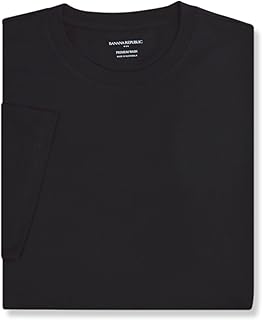
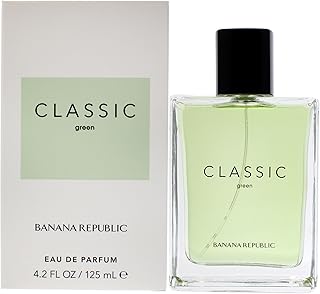
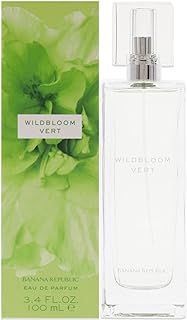
57 products from Banana Republic, sold on Amazon (US). Leif earns a commission on qualifying purchases.