

SUPPLIER
—
Stated attributes
Publicly stated commitments — not necessarily independently verified.
Independent ratingsBrands can’t pay to change themHow we rate
Part of Kimberly-Clark Corporation · Headquartered in United States
Kleenex, owned by Kimberly-Clark Corporation, uses FSC-certified forest fiber for its tissue products and has committed to becoming 100% Natural Forest Free beyond 2030, with plans to reduce plastic packaging by 50% and achieve carbon neutrality in certain operations by 2030. However, the company faced significant labor concerns, including a 2022 lawsuit from workers alleging that Kimberly-Clark knowingly profited from forced labor at Malaysian supplier Brightway Holdings, despite public reports and audits documenting labor violations. While the company maintains formal supplier codes of conduct and audit processes, critics have raised concerns about the adequacy of its enforcement and environmental standards, noting that some of its forestry certifications fall short of preventing forest degradation.
Three pillars, scored independently. Higher is better.
Kimberly-Clark reports sourcing fiber certified by the Forest Stewardship Council (FSC) for a portion of its tissue products, including Kleenex, as disclosed in its sustainability reports.
Kimberly-Clark discloses Scope 3 greenhouse gas emissions data in its sustainability reporting, providing transparency beyond direct operational emissions.
Kimberly-Clark is a signatory to the United Nations Global Compact, committing to its ten principles on human rights, labor, environment, and anti-corruption.
Reports and allegations from named sources, linked so you can read them yourself. Being listed here doesn’t mean a claim is proven.
In August 2022, former workers at Malaysian rubber glove maker Brightway Holdings filed a lawsuit against Kimberly-Clark and Ansell, accusing them of knowingly profiting from forced labor. The U.S. had banned Brightway products in December 2021 over suspected forced labor, finding 10 of 11 International Labour Organization indicators of forced labor. Workers alleged Kimberly-Clark was aware of violations through public reports and labor audits.
In March 2024, Connecticut residents filed a proposed class action lawsuit alleging that Kimberly-Clark's Kleenex manufacturing facility contaminated their properties and drinking water with PFAS 'forever chemicals.' The lawsuit alleges PFAS are released via smokestacks and through paper sludge dumped at a nearby landfill. Kimberly-Clark denied the claims, stating it does not use PFAS in U.S. consumer products.
Greenpeace, the Natural Resources Defense Council, and others conducted a Kleercut campaign against Kimberly-Clark for purchasing over 3.1 million metric tonnes of virgin fiber annually and allegedly sourcing from old growth forests. The campaign lasted from 2004 to 2009 and resulted in a joint agreement on boreal forest protection, though Kimberly-Clark disputed claims about old growth forest sourcing.
Kimberly-Clark publishes an annual sustainability report disclosing environmental metrics including greenhouse gas emissions, water usage, and waste. According to the company's sustainability reporting, Kimberly-Clark has set targets to reduce absolute Scope 1 and Scope 2 greenhouse gas emissions and has disclosed some Scope 3 emissions data. The company has stated commitments to sourcing fiber from responsibly managed forests and reports participation in FSC and other certification programs for fiber sourcing. Kimberly-Clark has also disclosed targets related to reducing plastic in packaging and increasing use of recycled or renewable materials, though independent verification of progress varies by claim.
Kimberly-Clark publishes a Supplier Code of Conduct and discloses information about its supply chain expectations regarding labor standards, including prohibitions on child labor and forced labor. The company files a Modern Slavery Act statement covering its UK operations. Kimberly-Clark reports workforce diversity metrics and has disclosed equal employment opportunity policies in its annual sustainability and proxy reports. The company operates manufacturing facilities across multiple countries; specific third-party labor audits of its full supply chain are not comprehensively disclosed in publicly available documents.
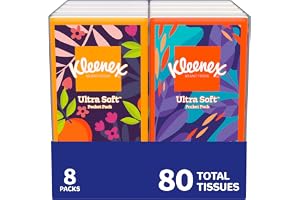
33 products from Kleenex, sold on Amazon (US). Leif earns a commission on qualifying purchases.