






SUPPLIER
—
Stated attributes
Publicly stated commitments — not necessarily independently verified.
Headquartered in United States
Nike operates at massive corporate scale with established labor standards, Fair Labor Association accreditation, and science-based climate targets validated by SBTi (65% emissions reduction in owned operations by 2030, net-zero by 2050). However, the brand faces significant credibility gaps: a 2023 greenwashing lawsuit alleged that only 239 of 2,452 products marketed as 'Sustainable' actually contain recycled materials, and recent union complaints document ongoing wage theft and worker terminations in supplier factories despite stated commitments. Environmental reporting is comparatively strong but labor transparency remains weak, with worker voice scores of 38/100 and persistent gaps between corporate policy and supply chain practice.
Three pillars, scored independently. Higher is better.
Nike's greenhouse gas reduction targets have been validated by the Science Based Targets initiative, covering both near-term and long-term emissions reduction commitments across Scopes 1, 2, and 3 as of 2022.
Nike publicly discloses its full list of Tier 1 contract manufacturers, including factory names, locations, and worker counts, as part of its annual Impact Report and on its corporate website.
Nike is a member of the RE100 initiative and has committed to sourcing 100% renewable electricity across its owned and operated facilities, reporting approximately 78% renewable electricity as of FY2023.
Nike is a signatory to the United Nations Global Compact, committing to align operations and strategies with principles covering human rights, labor, environment, and anti-corruption.
Reported issues Leif found in public sources. Their presence lowers the rating.
A 2020 report by the Australian Strategic Policy Institute identified Nike as one of several brands potentially linked to factories in China that used Uyghur workers transferred from Xinjiang under conditions described as consistent with forced labor programs. Nike subsequently stated it had investigated and found no evidence of Uyghur workers in its supply chain, but the allegations prompted ongoing scrutiny.
A 2017 report by the Worker Rights Consortium documented wage theft and illegal deductions affecting workers at Nike contract factories in Indonesia, with findings indicating that workers were underpaid relative to legal minimums. Nike acknowledged the findings and stated it was working with suppliers to remediate the violations.
In 2018, multiple current and former Nike employees filed complaints and a subsequent class-action lawsuit alleging a pattern of gender discrimination and a hostile work environment at Nike's corporate headquarters. Nike's then-president resigned and several senior executives departed following an internal survey that surfaced the complaints.
In 2023, a consumer advocacy group filed a complaint with the FTC alleging that Nike's sustainability marketing claims, including those related to its Move to Zero campaign, were misleading because they overstated the environmental benefits of recycled content in products. The FTC had not publicly confirmed a formal investigation as of the most recent available reporting.
Nike publishes an annual Impact Report disclosing greenhouse gas emissions across Scopes 1, 2, and 3, and has set targets validated by the Science Based Targets initiative (SBTi) for emissions reduction. According to the company's FY2023 Impact Report, Nike reported using approximately 78% renewable electricity across its owned and operated facilities. The company has publicly committed to reducing carbon emissions across its value chain and has disclosed initiatives around waste reduction, including its Move to Zero program, which targets zero carbon and zero waste. Nike has also reported on water usage in its supply chain and has published data on the use of recycled materials in products such as Flyknit and Space Hippie lines.
Nike manufactures products through a global network of contract factories concentrated primarily in Vietnam, Indonesia, and China, with additional suppliers in other Asian and Latin American countries. The company publishes a full list of its Tier 1 and some Tier 2 contract manufacturers and conducts factory audits through its own audit program as well as third-party assessments. Nike has faced documented labor rights controversies in its supply chain dating back to the 1990s, and labor conditions in contract factories remain an area of ongoing scrutiny by NGOs and journalists. The company publishes annual diversity and inclusion data for its corporate workforce and has disclosed gender pay equity analyses, though independent verification of supply chain wage levels is limited.
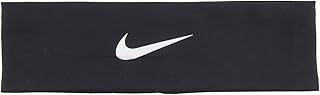
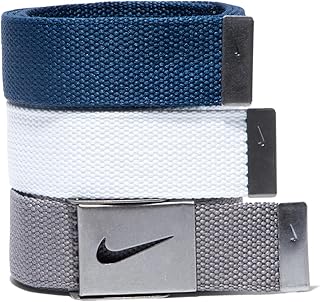
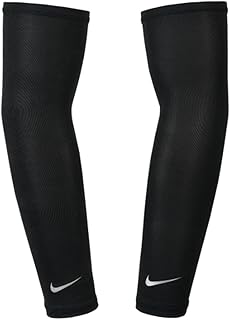
60 products from Nike, sold on Amazon (US). Leif earns a commission on qualifying purchases.