














SUPPLIER
—
Stated attributes
Publicly stated commitments — not necessarily independently verified.
Headquartered in Japan
Panasonic Holdings is a large Japanese electronics conglomerate with documented commitments to achieve net-zero CO2 emissions at all manufacturing sites by 2030 as part of its 'Panasonic GREEN IMPACT' initiative, with 45 factories already achieving zero emissions status. The company has published a comprehensive Human Rights and Labour Policy incorporating ILO standards and conducts human rights due diligence across operations, including specific programs to prevent forced labor of foreign migrant workers in Malaysia and Thailand. However, the company faces credibility gaps: it was charged by the SEC in 2018 for FCPA violations and accounting fraud involving its avionics subsidiary, and faced labor-rights allegations in Mexico in 2023 regarding union intimidation and wage violations, indicating that published policies have not consistently translated into practice across all operations.
Three pillars, scored independently. Higher is better.
Panasonic is a member of the RE100 initiative, committing to sourcing 100% renewable electricity across its global operations, with a target year disclosed in company sustainability reporting.
Panasonic is a signatory to the United Nations Global Compact, committing to align its operations and strategies with the Compact's ten principles on human rights, labor, environment, and anti-corruption.
Multiple Panasonic manufacturing facilities globally hold ISO 14001 certification for environmental management systems, as disclosed in the company's sustainability reports.
Panasonic publicly discloses Scope 3 greenhouse gas emissions data as part of its annual sustainability reporting and CDP submissions, covering upstream and downstream value chain emissions.
Reported issues Leif found in public sources. Their presence lowers the rating.
Panasonic Corporation was among several electronics manufacturers implicated in a global price-fixing cartel for electrolytic capacitors. The company reached settlements with plaintiffs in U.S. class action litigation related to the alleged cartel conduct, which was investigated by competition authorities in multiple jurisdictions during the 2010s.
Panasonic's automotive components division was investigated as part of a broader U.S. Department of Justice probe into price-fixing among automotive parts suppliers. Panasonic agreed to plead guilty and pay a fine of approximately $45.8 million in 2013 related to charges of fixing prices of automotive information and entertainment systems.
The U.S. Securities and Exchange Commission charged Panasonic Corporation in 2018 with violating the Foreign Corrupt Practices Act (FCPA) related to improper payments made through a subsidiary, Panasonic Avionics Corporation, to consultants in exchange for business. Panasonic agreed to pay approximately $280 million to resolve the charges.
Panasonic disclosed in 2022 that its Canadian operations had suffered a cyberattack and data breach in which sensitive personal information of employees and customers was accessed by unauthorized parties. The breach was reported to have occurred over several months in 2022.
Panasonic has published annual sustainability reports disclosing greenhouse gas emissions across Scopes 1, 2, and 3, and has set targets under its 'Panasonic GREEN IMPACT' initiative, which aims to reduce CO2 emissions by 300 million tonnes cumulatively by 2050, according to the company's sustainability disclosures. The company has committed to achieving carbon neutrality in its own operations by 2030 and across its entire value chain by 2050. Panasonic has disclosed participation in the RE100 initiative, committing to sourcing 100% renewable electricity. The company holds ISO 14001 environmental management certifications across a number of its manufacturing facilities globally.
Panasonic publishes a supplier code of conduct and conducts supplier audits as part of its supply chain management program, according to company sustainability reports. The company discloses diversity and inclusion data, including gender representation metrics, in its annual integrated reports. Panasonic has manufacturing and supply chain operations across Asia, including Japan, China, and Southeast Asia. The company has published a Modern Slavery Act statement in compliance with UK requirements and discloses policies prohibiting child labor and forced labor in its supply chain.
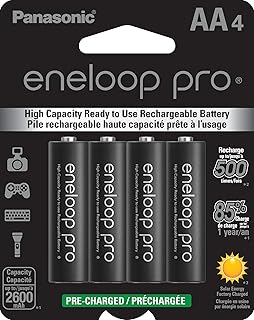
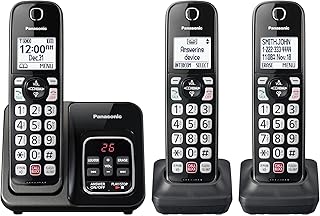
45 products from Panasonic Holdings Corp., sold on Amazon (US). Leif earns a commission on qualifying purchases.