





SUPPLIER
—
Stated attributes
Publicly stated commitments — not necessarily independently verified.
Headquartered in United States
Patagonia, Inc. is an American outdoor apparel and gear company founded in 1973 and headquartered in Ventura, California. The company designs and sells clothing, equipment, and accessories for outdoor activities including climbing, surfing, skiing, and trail running, distributing through its own retail stores, website, and wholesale partners globally. In 2022, founder Yvon Chouinard transferred ownership of the company to a purpose trust and nonprofit organization structured to direct profits toward environmental causes.
Three pillars, scored independently. Higher is better.
Patagonia has been a member of 1% for the Planet since its founding in 1986, committing 1% of annual sales — not profits — to environmental nonprofit organizations, and has donated over $140 million cumulatively as of 2022.
Patagonia is an accredited member of the Fair Labor Association, which requires adherence to a code of conduct, independent factory audits, and public disclosure of audit findings across its supply chain.
Patagonia holds bluesign system partner status, indicating that a portion of its fabric supply is sourced from mills that meet bluesign standards for chemical safety, resource efficiency, and worker safety in textile production.
Patagonia publicly discloses its full list of tier 1 and tier 2 supplier factories, including facility names, locations, and product types, as part of its supply chain transparency commitments.
Reported issues Leif found in public sources. Their presence lowers the rating.
In 2022, a class action lawsuit was filed against Patagonia alleging that its marketing of products as made from recycled materials was misleading because the items still contained virgin synthetic fibers and shed microplastics. The case raised questions about the accuracy of environmental marketing claims.
Patagonia's own commissioned research, published in partnership with researchers around 2016, found that its fleece jackets shed significant quantities of microplastic fibers during washing, contributing to ocean pollution. The company acknowledged the findings publicly but continued to sell synthetic fleece products.
Fair Labor Association audit reports have periodically documented issues in Patagonia's supplier factories, including findings related to excessive working hours and wage discrepancies at certain facilities, as disclosed in FLA audit summaries available on the FLA website.
Patagonia publishes annual environmental and social responsibility reports disclosing information on its supply chain, materials sourcing, and environmental programs. The company states that it uses recycled materials, organic cotton, and bluesign-approved fabrics across a significant portion of its product line, and it holds bluesign system partner status. Patagonia has been a founding member of 1% for the Planet since 1986, committing 1% of annual sales to environmental nonprofits. The company has publicly stated a goal to be carbon neutral across its entire business by 2025, and its 2022 environmental report disclosed Scope 1, 2, and 3 emissions data, though the majority of its emissions footprint is concentrated in its supply chain (Scope 3).
Patagonia publishes a supplier list and conducts social and environmental audits of its supply chain through the Fair Labor Association (FLA), of which it is an accredited member. The company's supply chain spans multiple countries including Vietnam, Sri Lanka, Bangladesh, and others, as disclosed in its supplier factory list. Patagonia's domestic operations include on-site childcare at its Ventura headquarters, a benefit it has publicized since the 1980s. The company reports on diversity, equity, and inclusion metrics in its annual reports, including workforce demographic data.
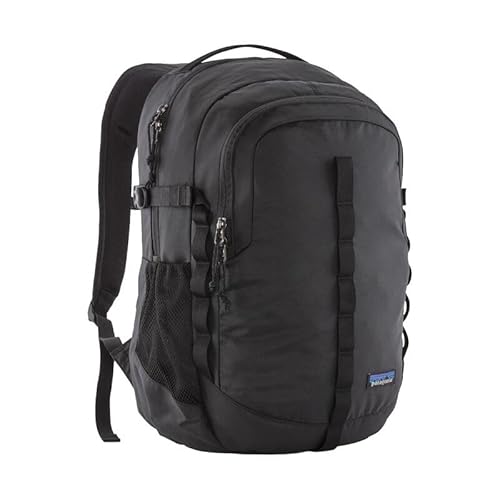
35 products from Patagonia, sold on Amazon (US). Leif earns a commission on qualifying purchases.