







SUPPLIER
—
Stated attributes
Publicly stated commitments — not necessarily independently verified.
Headquartered in Germany
PUMA is a large multinational athletic and apparel company with established sustainability commitments under its Vision 2030 strategy. The brand has set specific targets to reduce emissions by 90% in its operations and 33% in its supply chain by 2030, and has achieved 61.8% recycled polyester usage as of 2023. However, the company faces ongoing criticism regarding wage standards—while it participates in the Fair Labor Association, independent assessments note that wage compliance remains inconsistent across its supply chain, and the brand has been linked to forced labor allegations in Xinjiang and poor working conditions in facilities across China and Cambodia.
Three pillars, scored independently. Higher is better.
PUMA has had its greenhouse gas emissions reduction targets validated by the Science Based Targets initiative, committing to emissions reductions in line with limiting global warming to 1.5°C across Scopes 1, 2, and 3.
PUMA is a signatory to the United Nations Global Compact and submits annual Communication on Progress reports covering human rights, labor standards, environmental responsibility, and anti-corruption principles.
PUMA publicly discloses its full list of Tier 1 manufacturing suppliers, including factory names and locations, as part of its supply chain transparency commitments, updated periodically on its corporate website.
PUMA discloses Scope 3 greenhouse gas emissions in its annual sustainability reporting and through CDP, covering categories including purchased goods and services, upstream transportation, and use of sold products.
Reported issues Leif found in public sources. Their presence lowers the rating.
In 2022, the German consumer protection organization Deutsche Umwelthilfe (DUH) filed a complaint against PUMA alleging that the company's marketing claims around sustainability, including use of terms like 'sustainable' for certain product lines, were misleading to consumers without adequate substantiation.
NGO investigations and media reports in the 2010s documented concerns about working conditions, wages, and overtime hours at factories supplying major sportswear brands including PUMA in countries such as Bangladesh and Cambodia, raising questions about the effectiveness of audit programs.
PUMA's parent company Kering S.A. faced a significant tax dispute with Italian authorities, resulting in a settlement of approximately €1.25 billion in 2019, related to the tax treatment of profits routed through Swiss subsidiaries, which affected the broader Kering group including PUMA.
PUMA publishes an annual sustainability report disclosing greenhouse gas emissions across Scopes 1, 2, and 3, and has submitted targets to the Science Based Targets initiative (SBTi). The company has reported progress toward increasing the share of renewable electricity in its own operations and has committed to reducing the use of virgin plastics in packaging. PUMA's 'Forever Better' sustainability program includes goals around sustainable materials, including increased use of recycled polyester and organic cotton, and the company participates in the ZDHC Roadmap to Zero program targeting hazardous chemical elimination in its supply chain. PUMA has also published environmental data through CDP disclosures.
PUMA publishes a list of its Tier 1 and some Tier 2 suppliers and conducts social audits of its supply chain, primarily concentrated in Asia (including China, Vietnam, Bangladesh, and Cambodia). The company has a Supplier Code of Conduct that addresses wages, working hours, freedom of association, and prohibition of child and forced labor. PUMA is a signatory to the UN Global Compact and reports on labor practices in its annual sustainability report. The company has also disclosed gender pay gap data and diversity metrics for its corporate workforce in recent sustainability reports.
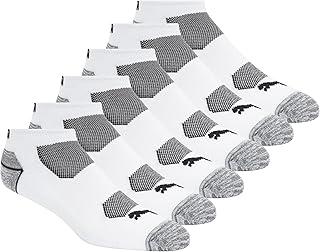
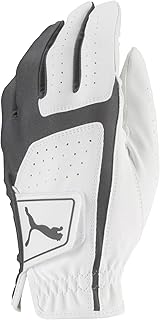
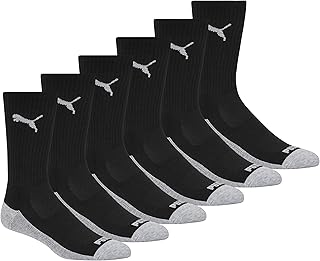
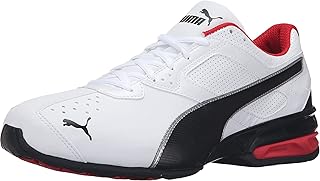
60 products from PUMA SE, sold on Amazon (US). Leif earns a commission on qualifying purchases.