






SUPPLIER
—
Stated attributes
Publicly stated commitments — not necessarily independently verified.
Independent ratingsBrands can’t pay to change themHow we rate
Headquartered in Japan
Yamaha Corp. is a large diversified corporation with published environmental and labor commitments, particularly through its supplier code of conduct and human rights policy prohibiting child and forced labor. The company has committed to net-zero emissions by 2050 with specific interim targets to reduce Scope 1, 2, and 3 emissions, and appears on the CDP Climate Change A List. However, product-level material transparency is limited, and the company lacks major third-party sustainability certifications such as B Corp or Fair Trade.
Three pillars, scored independently. Higher is better.
Multiple Yamaha manufacturing sites have obtained ISO 14001 certification for environmental management systems, as disclosed in the company's sustainability reports.
Yamaha Corporation is a signatory to the United Nations Global Compact, committing to its ten principles on human rights, labor, environment, and anti-corruption.
Yamaha publicly discloses Scope 1 and Scope 2 greenhouse gas emissions data in its annual sustainability report, providing transparency on direct and indirect energy-related emissions.
Yamaha has published a supplier code of conduct that outlines expectations for labor standards, environmental practices, and ethical conduct across its supply chain.
Reports and allegations from named sources, linked so you can read them yourself. Being listed here doesn’t mean a claim is proven.
Yamaha Motor Corporation USA and Yamaha Motor Company Ltd. agreed to a $2.2 million settlement in 2007 for illegal importation and sale of uncertified off-highway vehicles including the 'Rhino' model that failed to meet anti-smog requirements. Additionally, in 2010-2013, the company was fined $36,000 for mislabeling 96 all-terrain vehicles and $44,625 for selling non-compliant portable generators in California.
Between April 2024 and March 2025, Yamaha received three reports through the Japan Center for Engagement and Remedy on Business and Human Rights regarding forced labor of migrant workers at suppliers in Malaysia, including passport retention, insufficient dormitory facilities, and payment of recruitment fees by workers.
According to Yamaha's published sustainability reports, the company has set targets to reduce CO2 emissions and has reported on Scope 1 and Scope 2 emissions. Yamaha has disclosed energy consumption data and has initiatives aimed at reducing waste and improving resource efficiency at its manufacturing facilities. The company has obtained ISO 14001 environmental management system certification at a number of its production sites. Yamaha publishes an annual sustainability report that includes environmental performance data, though the depth of Scope 3 supply chain emissions disclosure is limited compared to some industry peers.
Yamaha publishes a supplier code of conduct and has disclosed labor-related policies covering prohibition of child labor and forced labor in its supply chain, according to its sustainability reports. The company operates manufacturing facilities primarily in Japan, China, Indonesia, and other Asian countries. Yamaha reports on employee safety metrics and has disclosed some diversity-related data in its annual sustainability documentation. Detailed third-party auditing results for its supply chain are not extensively published in publicly available materials.
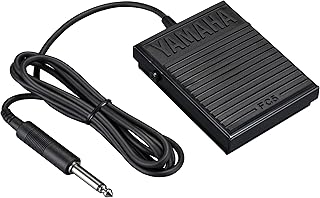
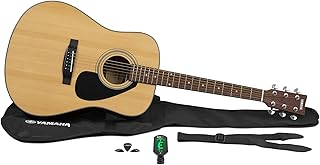
60 products from Yamaha Corp., sold on Amazon (US). Leif earns a commission on qualifying purchases.