









SUPPLIER
—
Stated attributes
Publicly stated commitments — not necessarily independently verified.
Independent ratingsBrands can’t pay to change themHow we rate
Part of Clorox
Burt's Bees, the personal care brand now owned by Clorox since 2007, has made substantial environmental and labor commitments. The brand has achieved a 13% reduction in virgin packaging materials and aims for an 83% recyclable or compostable packaging rate, while publishing a supplier code of conduct that prohibits child labor and forced labor, though it does not guarantee living wages. The brand holds verifiable cruelty-free certifications from Leaping Bunny and PETA, and has committed to impacting 50,000 livelihoods through supply chain investment projects by 2025.
Three pillars, scored independently. Higher is better.
Reports and allegations from named sources, linked so you can read them yourself. Being listed here doesn’t mean a claim is proven.
Class-action lawsuits have been filed alleging that Burt's Bees ChapSticks contain concerning levels of PFAS ('forever chemicals') despite marketing claims of being '100% natural' and ethically sourced, raising concerns about false advertising.
A 2021 lawsuit alleged that Burt's Bees misrepresents the composition of its dog shampoos by calling them '99.7% natural' when they are primarily made of synthetic materials.
Since Clorox's 2007 acquisition of Burt's Bees, critics have raised concerns that the company began prioritizing profit over sustainability, with questions about ingredient sourcing (cheaper non-organic fillers replacing higher-quality sustainably-sourced ingredients) and increased production-related environmental impact.
Burt's Bees acknowledged failure to meet its water management strategy goals in its 2020 Sustainability Report, though the brand later demonstrated transparency by acknowledging the failure and adjusting its approach.
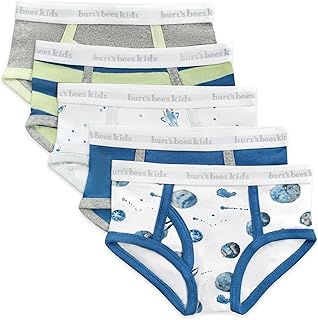
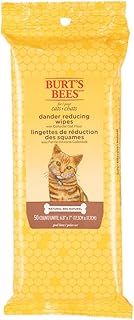
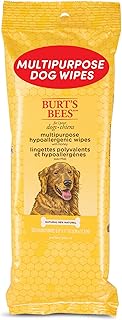
25 products from Burt's Bees, sold on Amazon (US). Leif earns a commission on qualifying purchases.