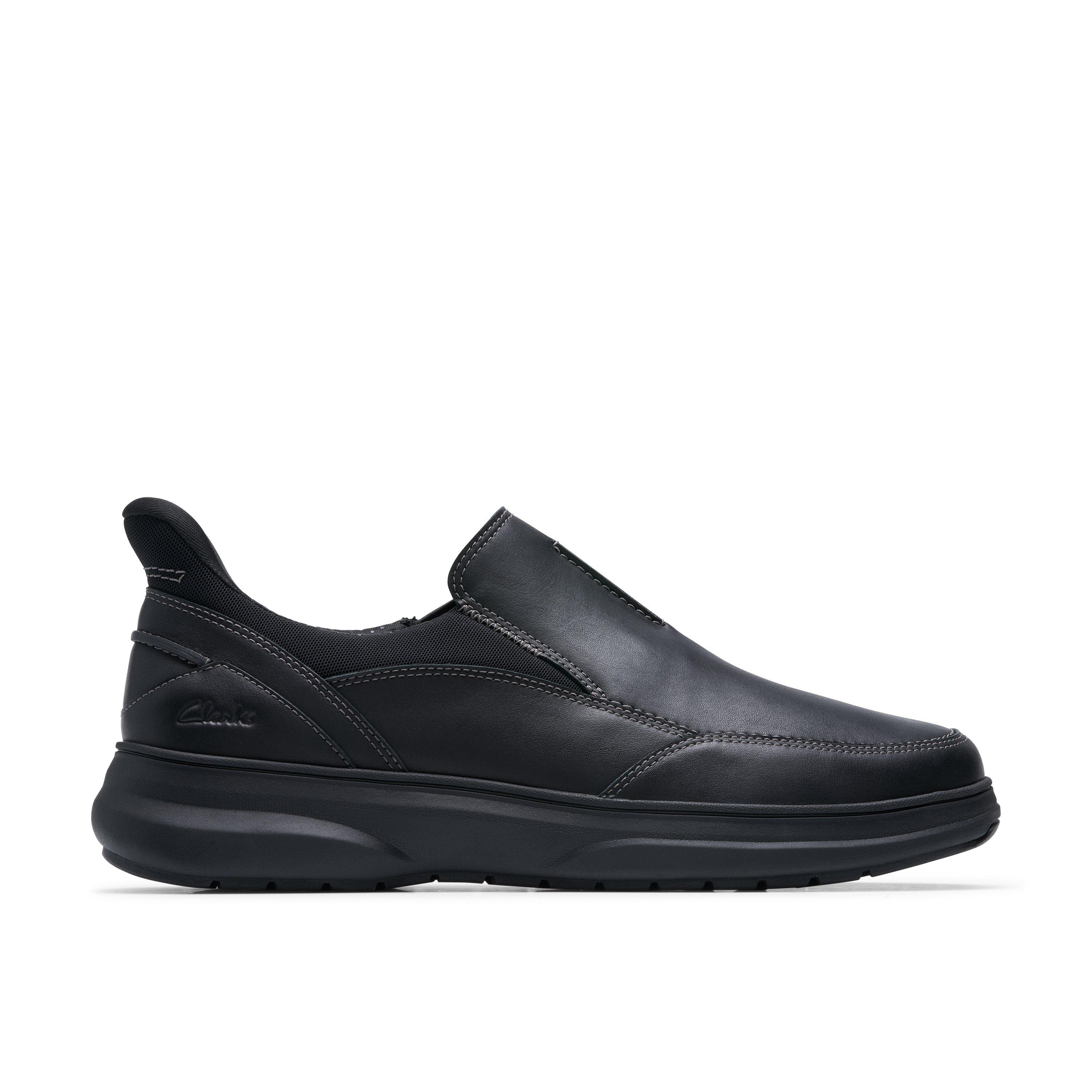
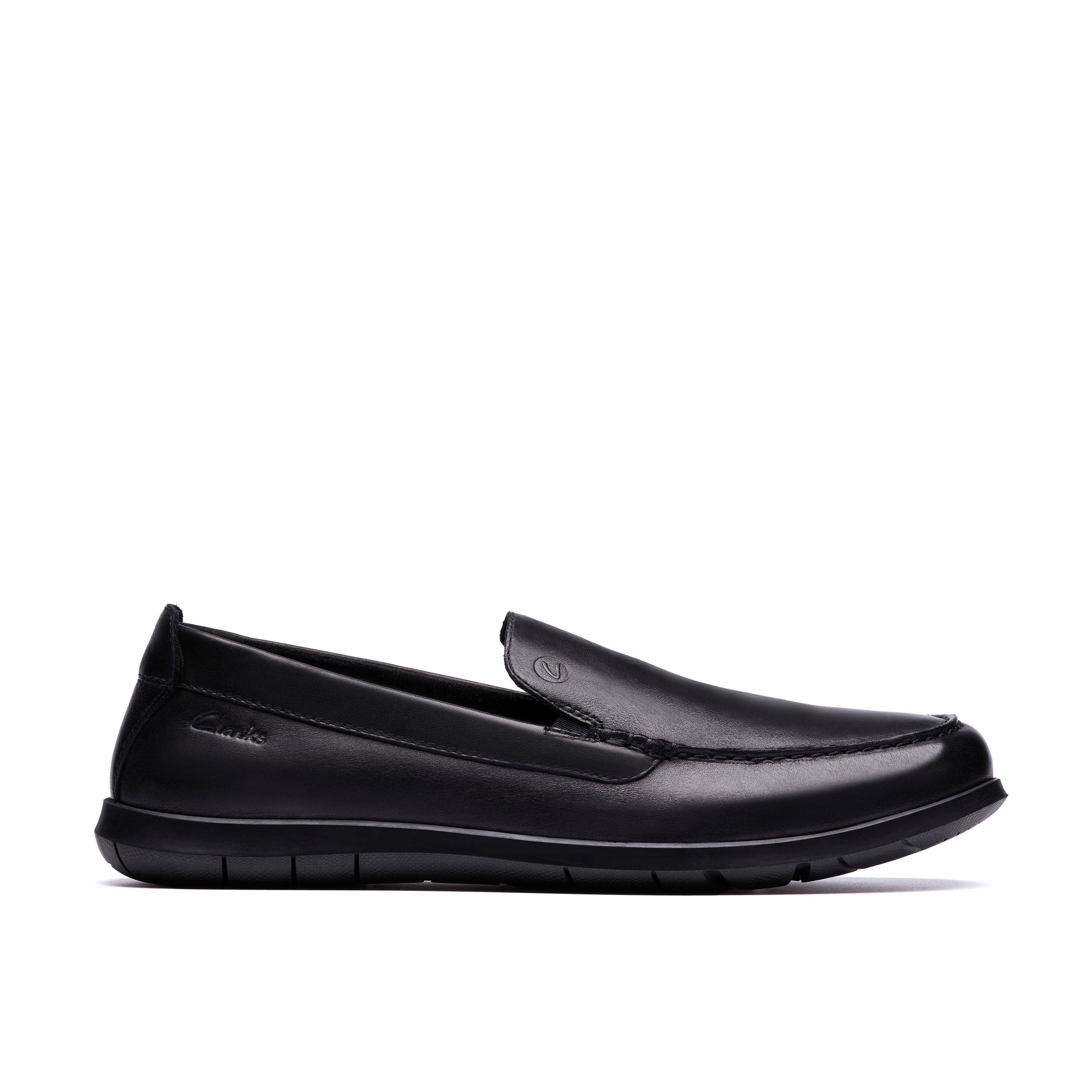
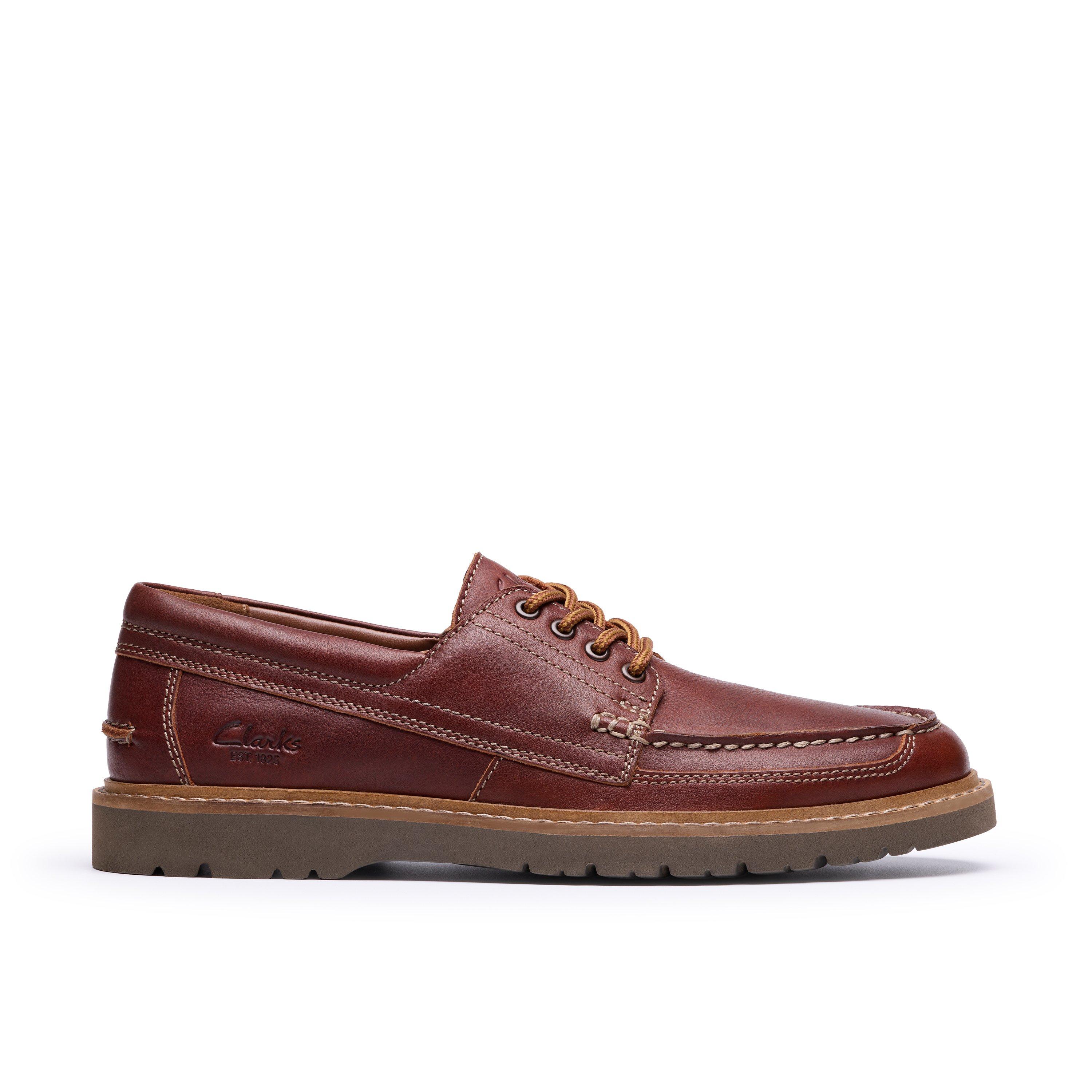
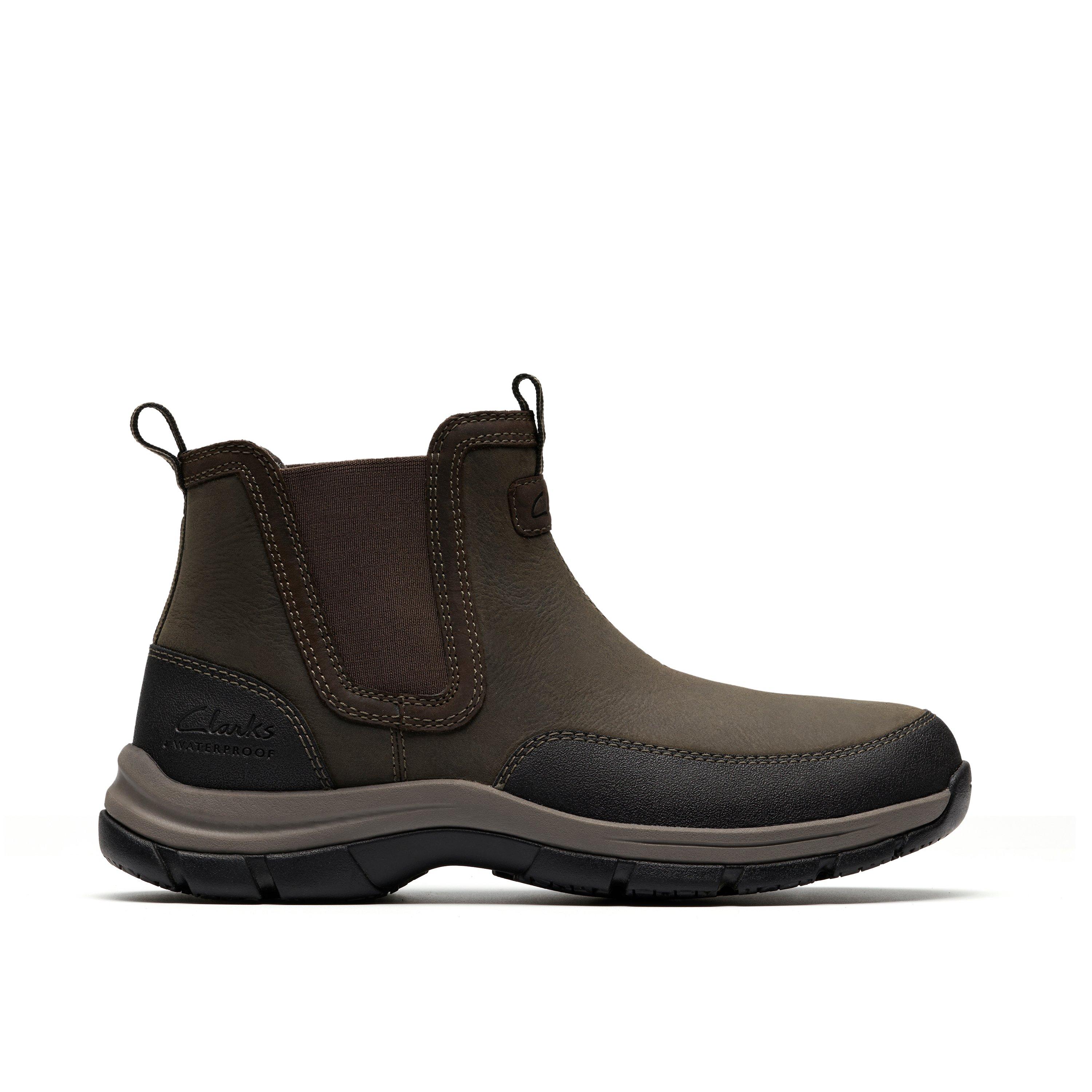
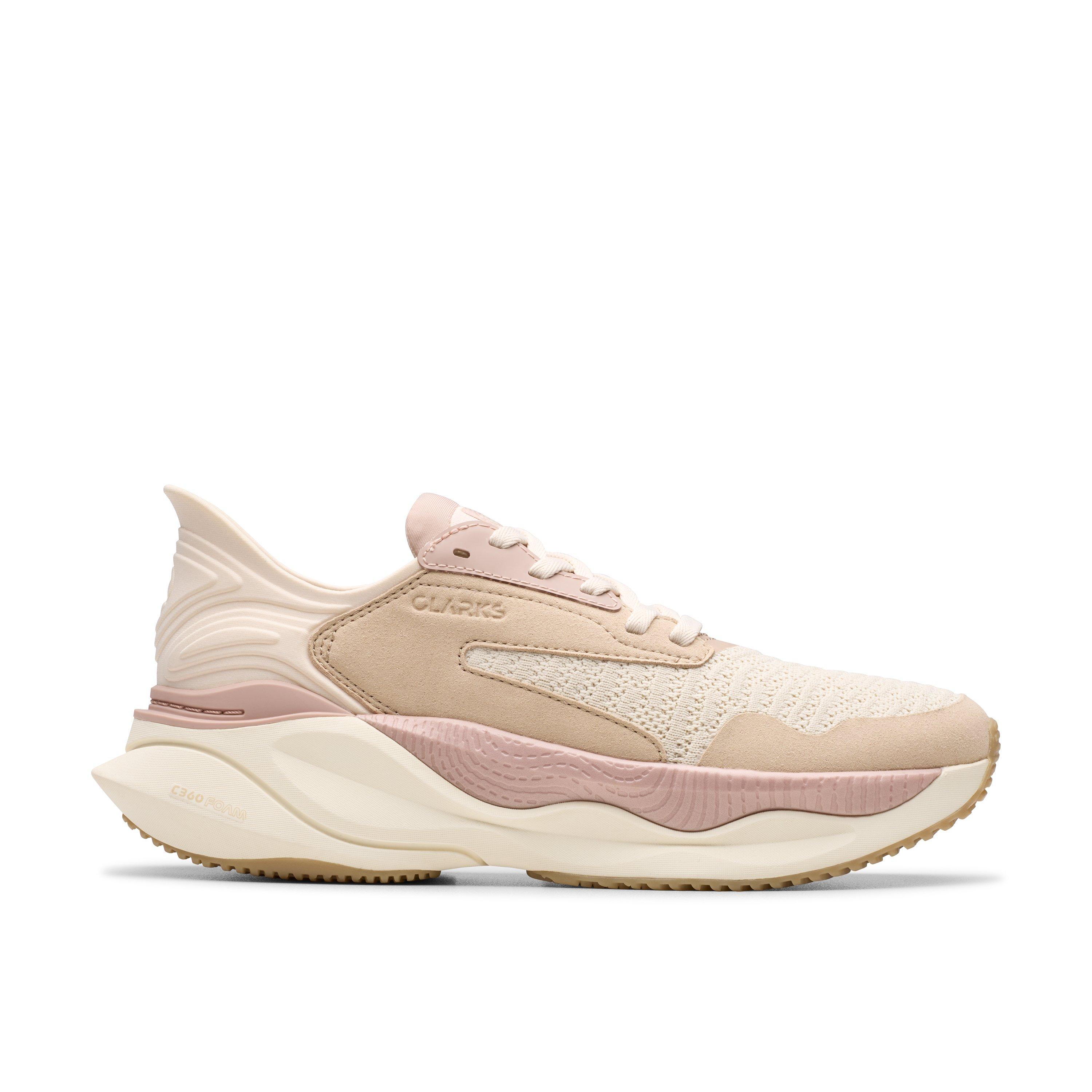
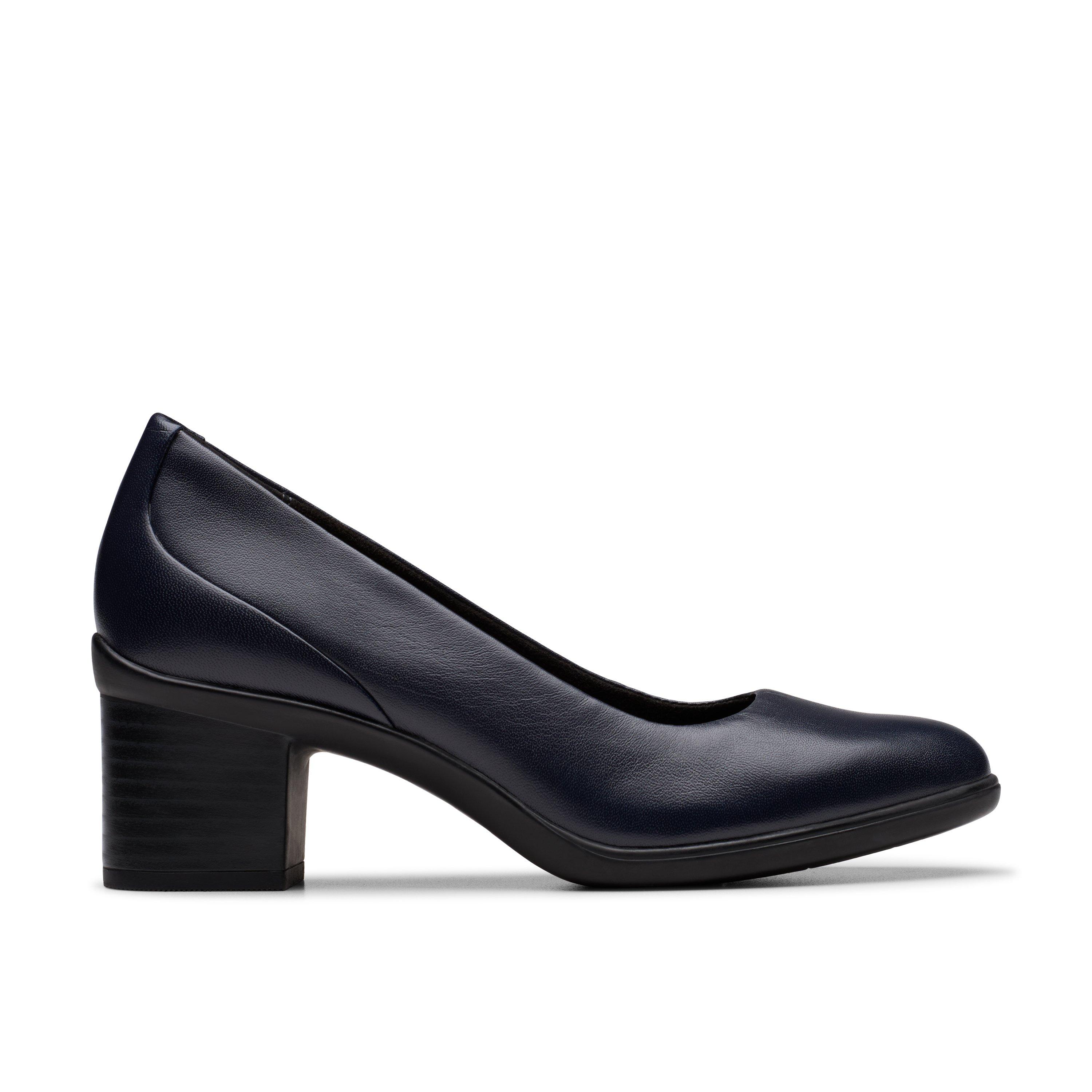
Clarks is a heritage footwear brand with a publicly stated sustainability framework covering materials, labor, and environmental impact, primarily anchored by its use of Leather Working Group (LWG) certified leather and a published Supplier Code of Conduct. The brand has specific but limited disclosures, with third-party verification concentrated in leather sourcing rather than broader supply chain or emissions claims. Transparency on audits, emissions data, and forward-looking quantitative targets remains partial, placing Clarks in the mid-tier of sustainability credibility for its category.
Reported concerns and allegations
Reports and allegations from named sources, linked so you can read them yourself. Being listed here doesn’t mean a claim is proven.
Clarks mass redundancies and restructuring amid financial difficulties
In 2020, Clarks underwent a major restructuring after financial difficulties exacerbated by the COVID-19 pandemic, resulting in significant job losses in the UK and a majority stake sale to LionRock Capital. The restructuring raised concerns among workers and unions about job security and labor commitments.
Concerns over leather supply chain environmental and labor conditions
As a major leather footwear brand sourcing from South Asia, Clarks has been subject to broader industry scrutiny regarding tannery conditions in India and Bangladesh, though no brand-specific major investigative report with confirmed violations was identified in publicly available credible sources.
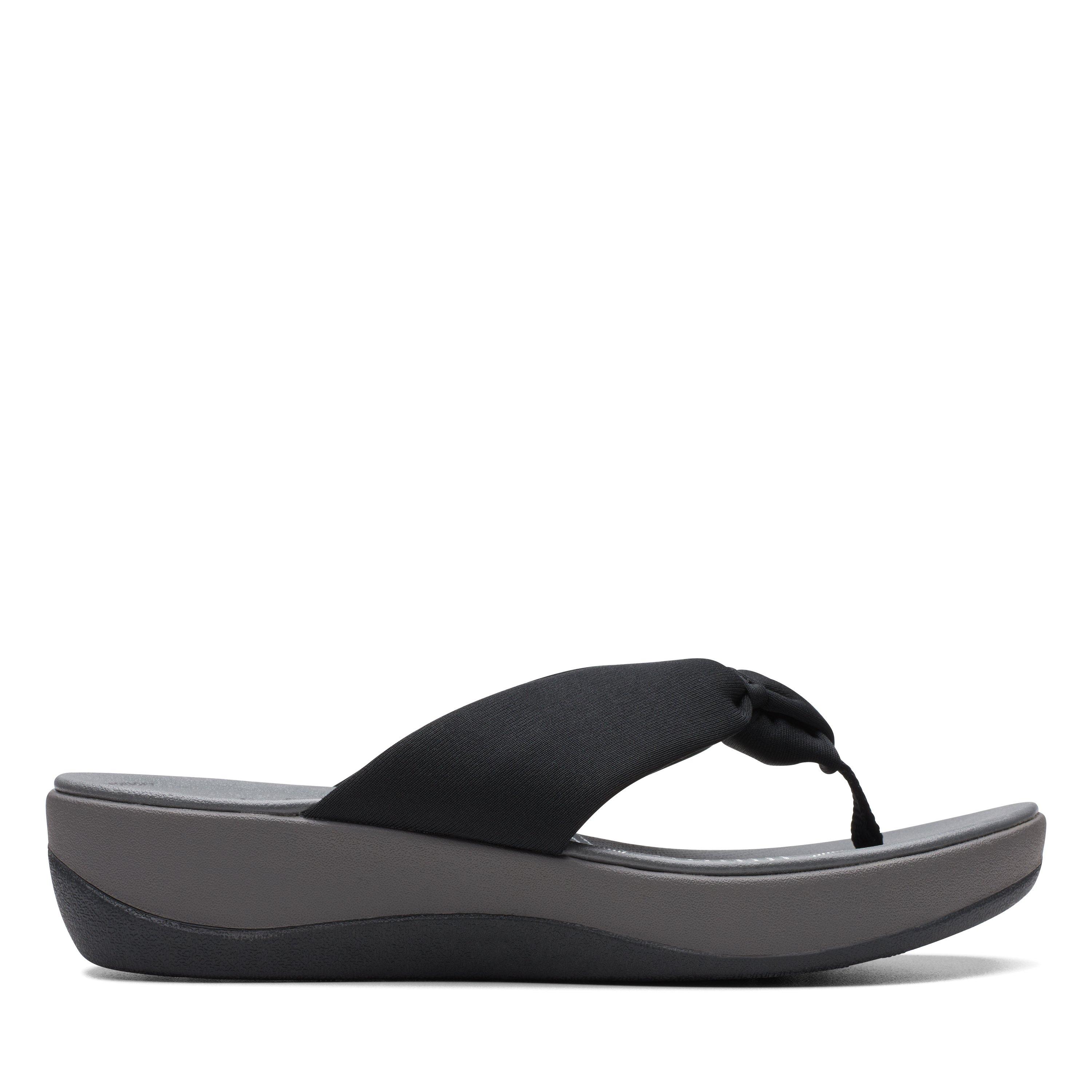
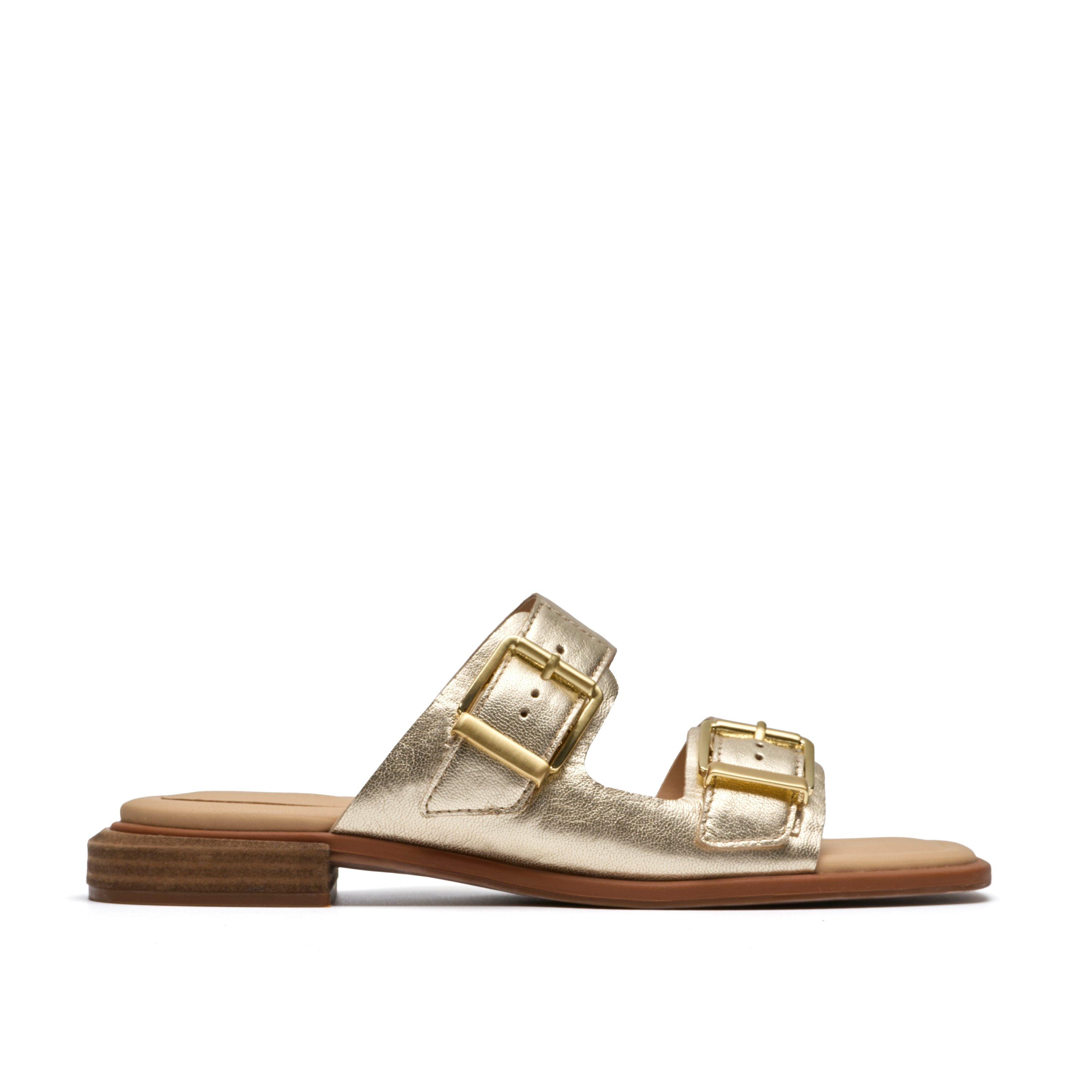
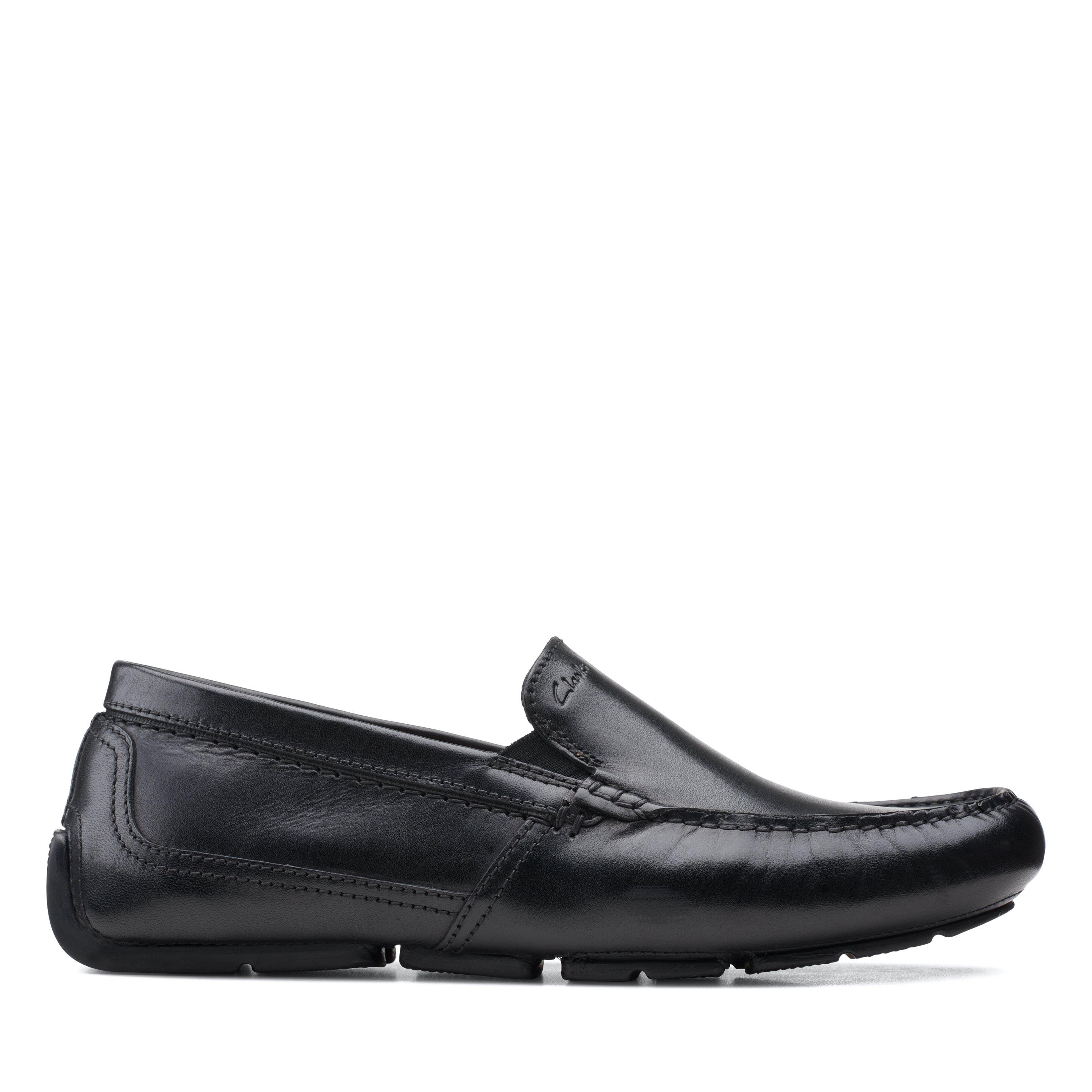
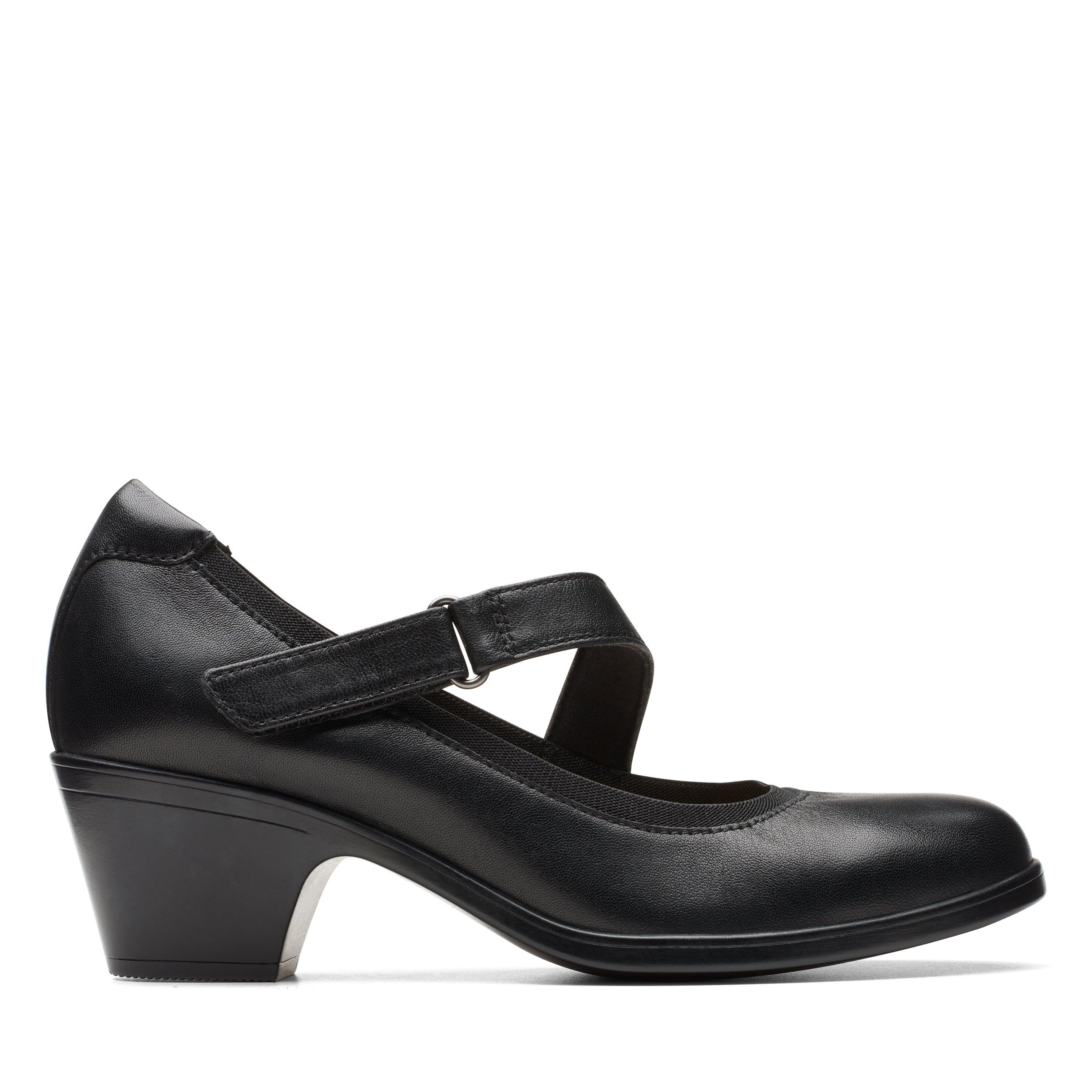
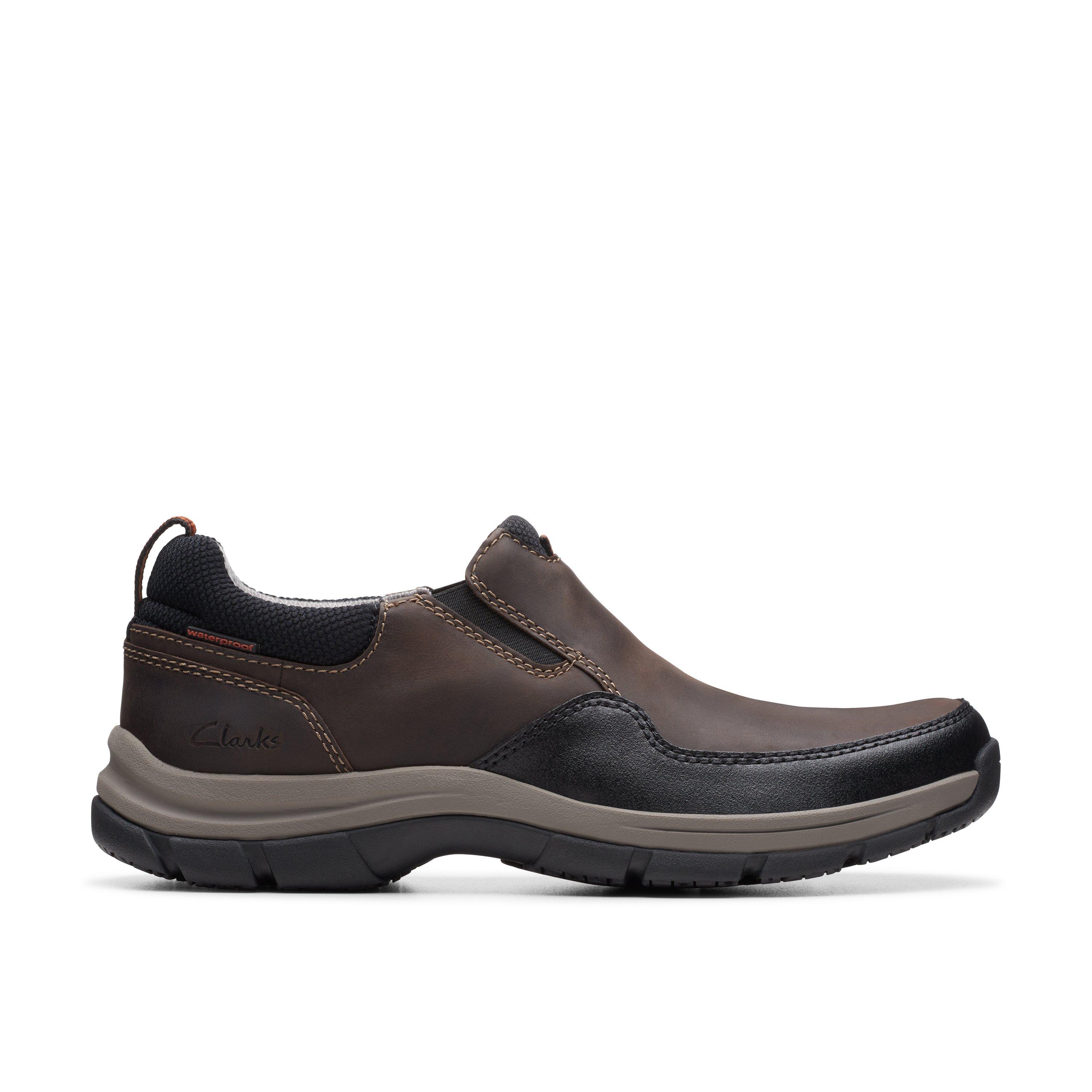
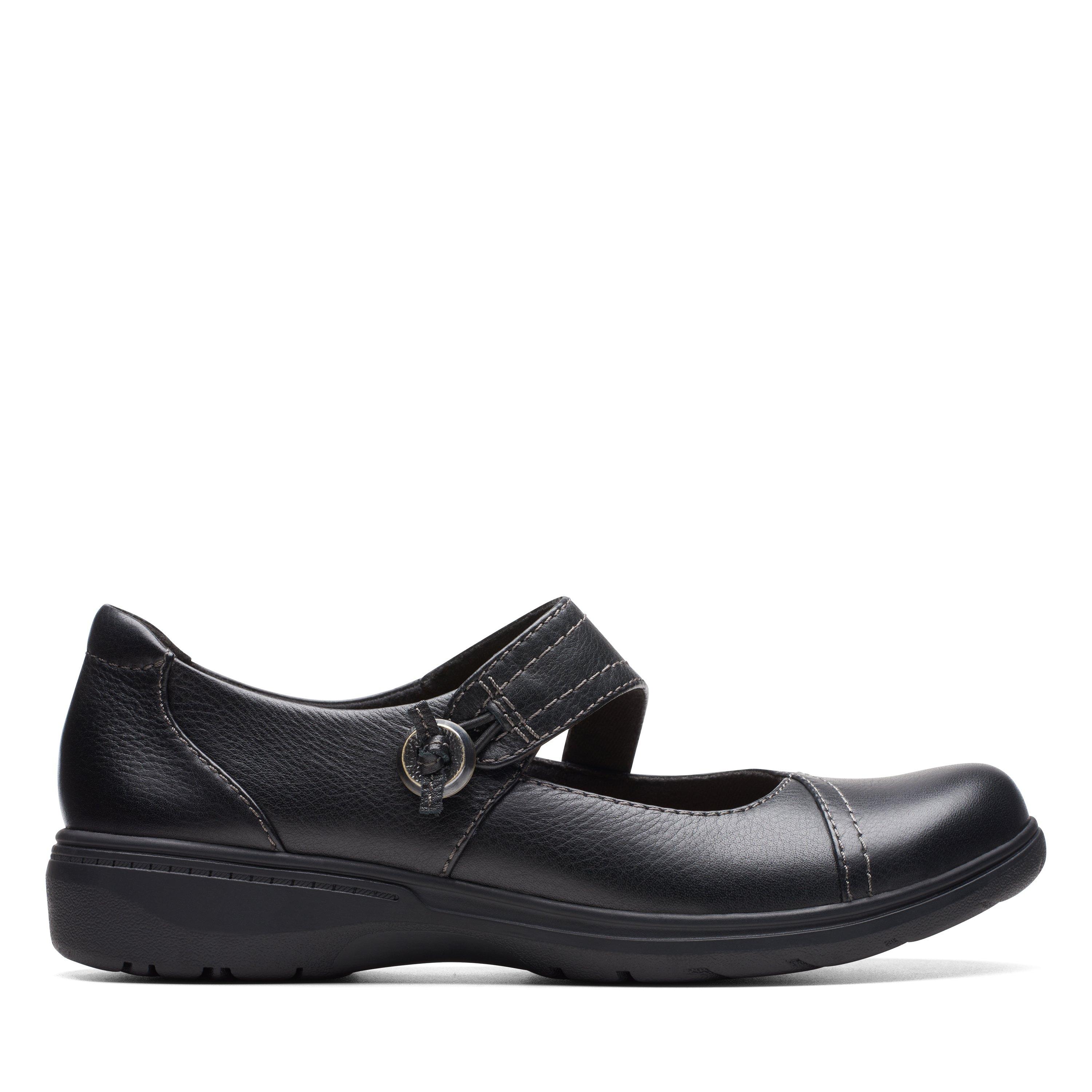
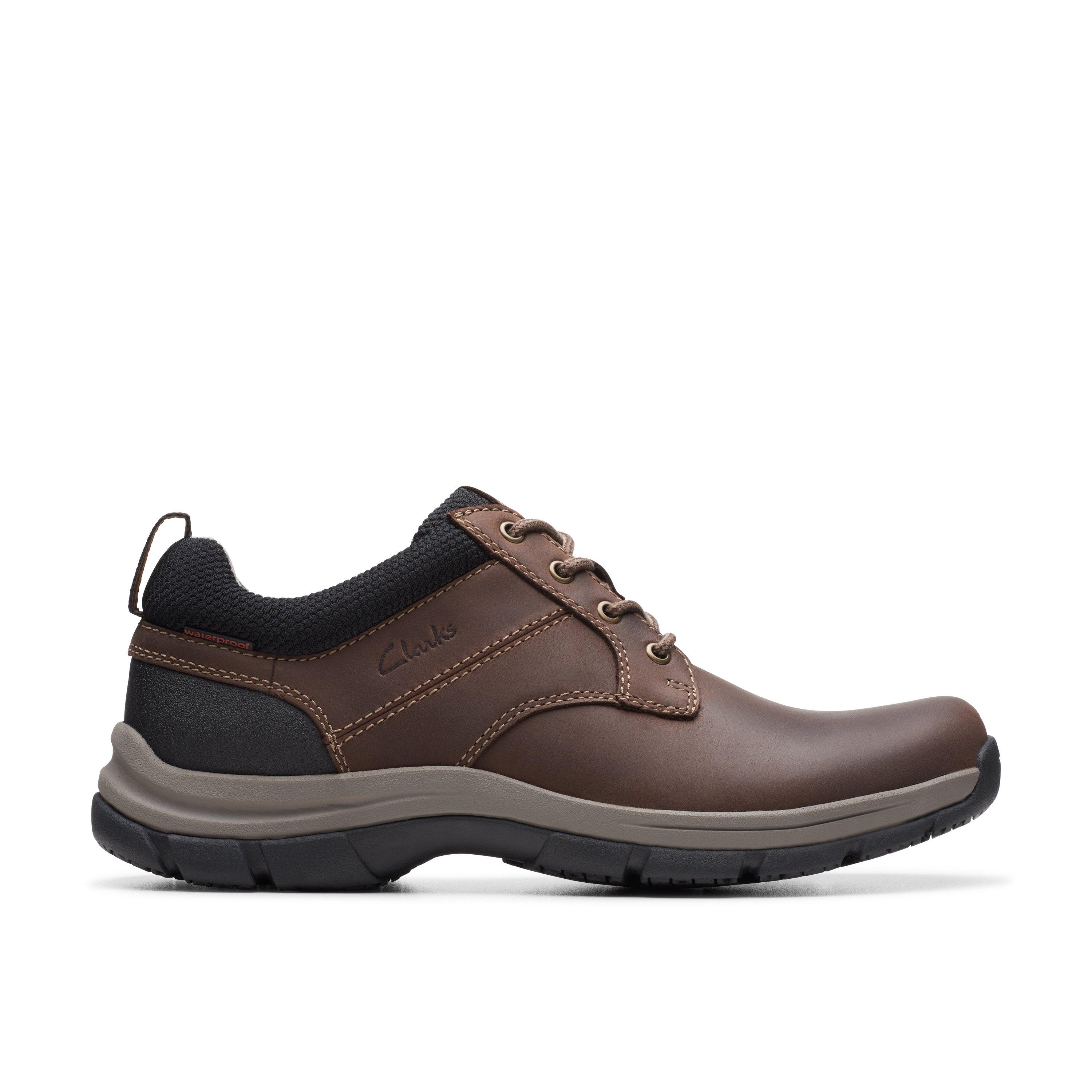
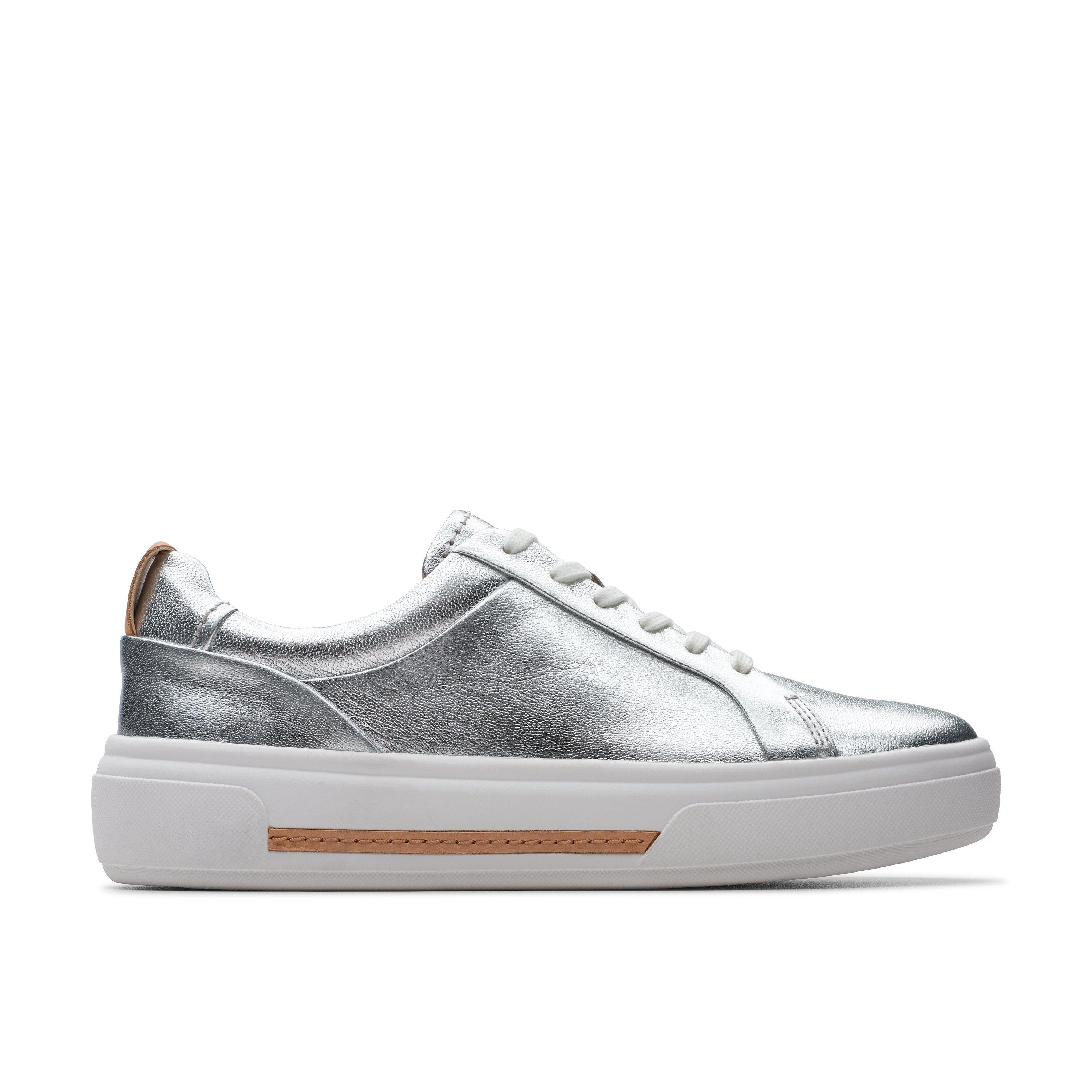
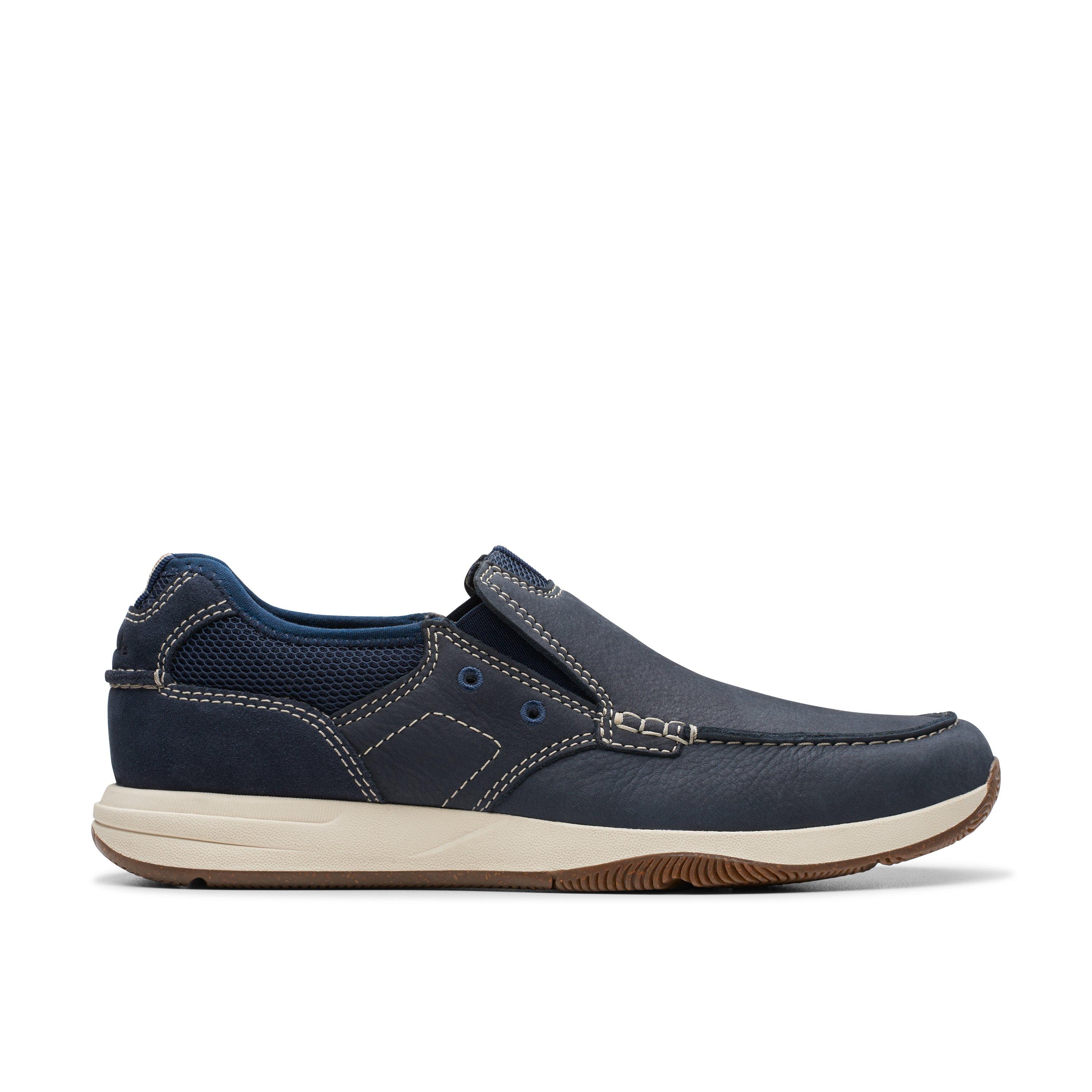
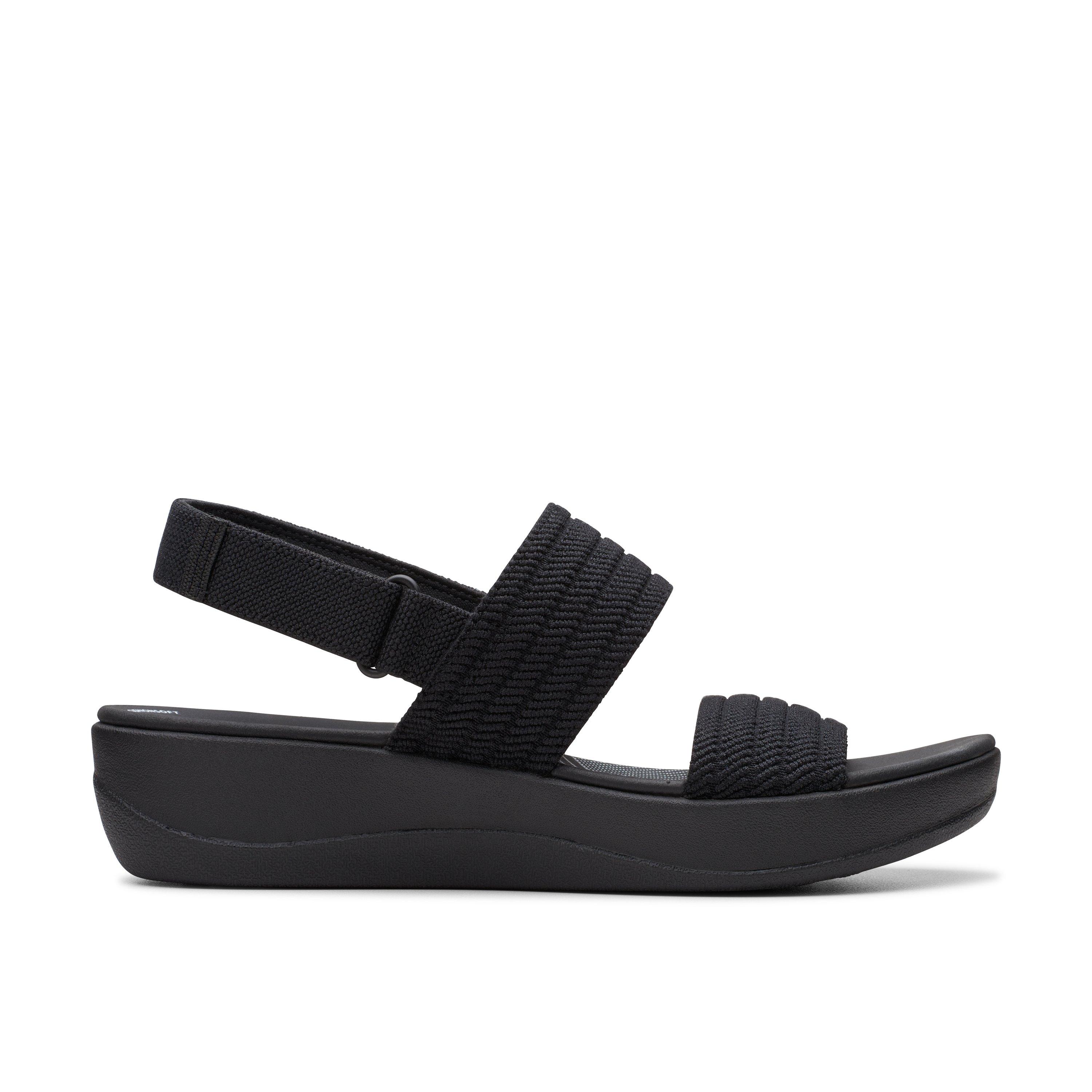
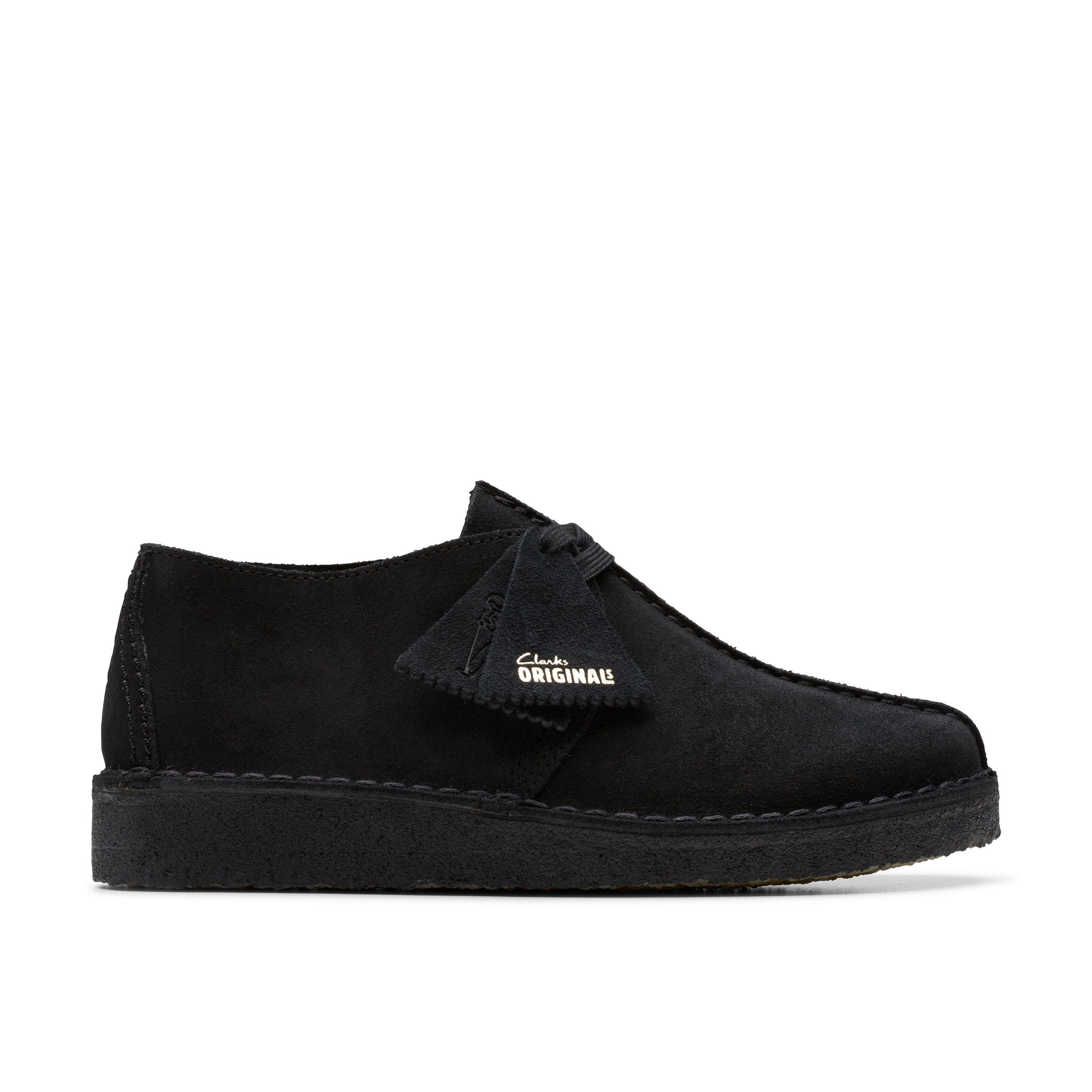
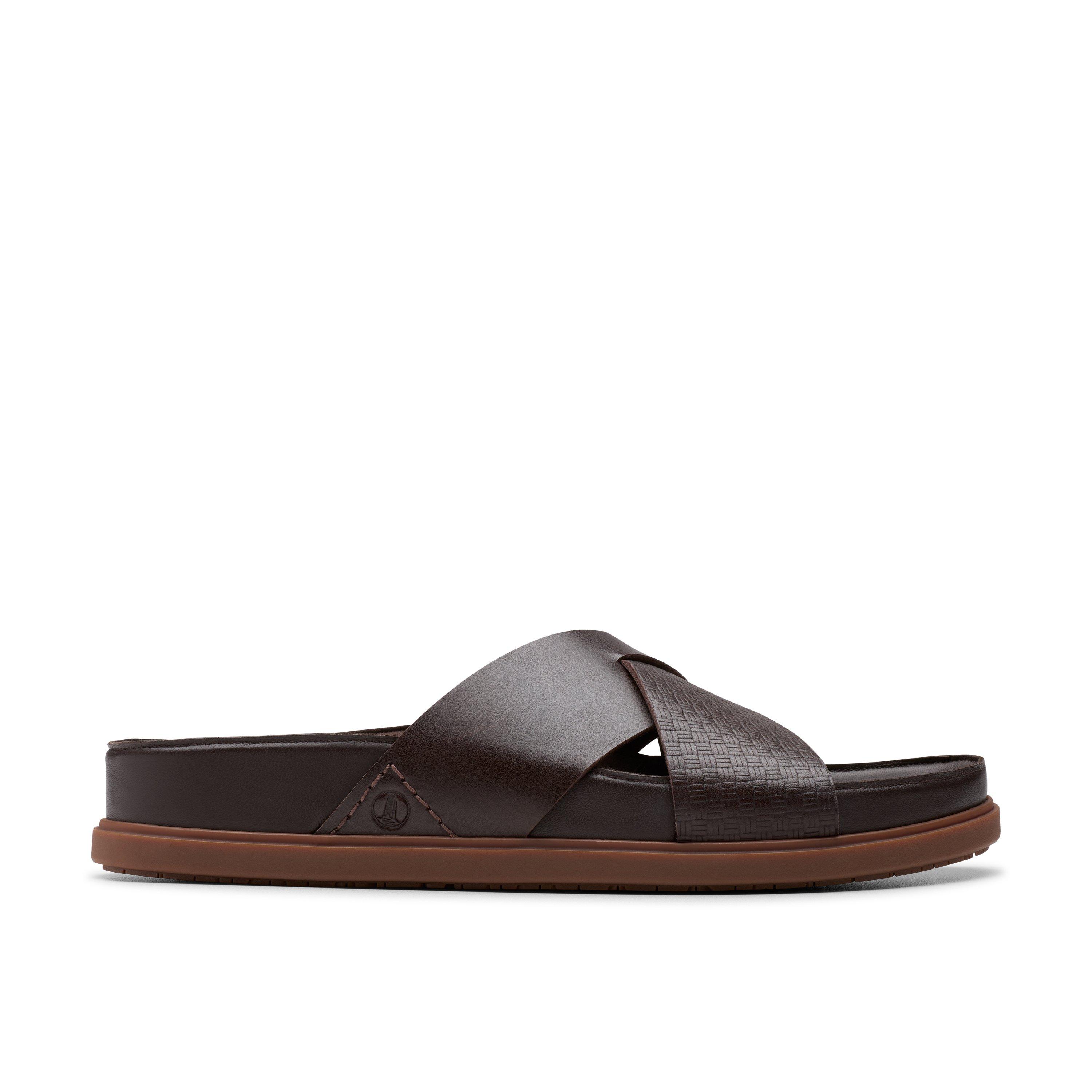
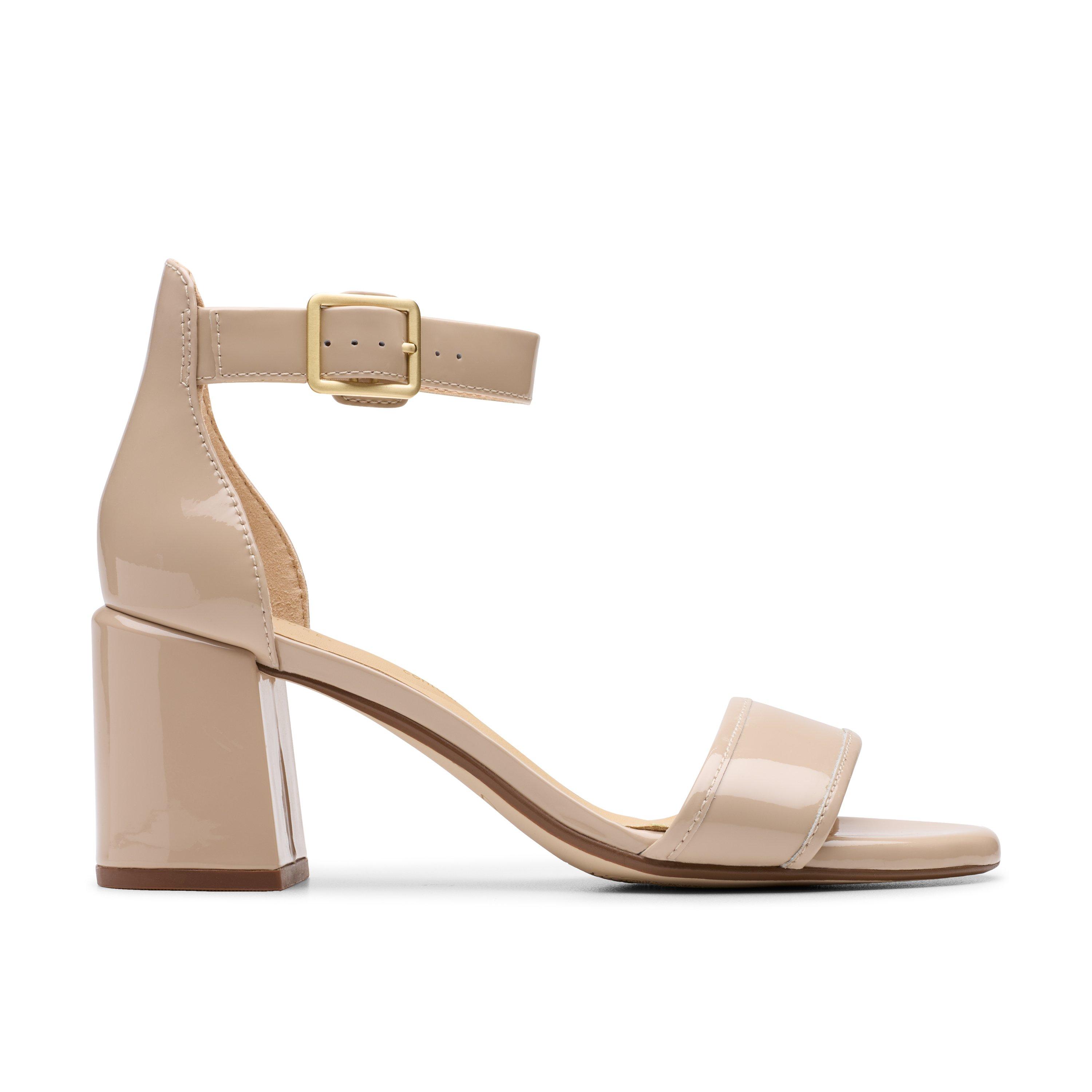
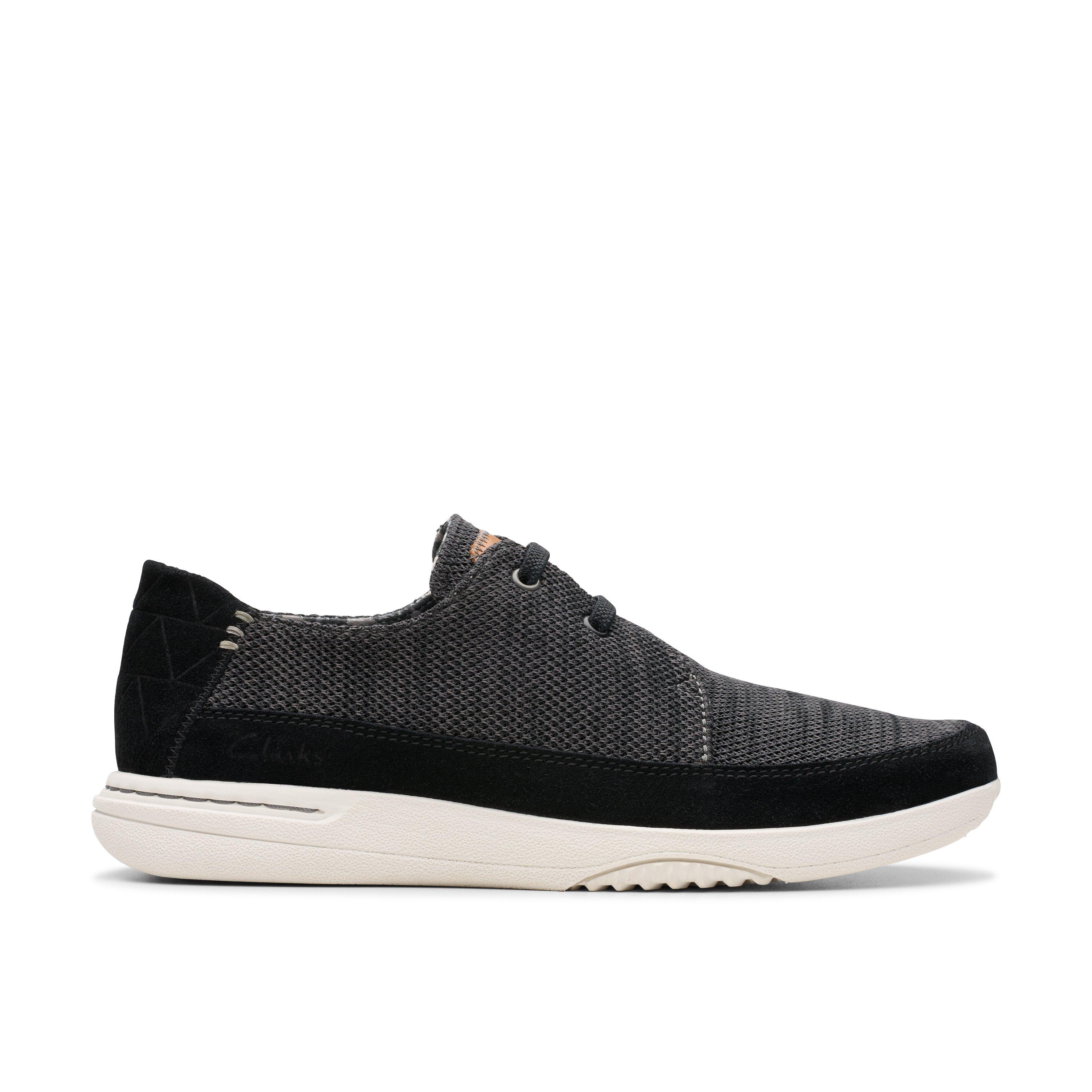
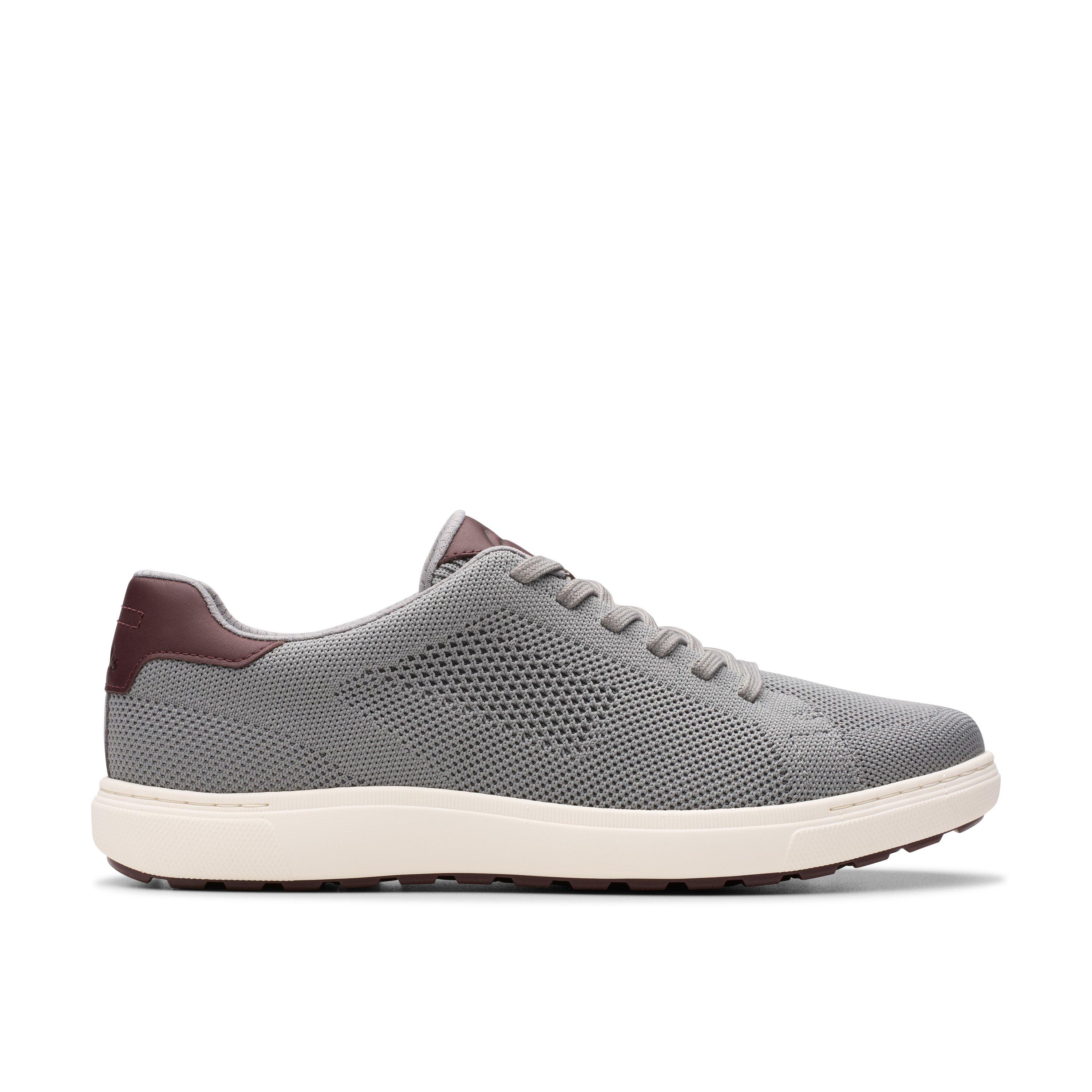
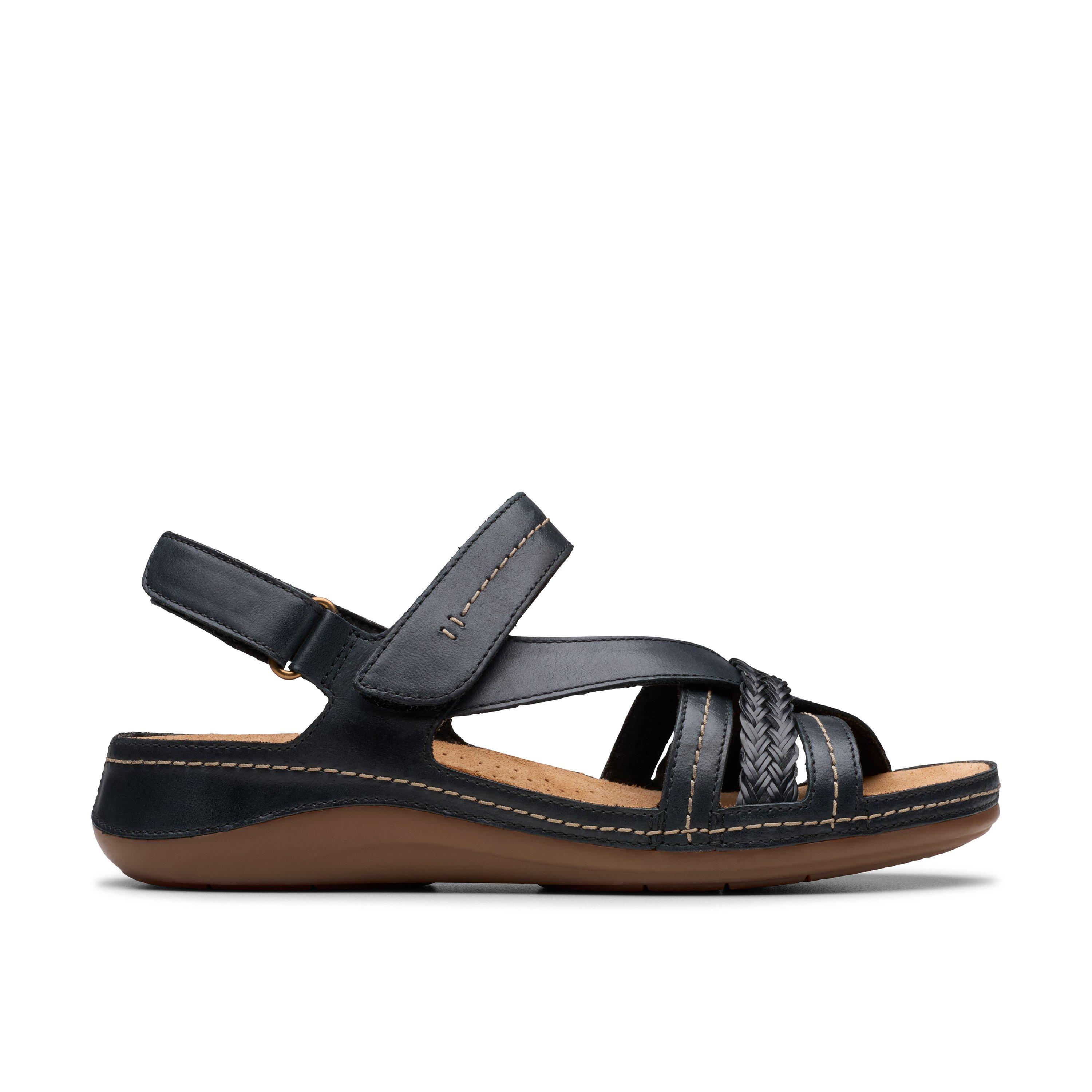
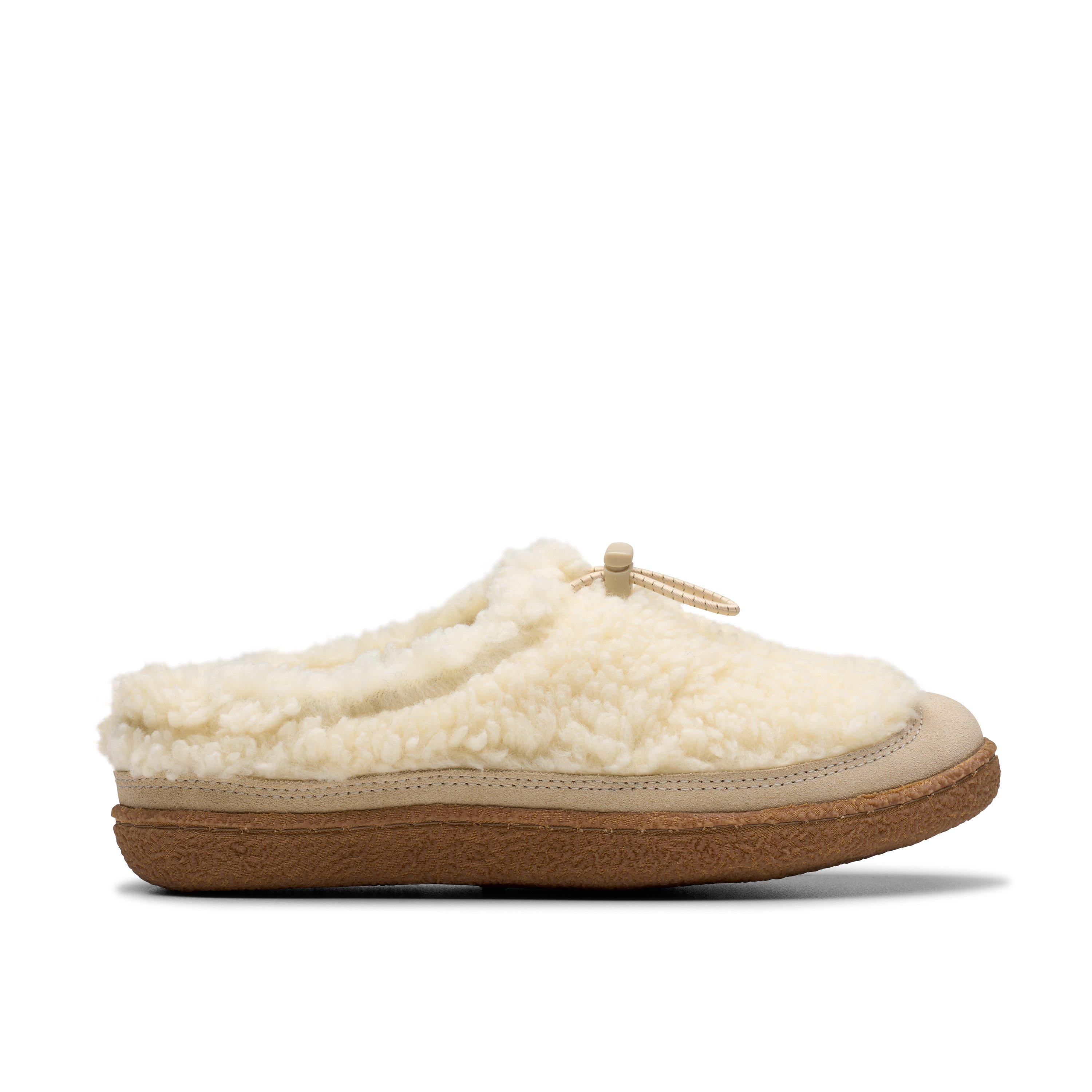
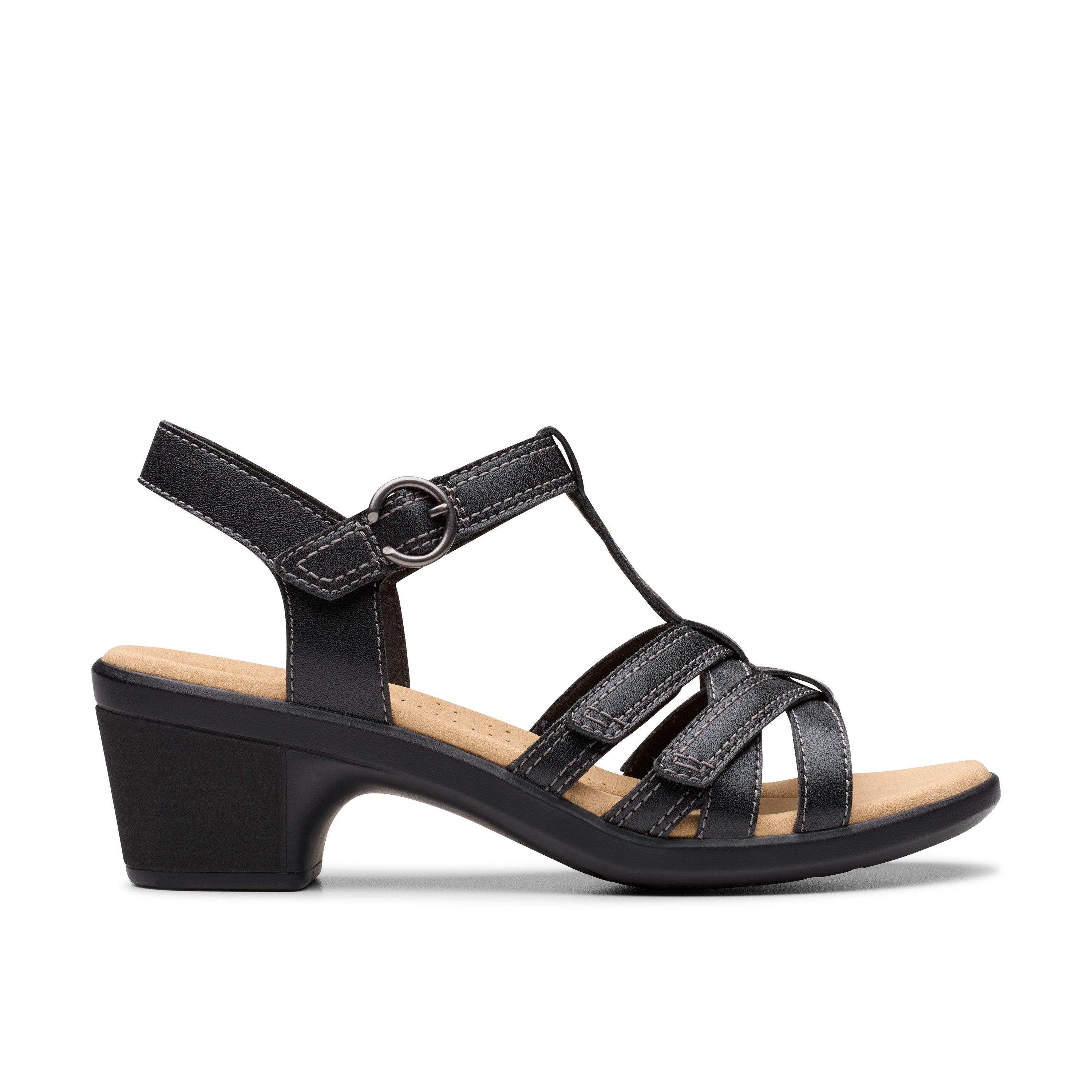
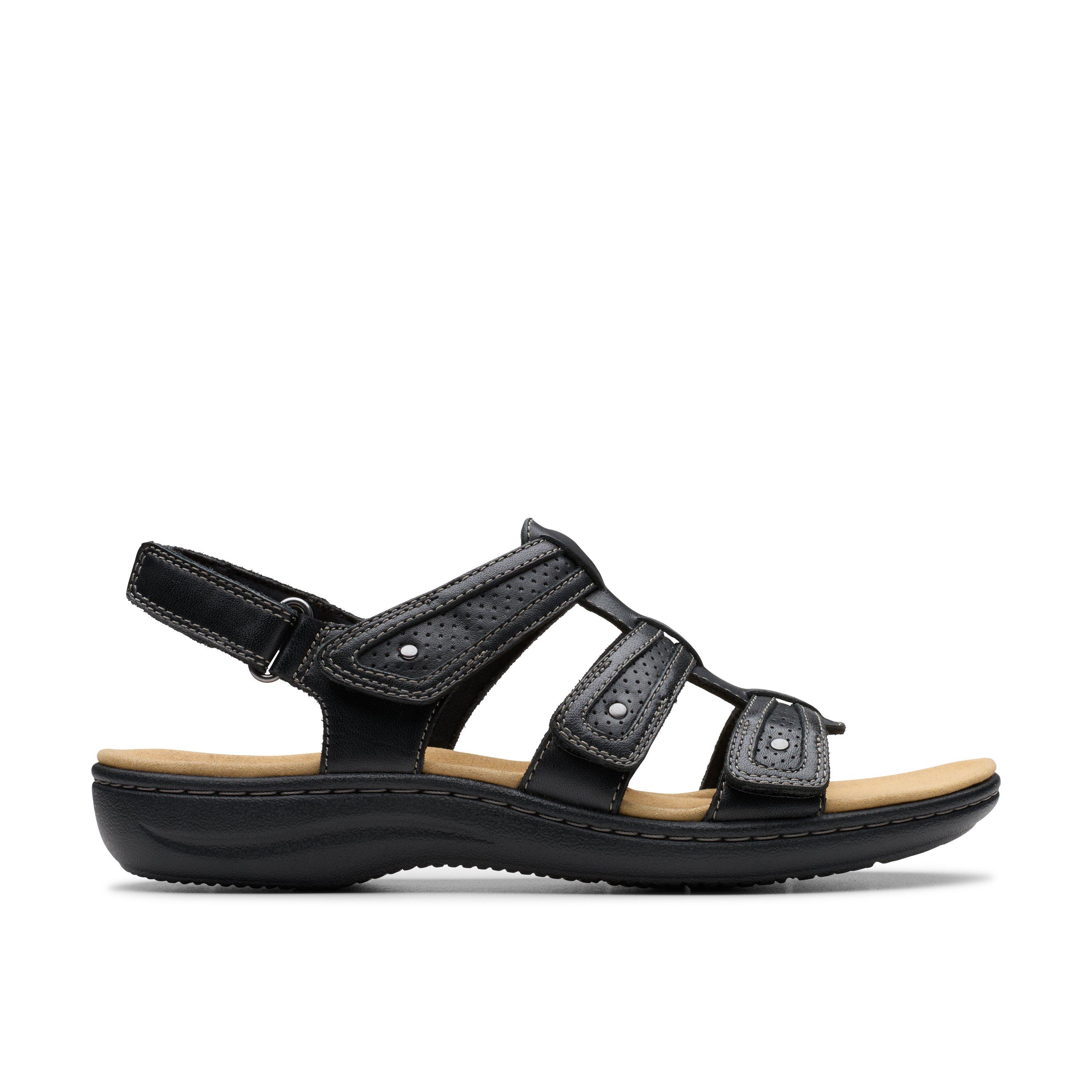
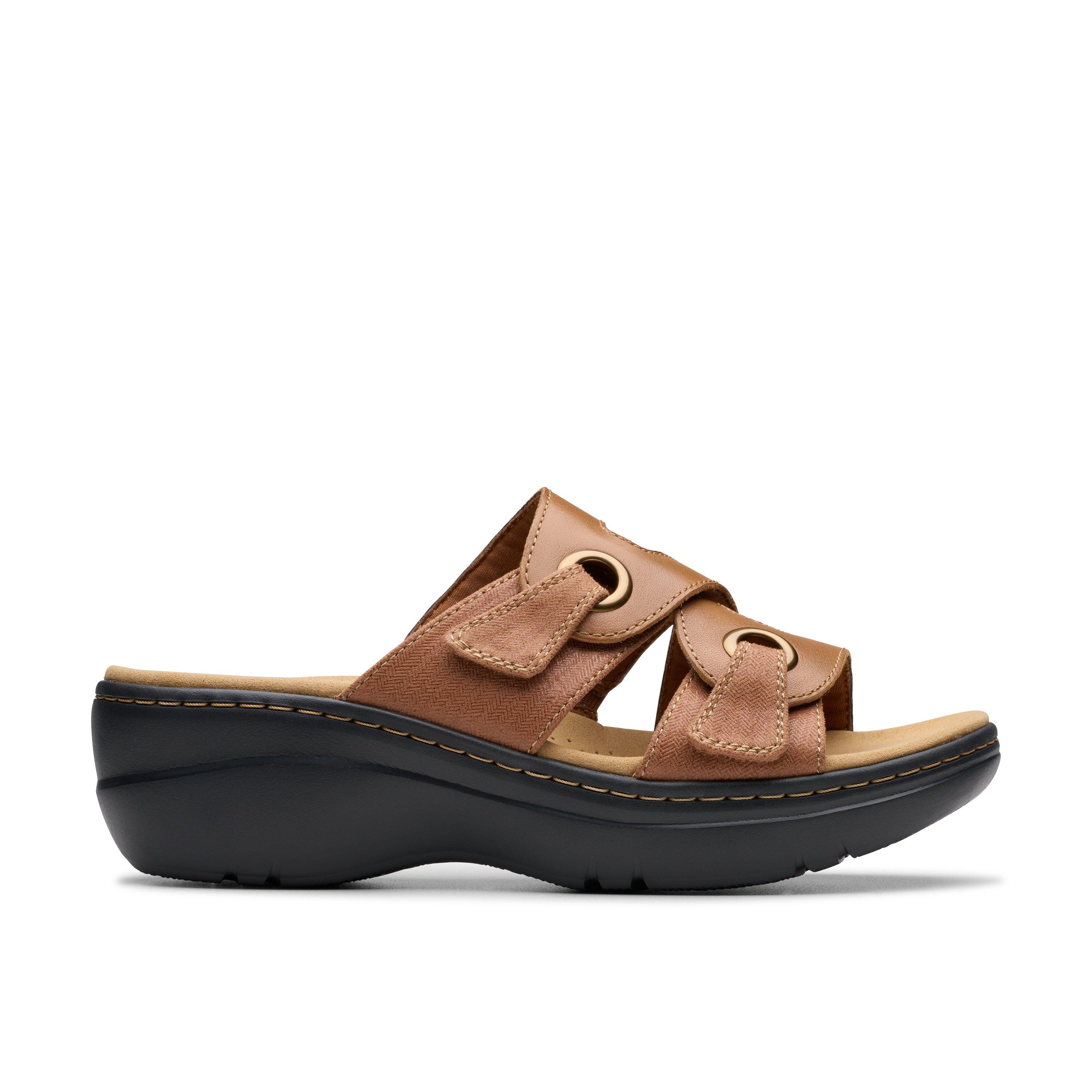
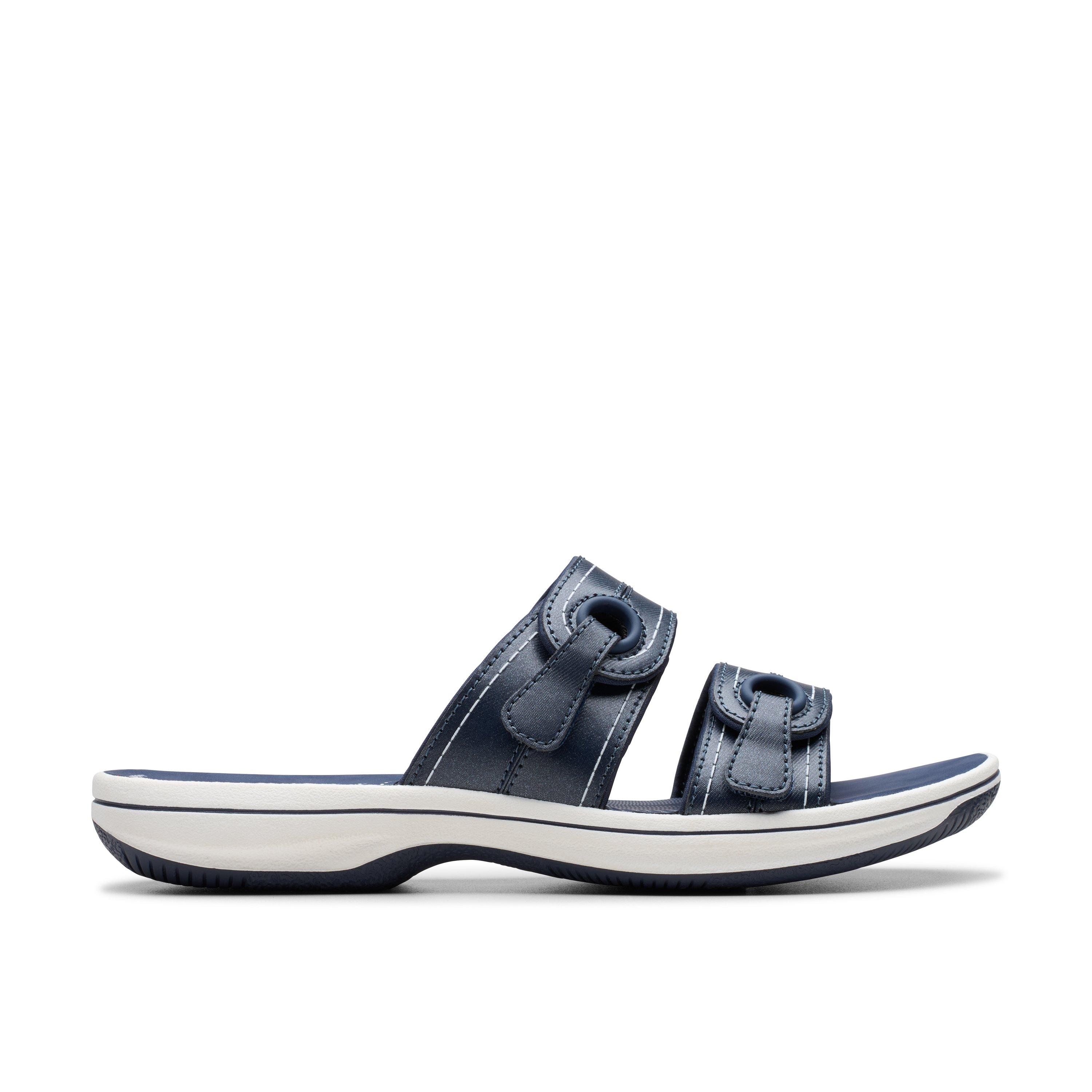
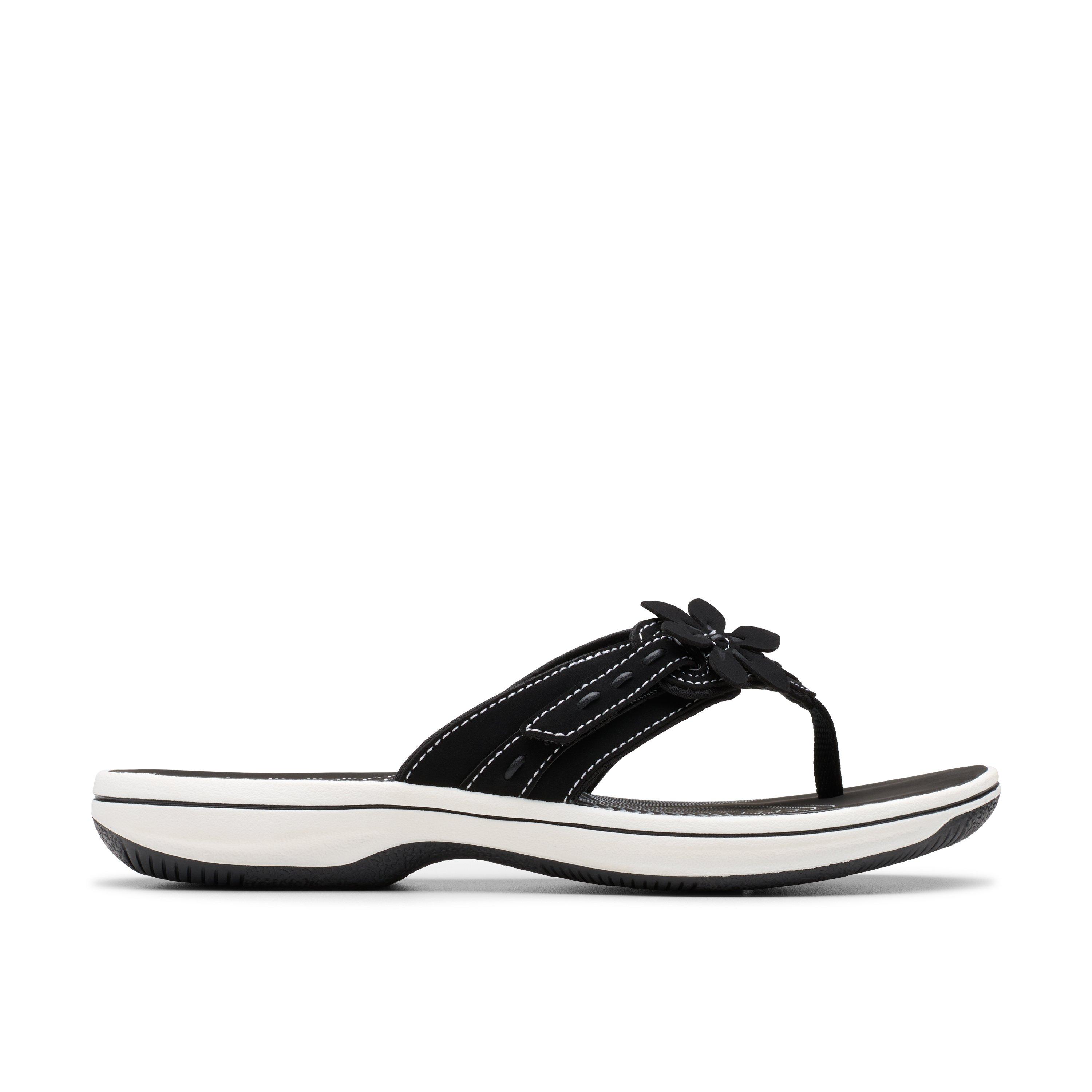
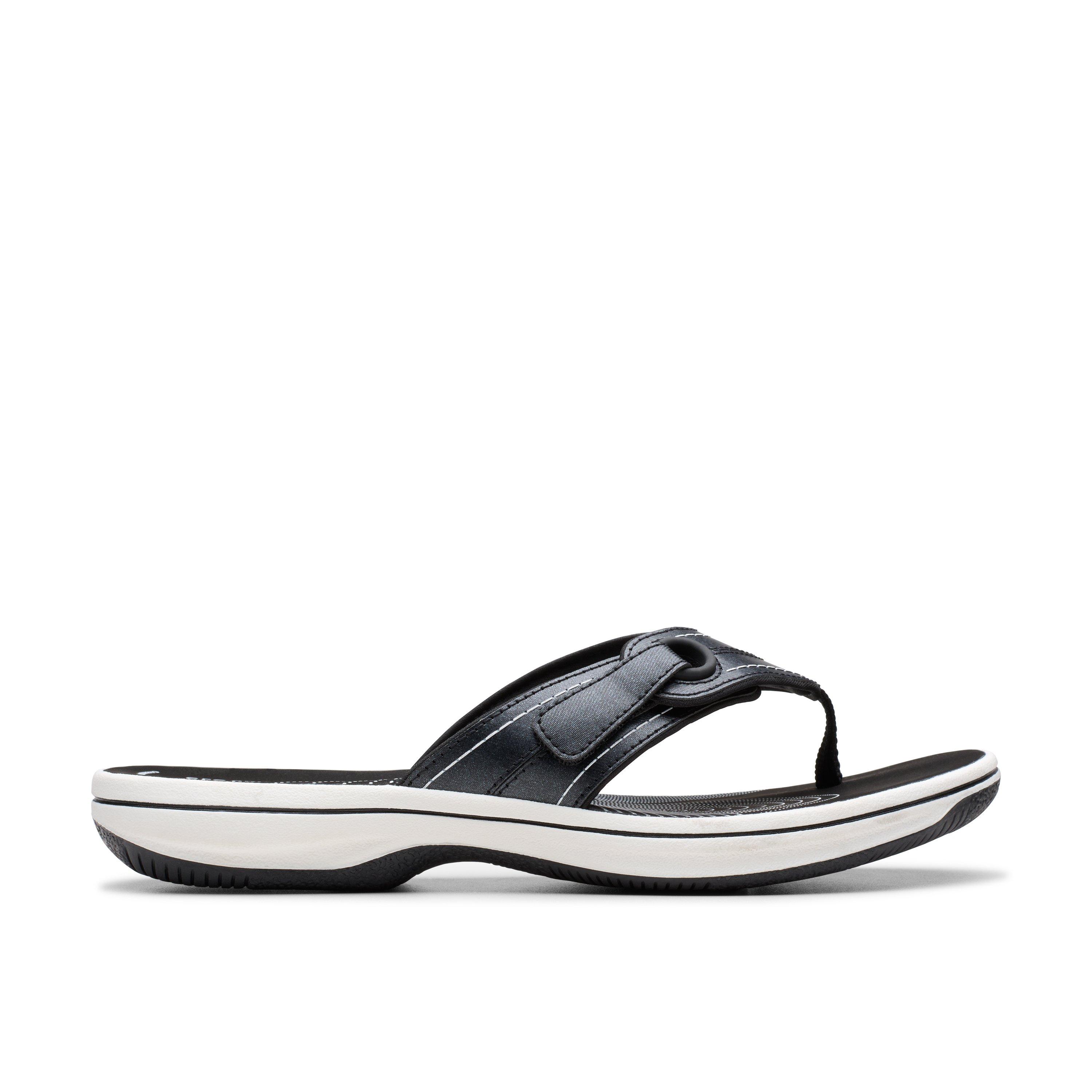
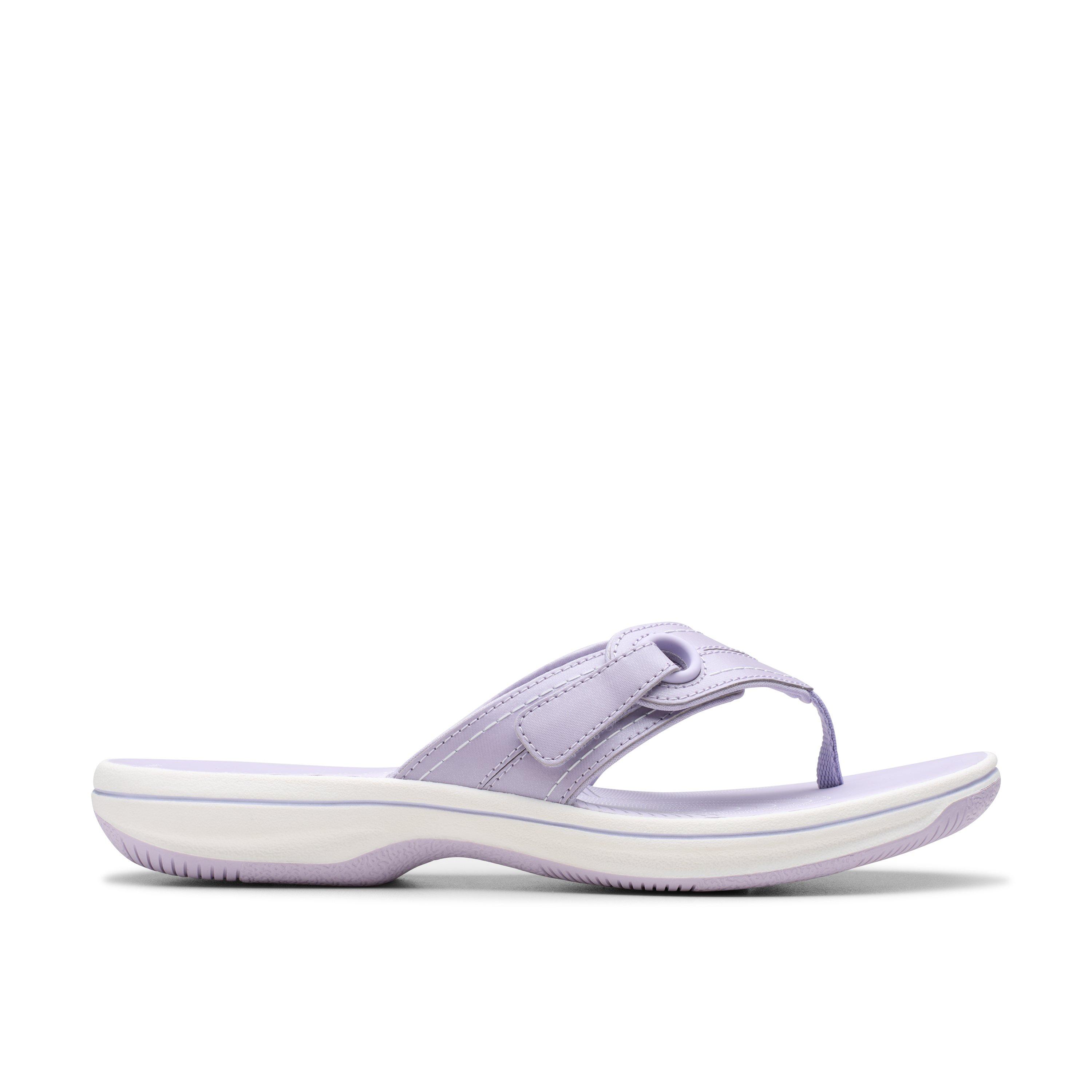
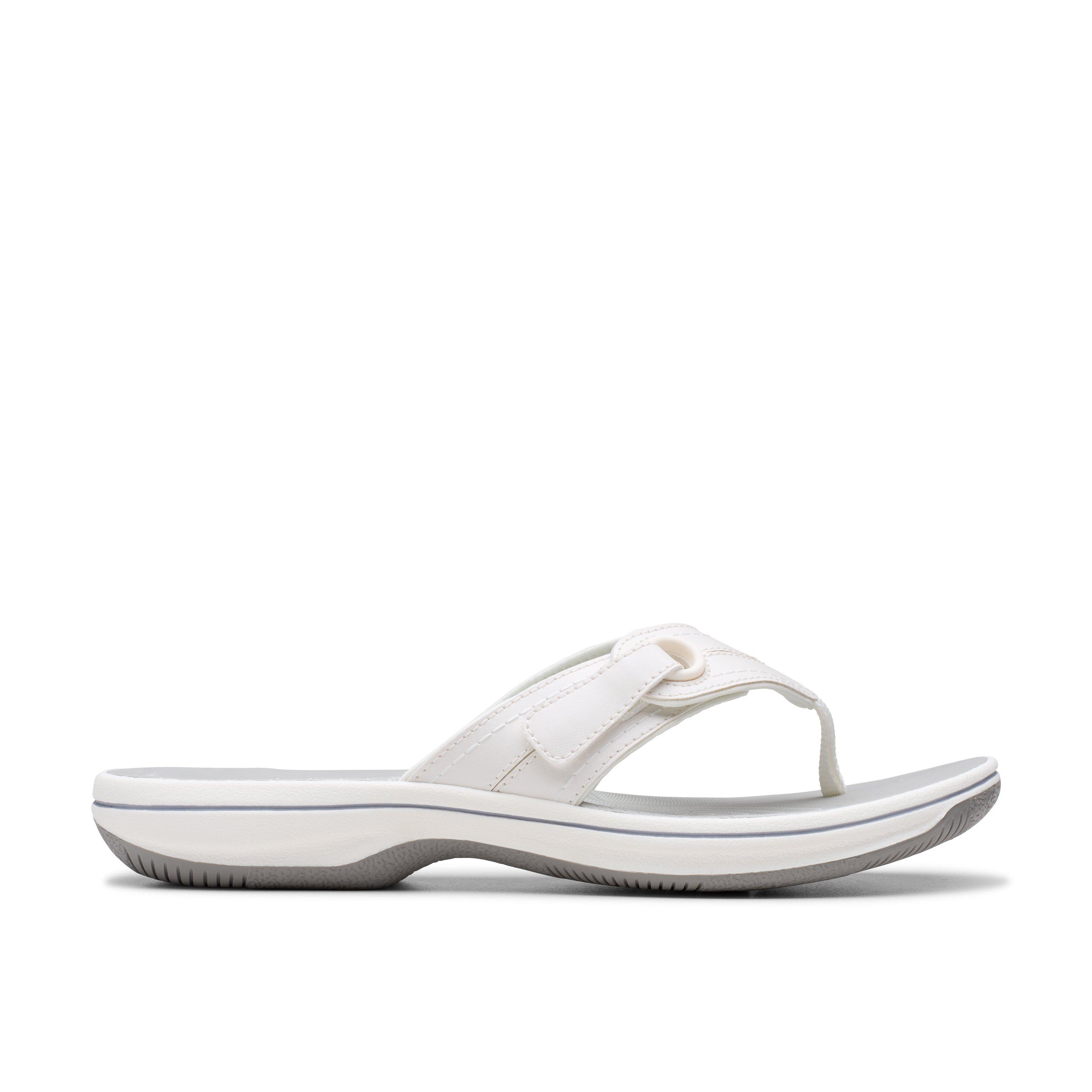
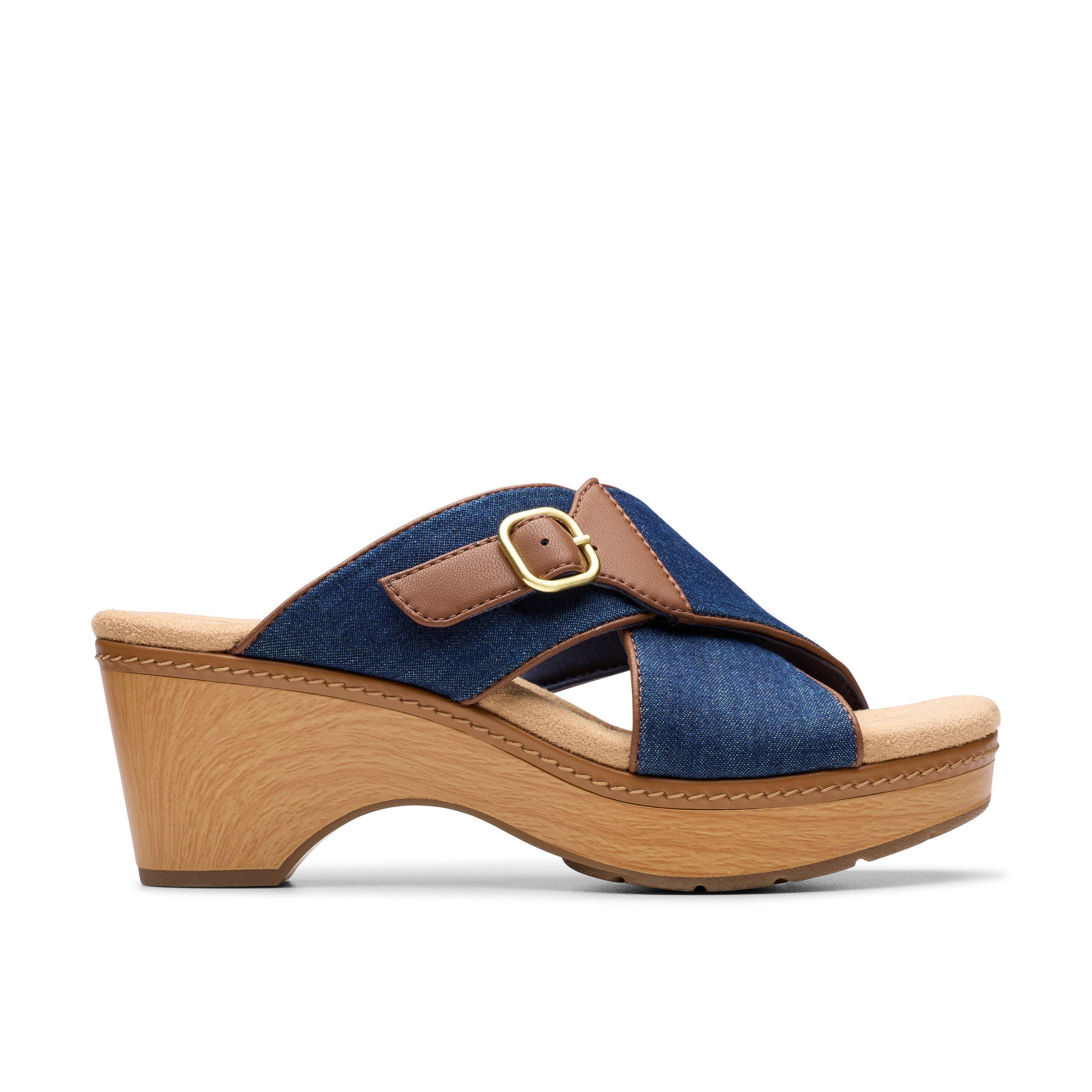
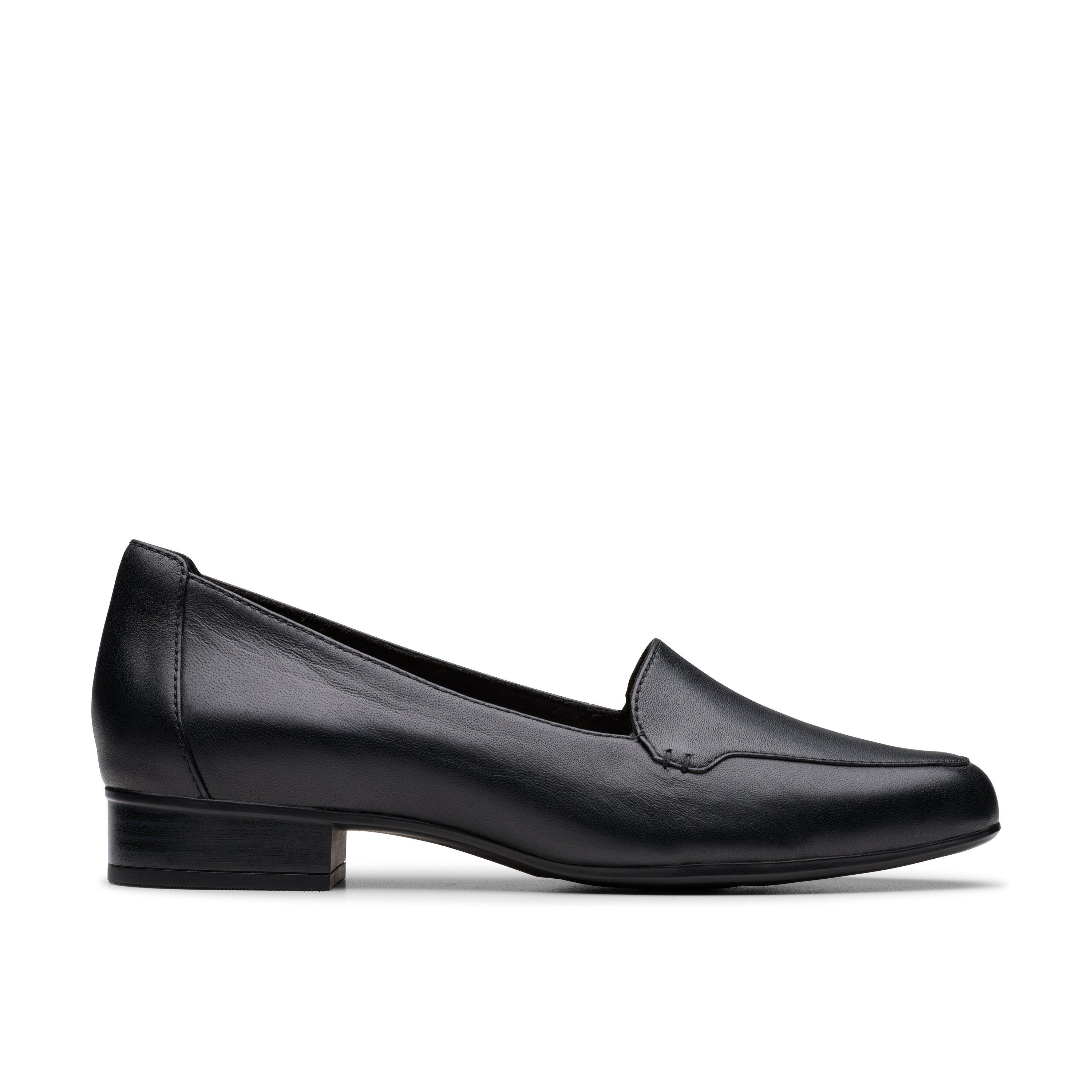
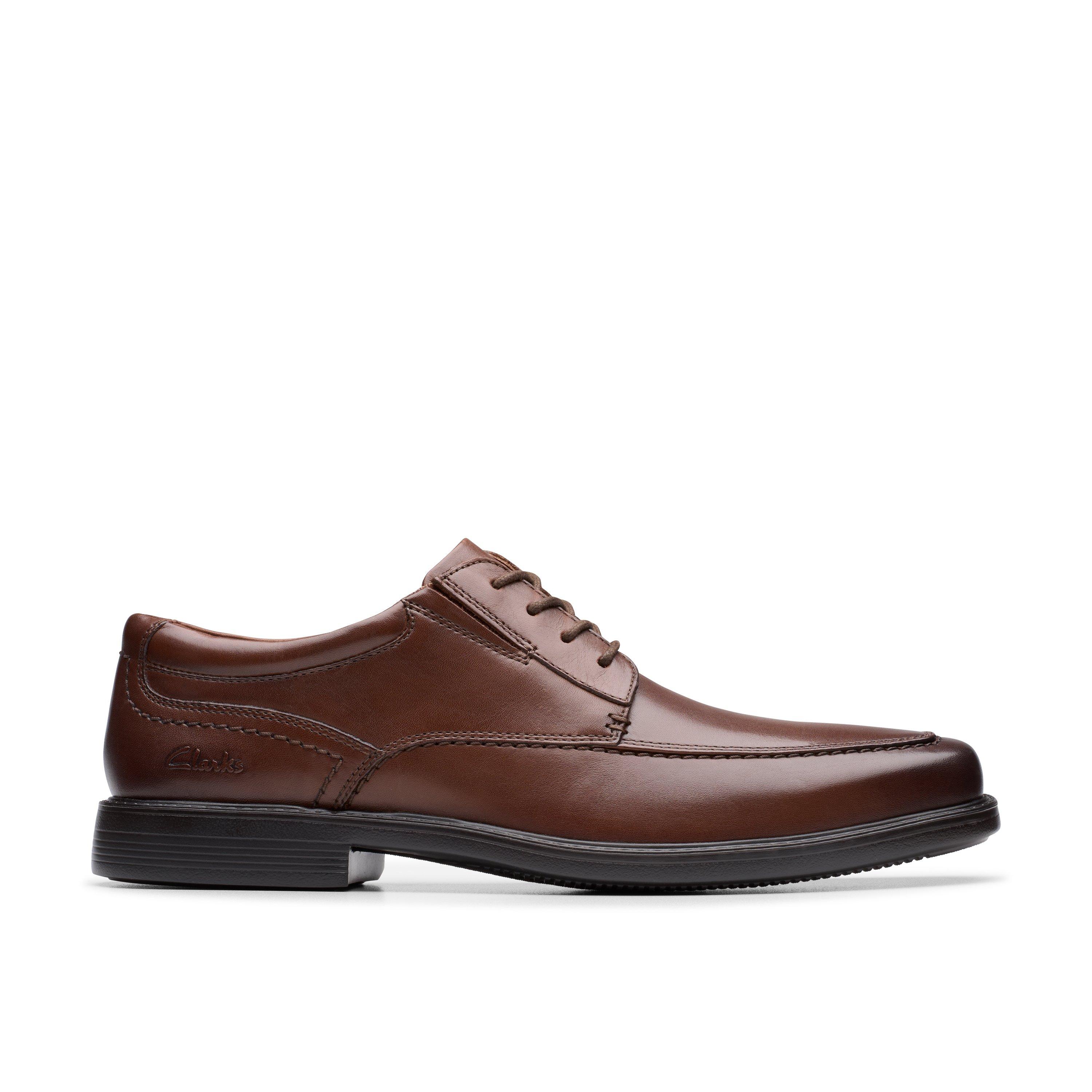
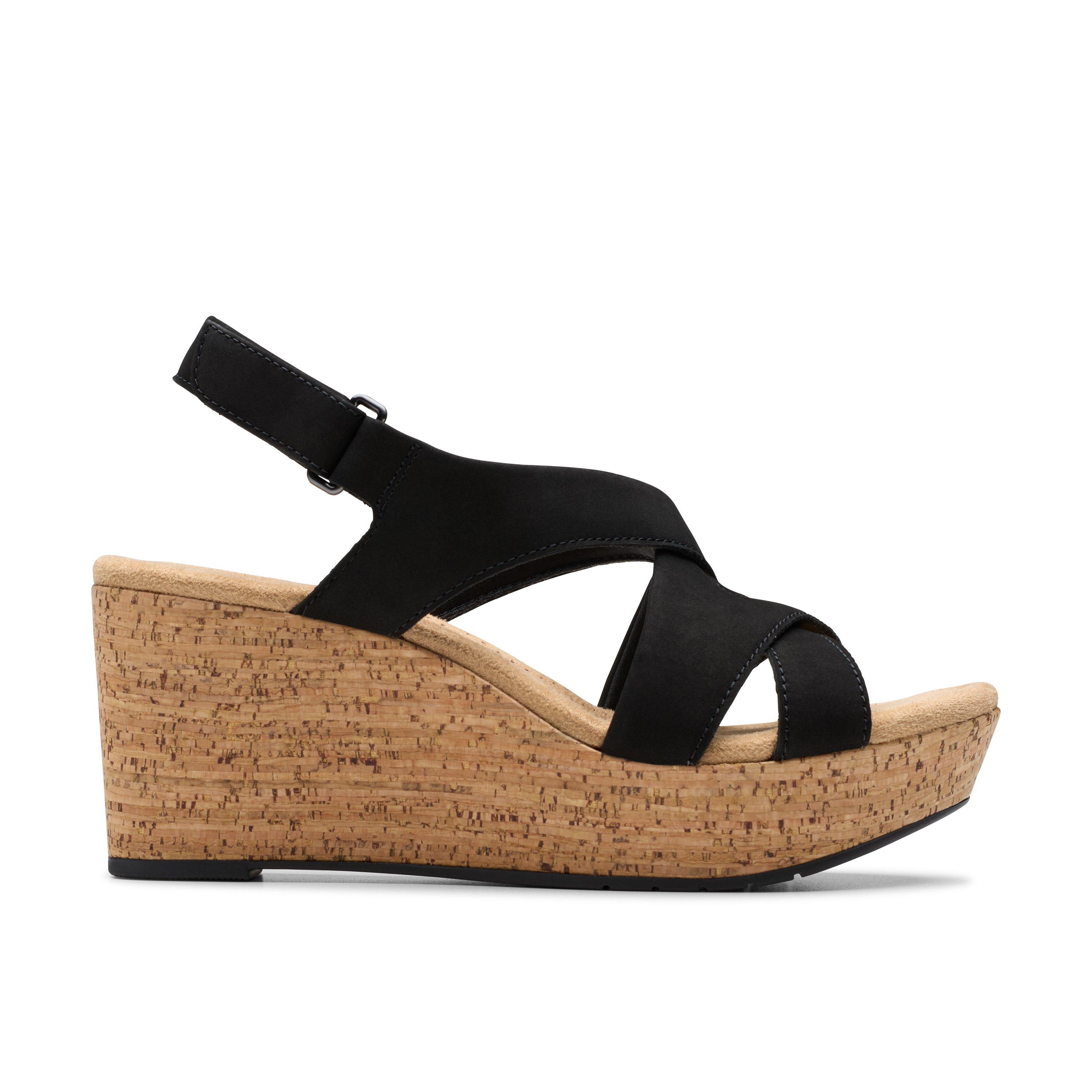
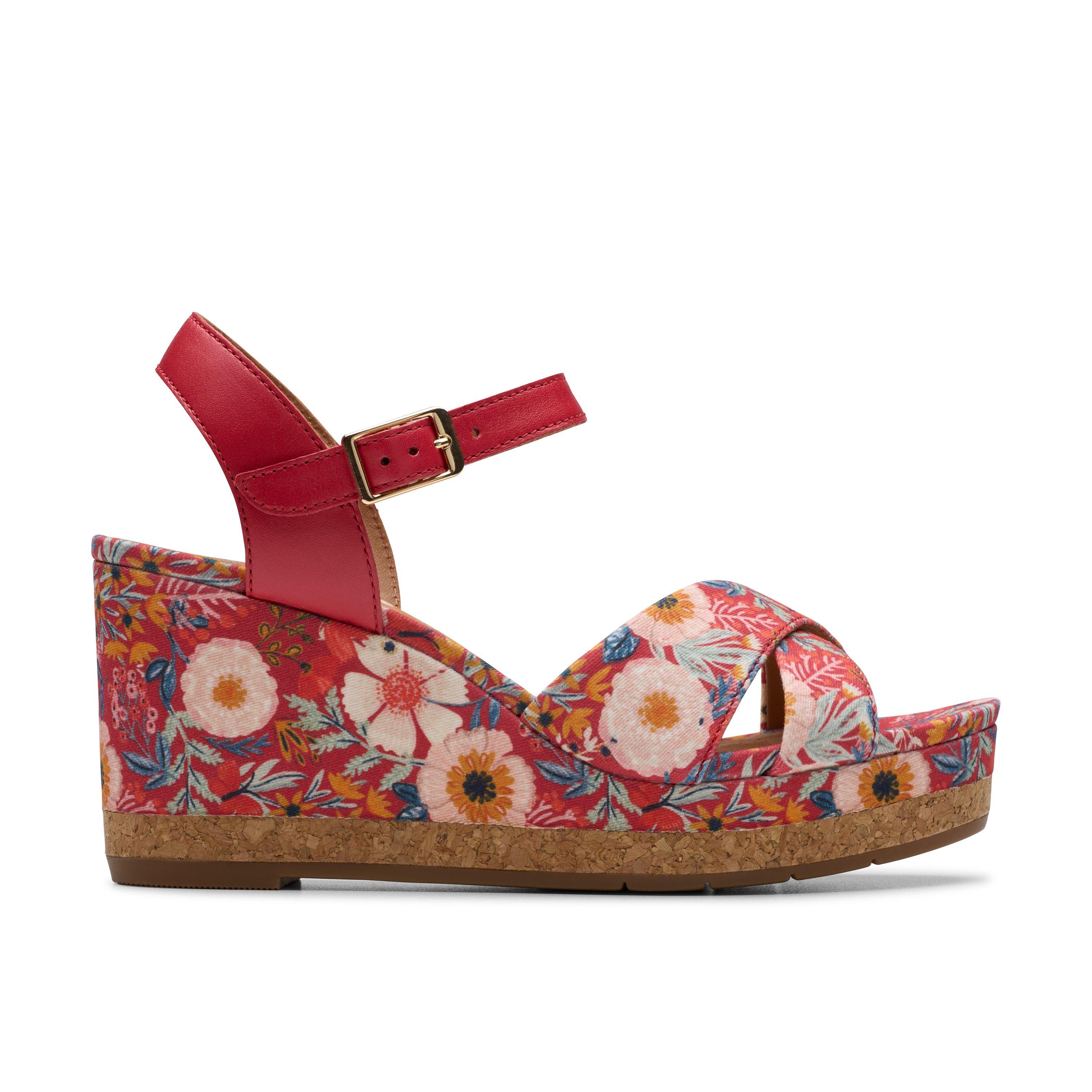
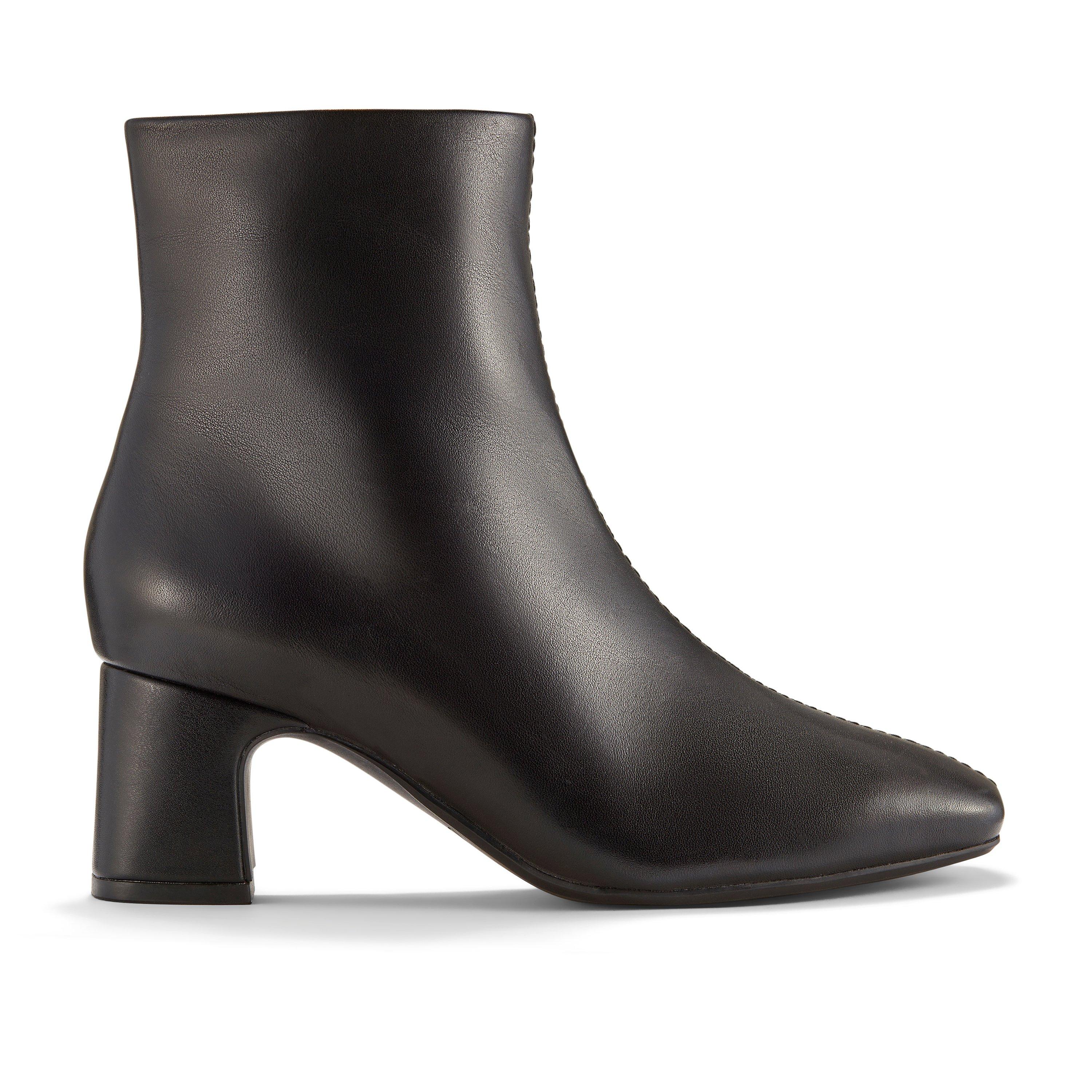
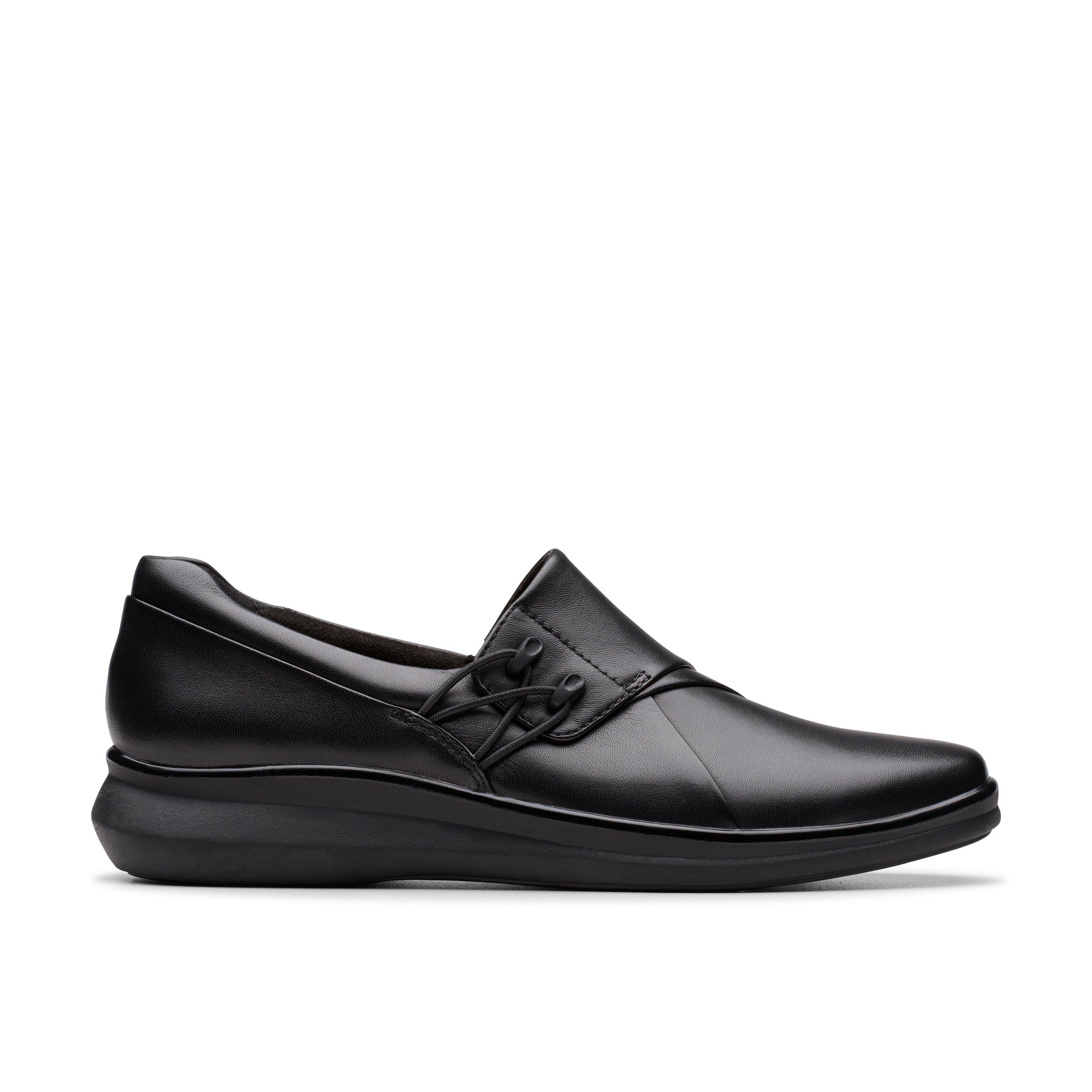
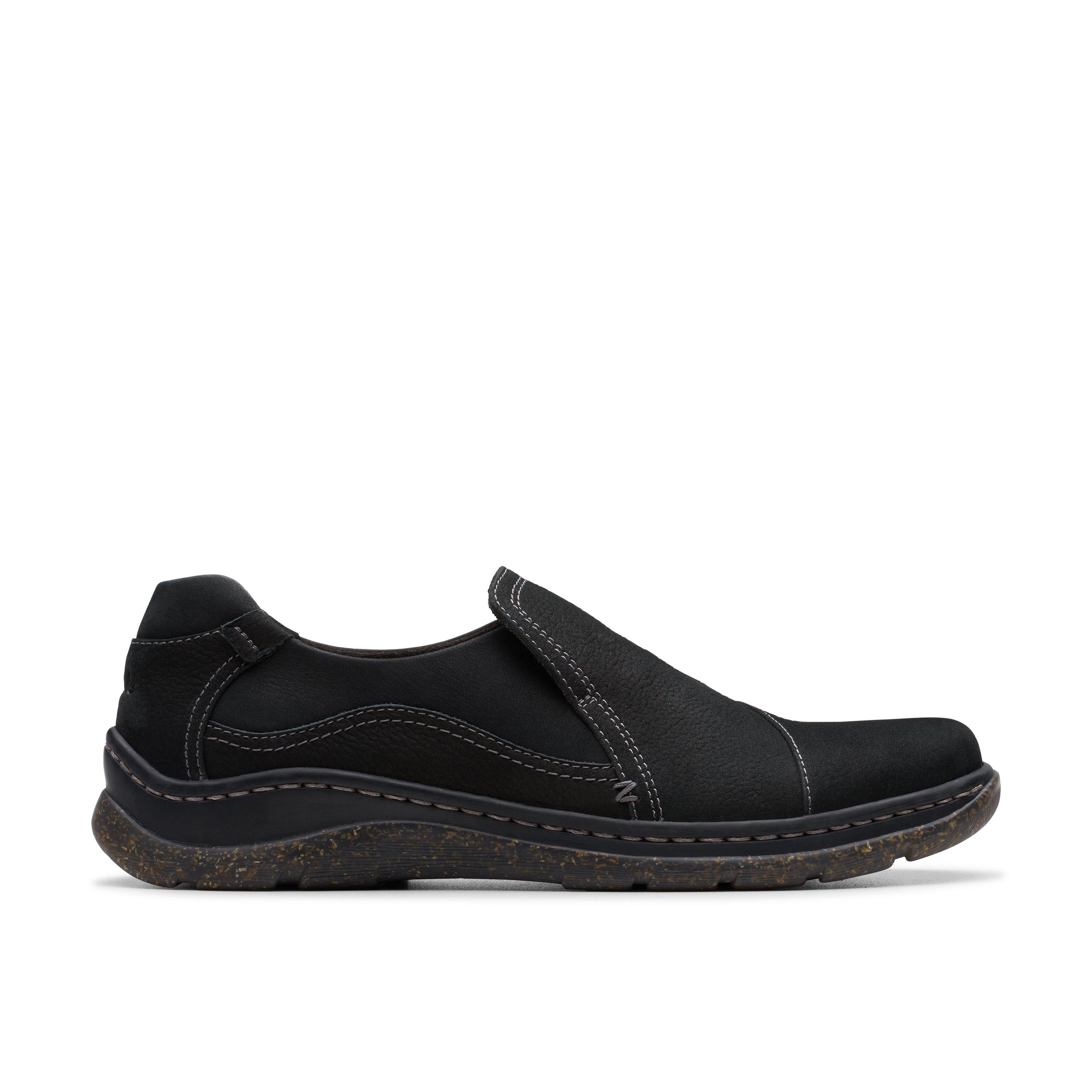
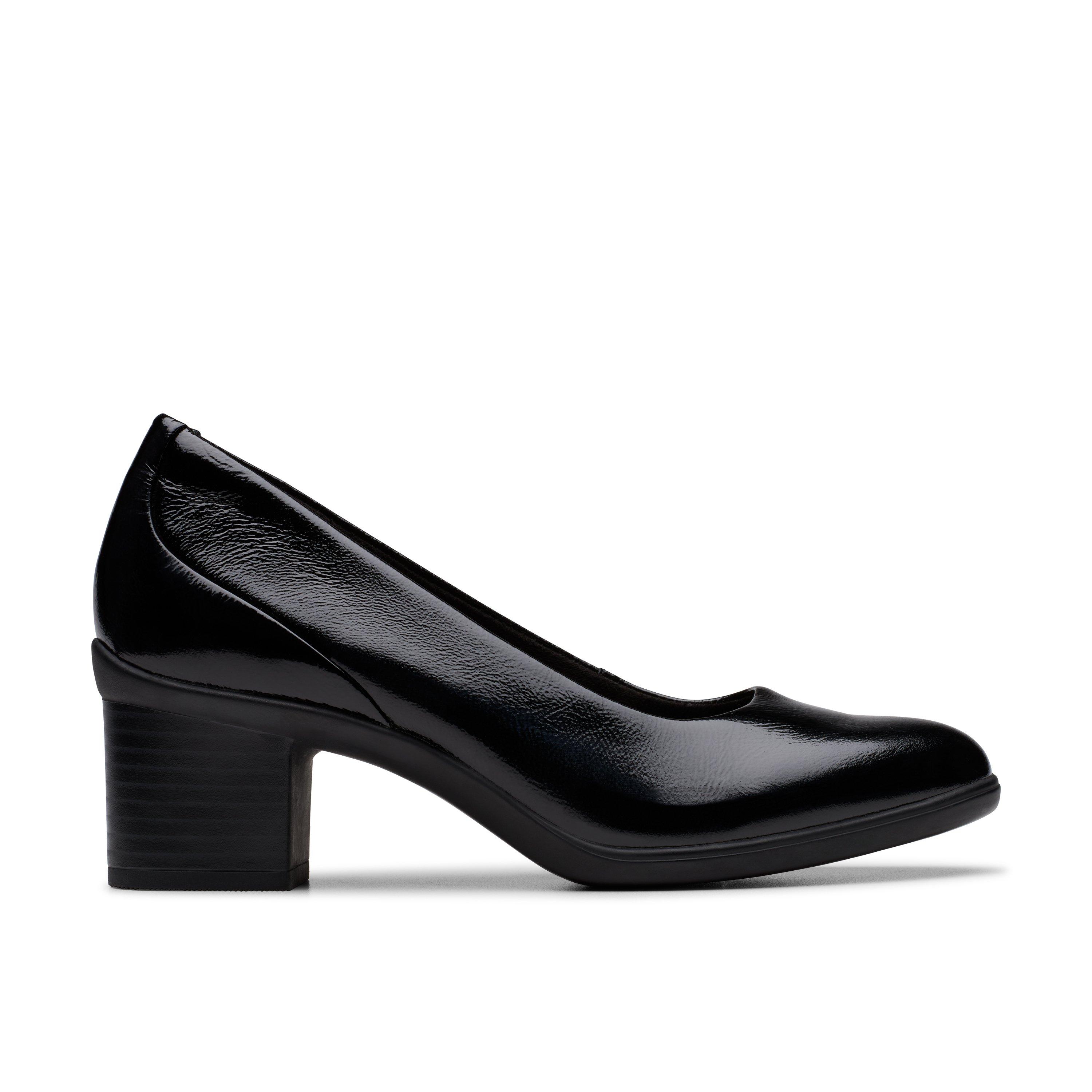
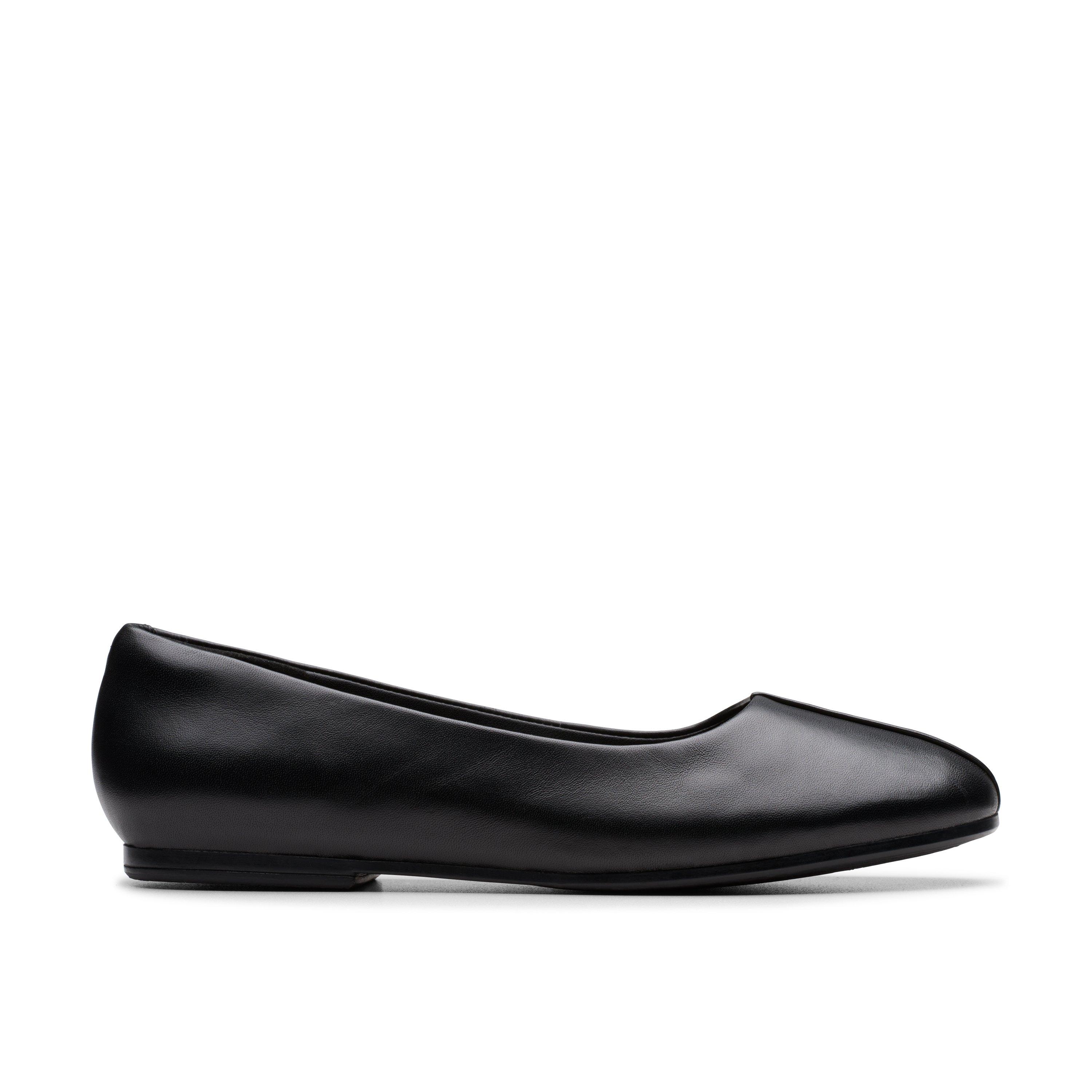
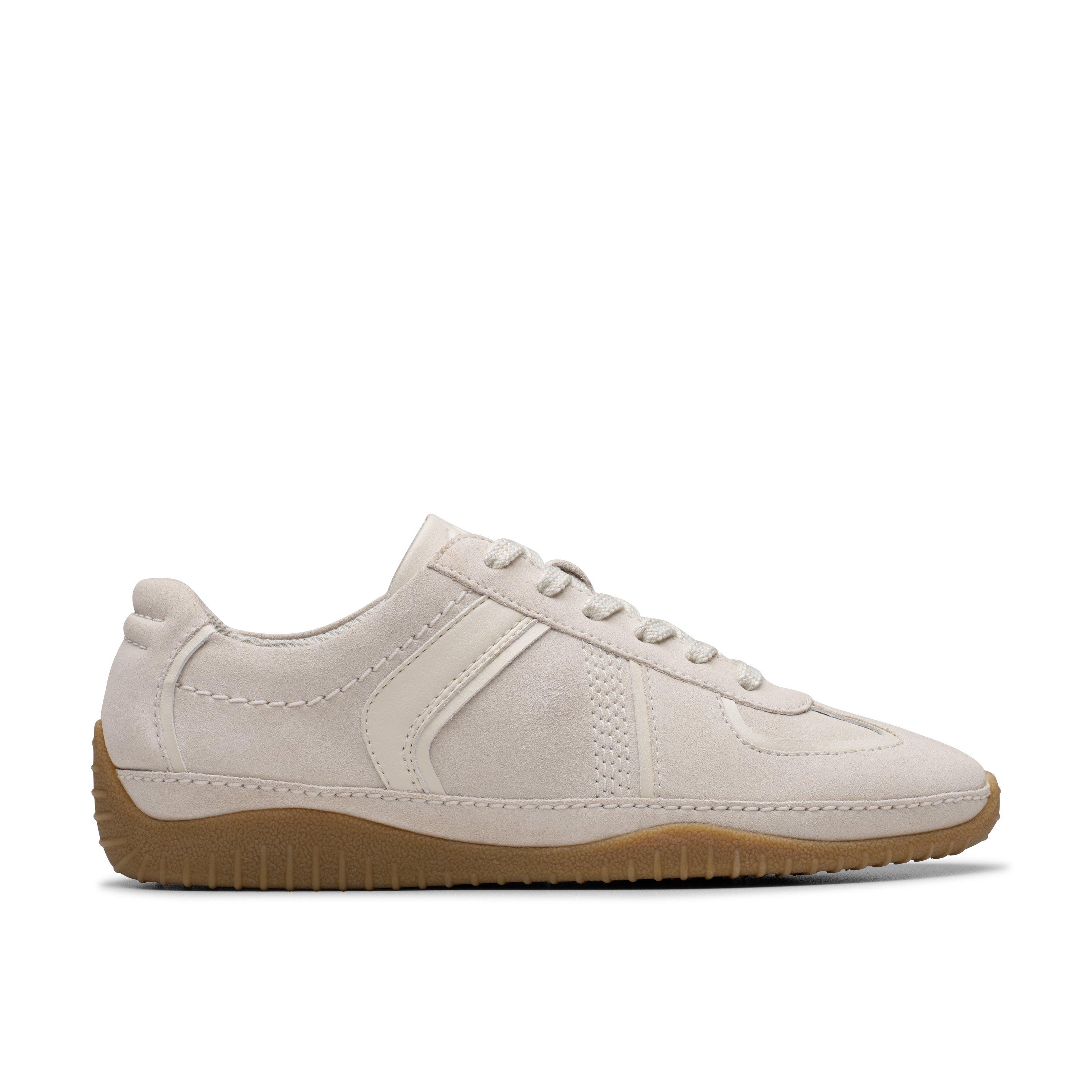
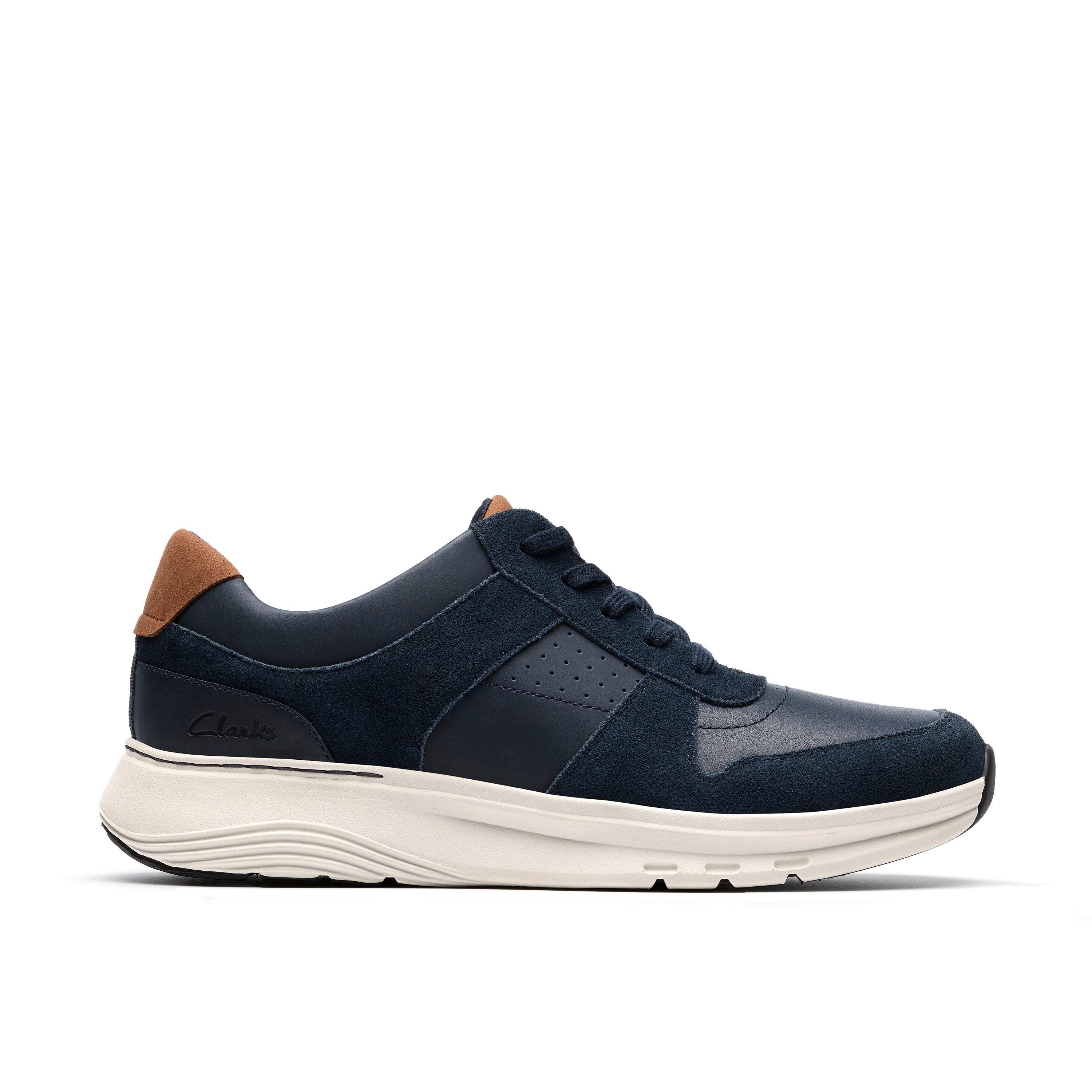
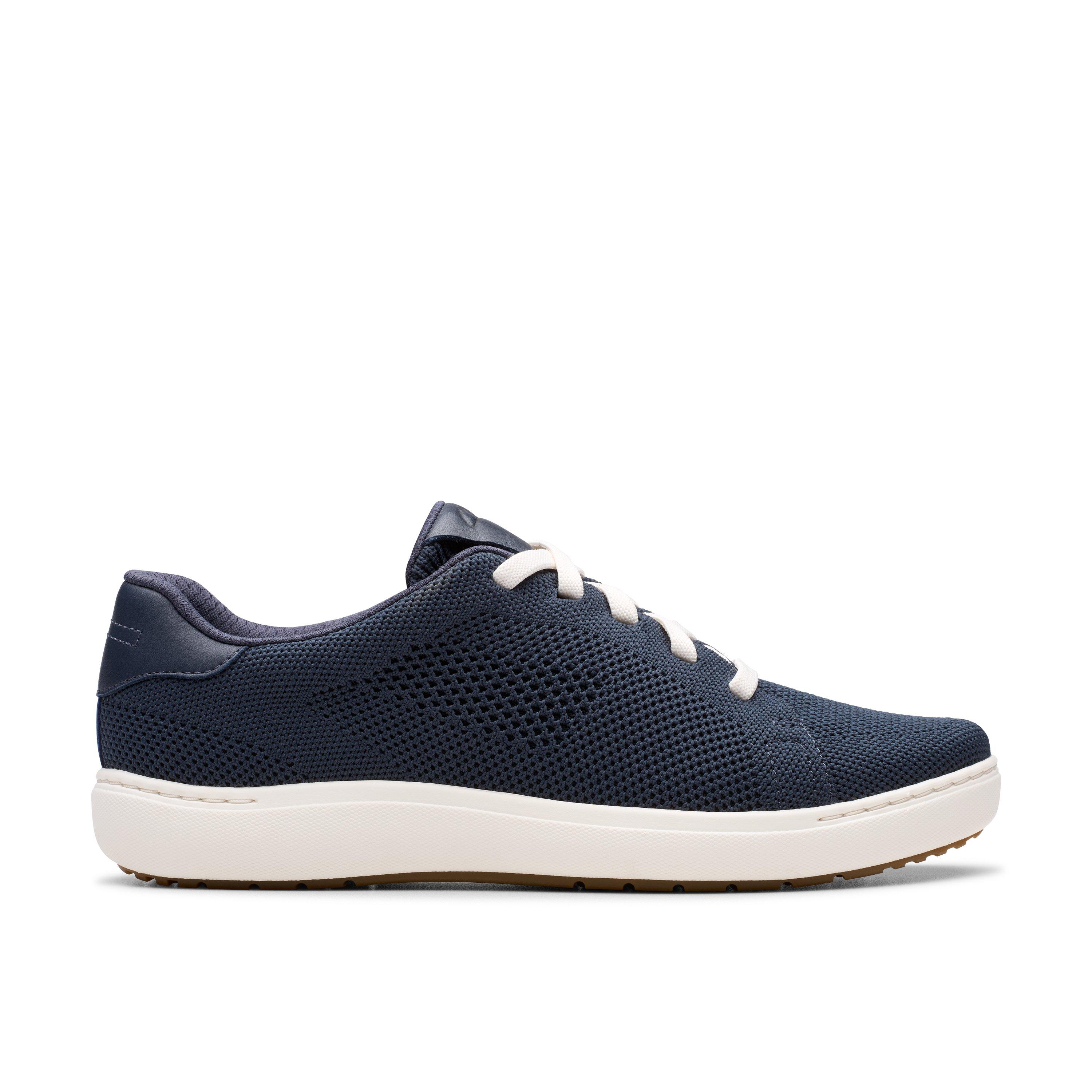
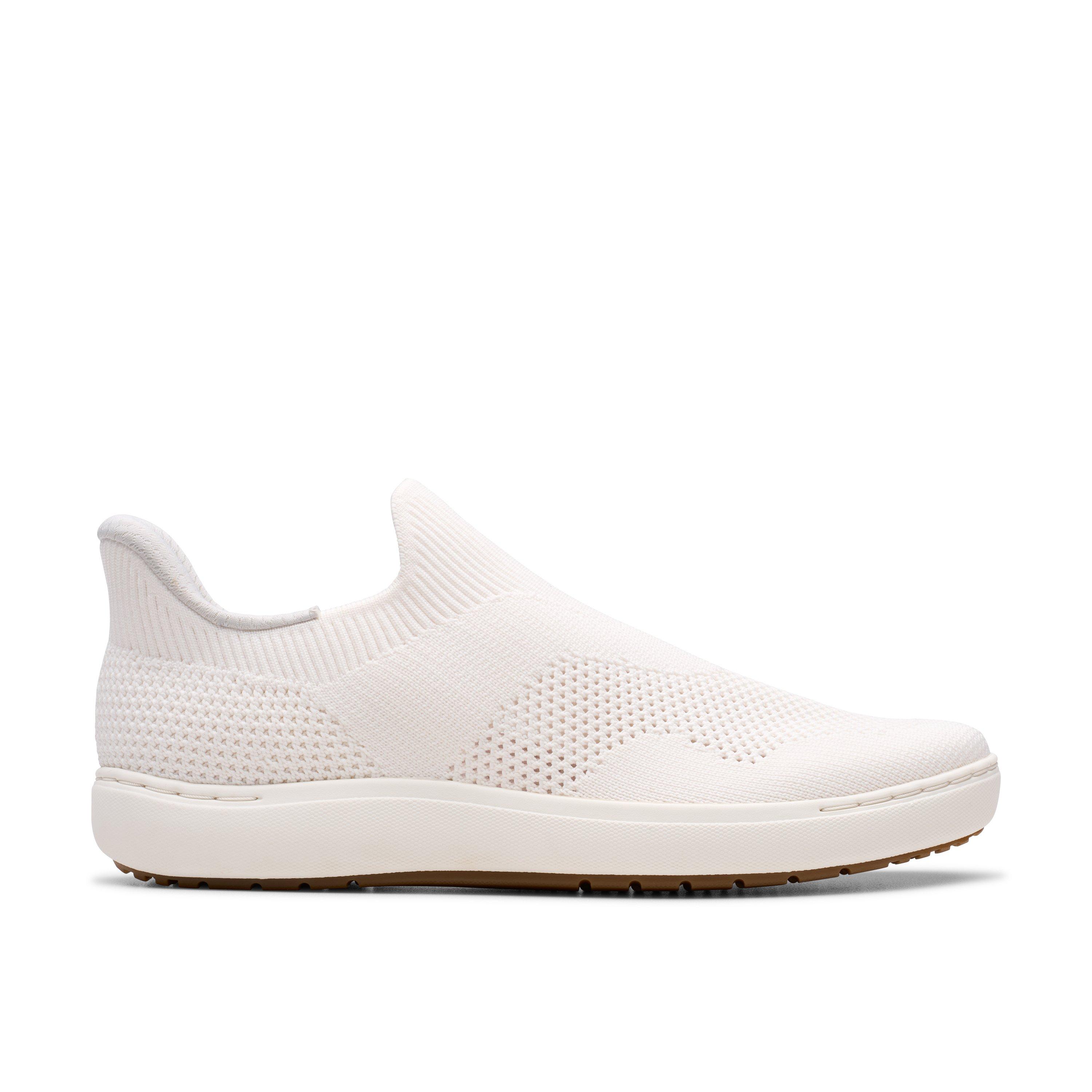
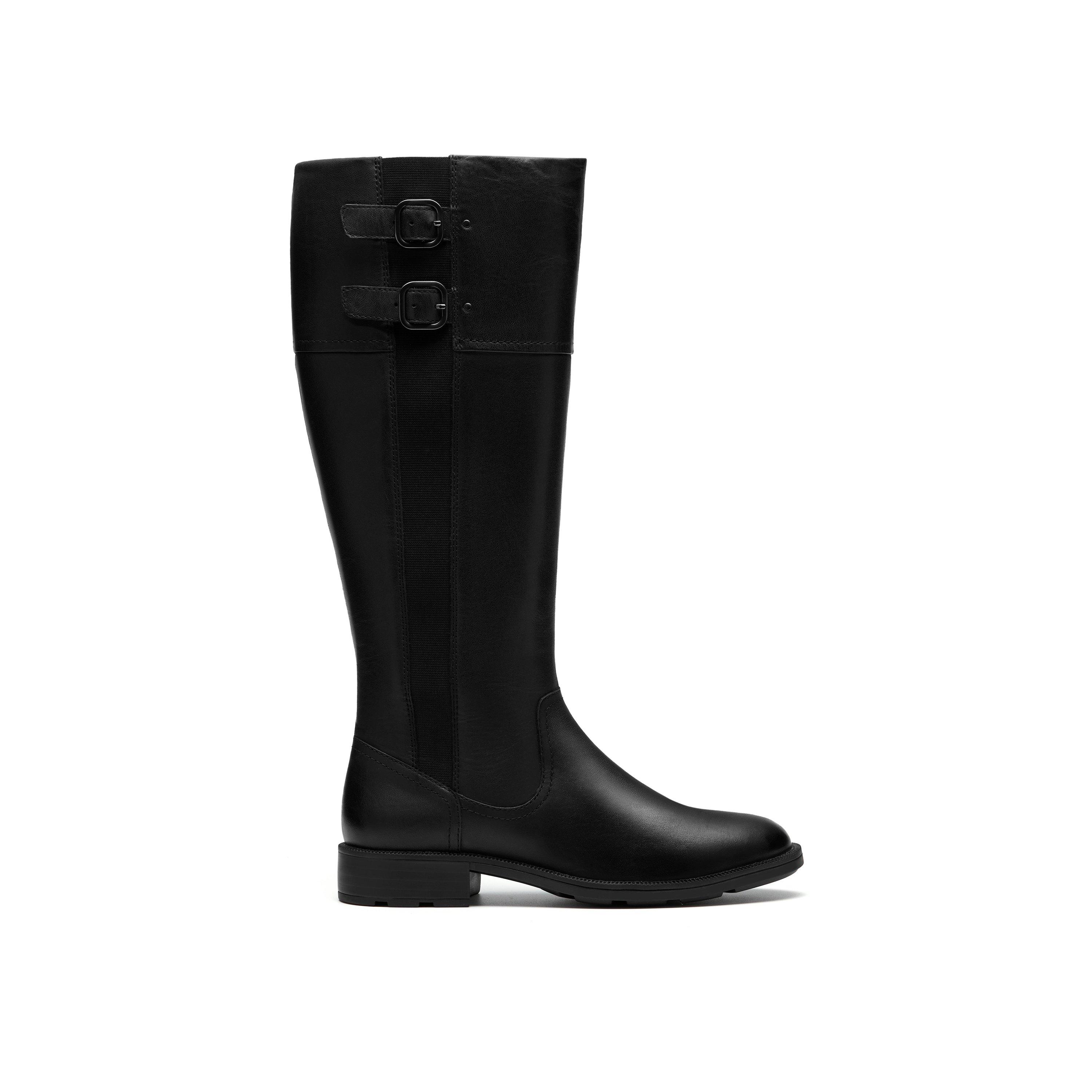
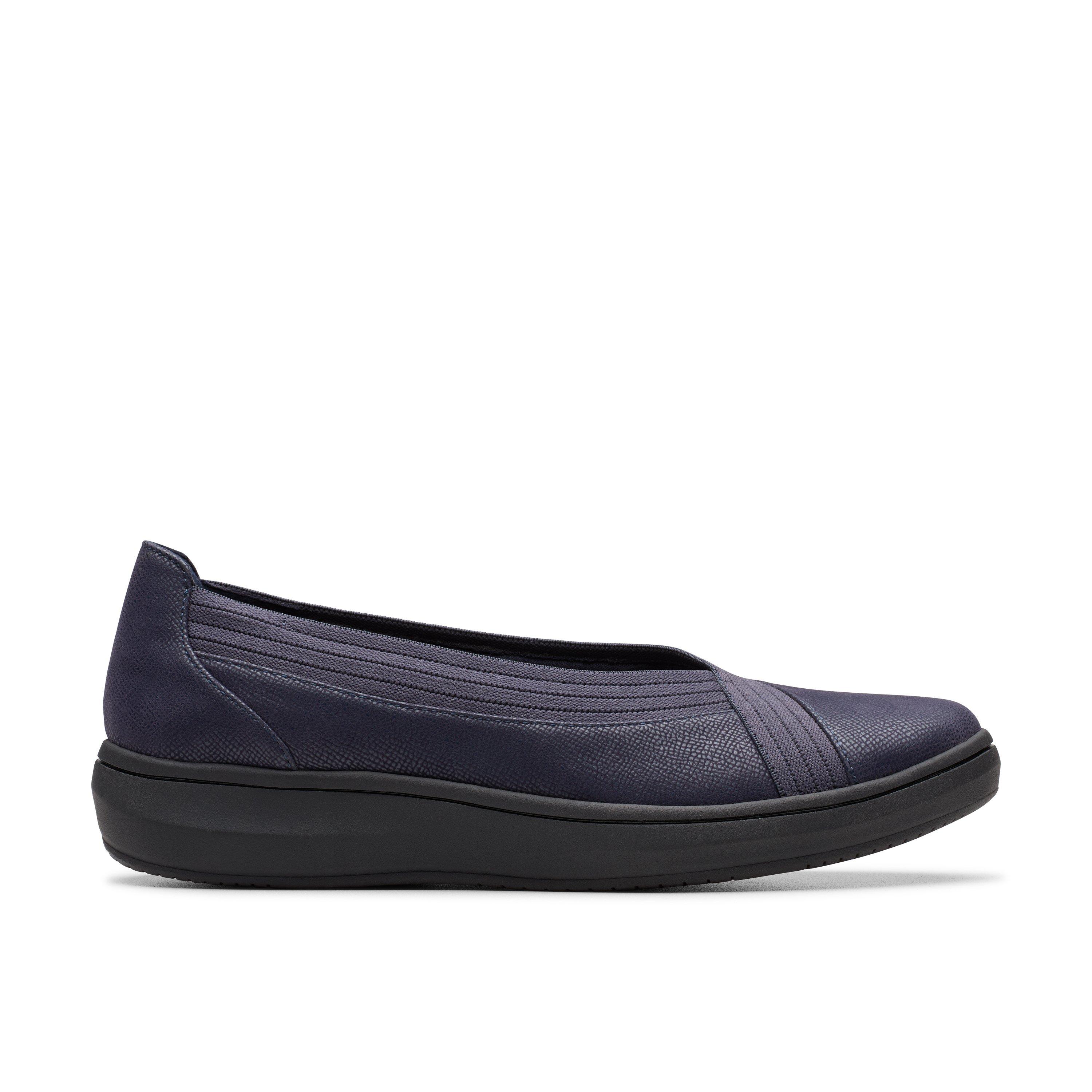
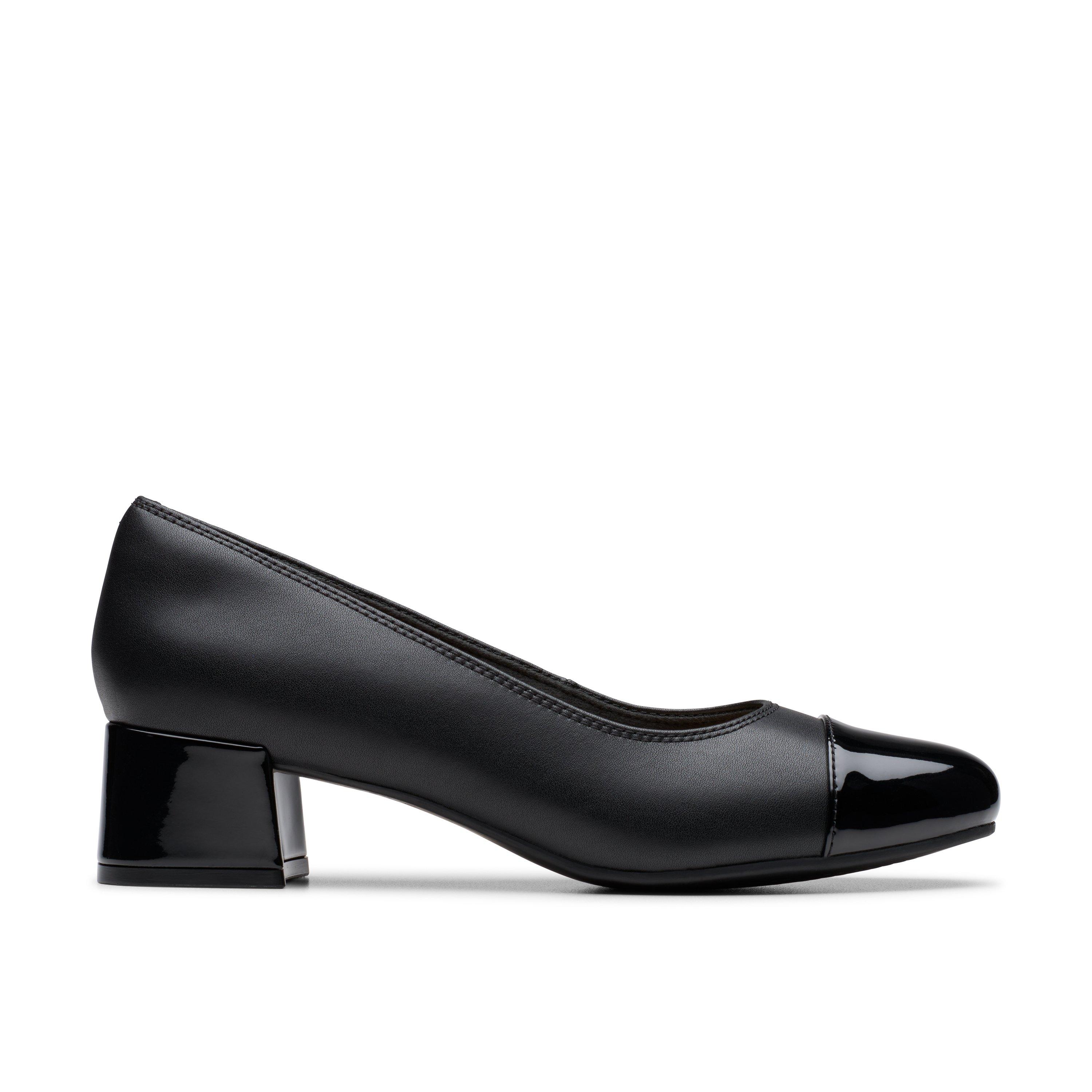
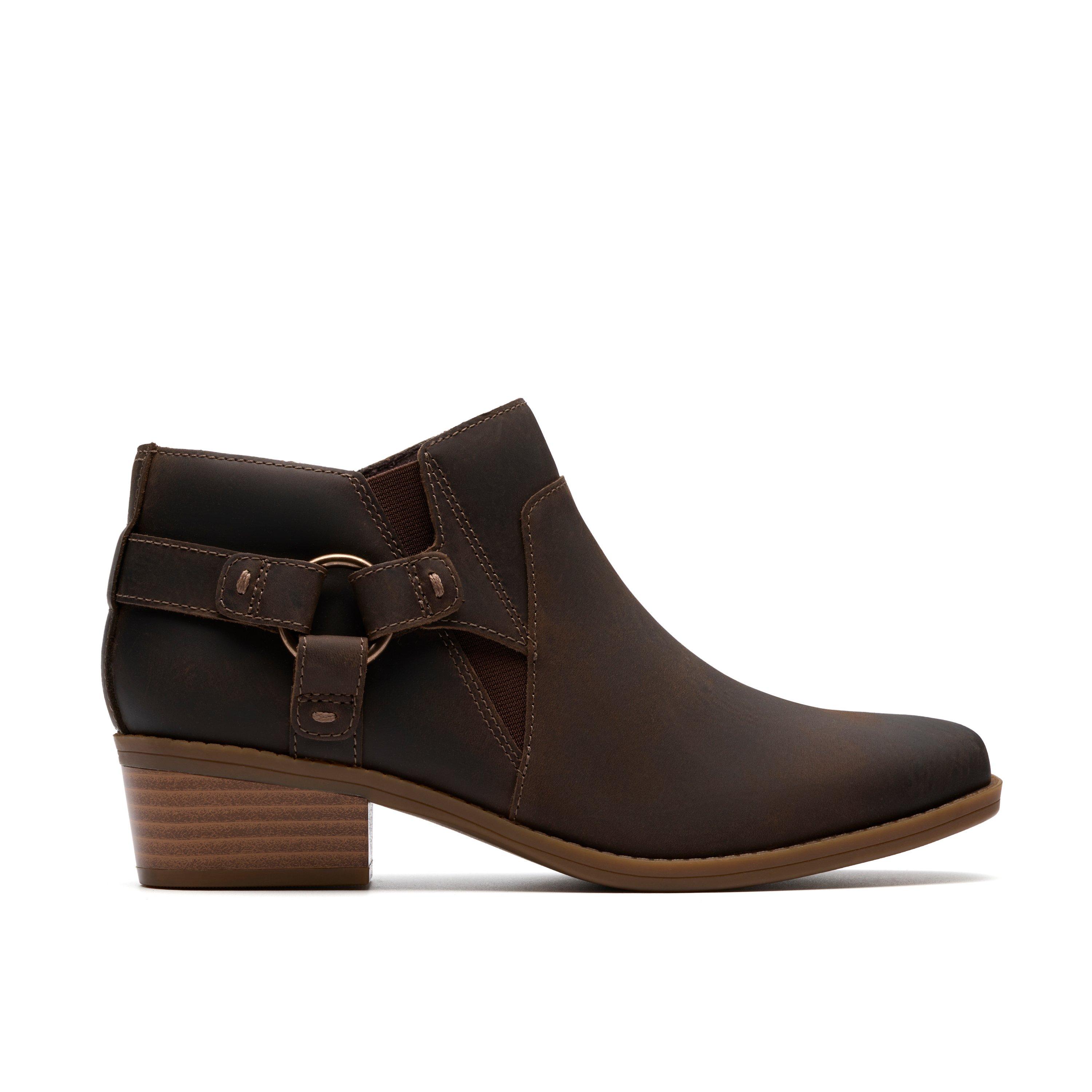
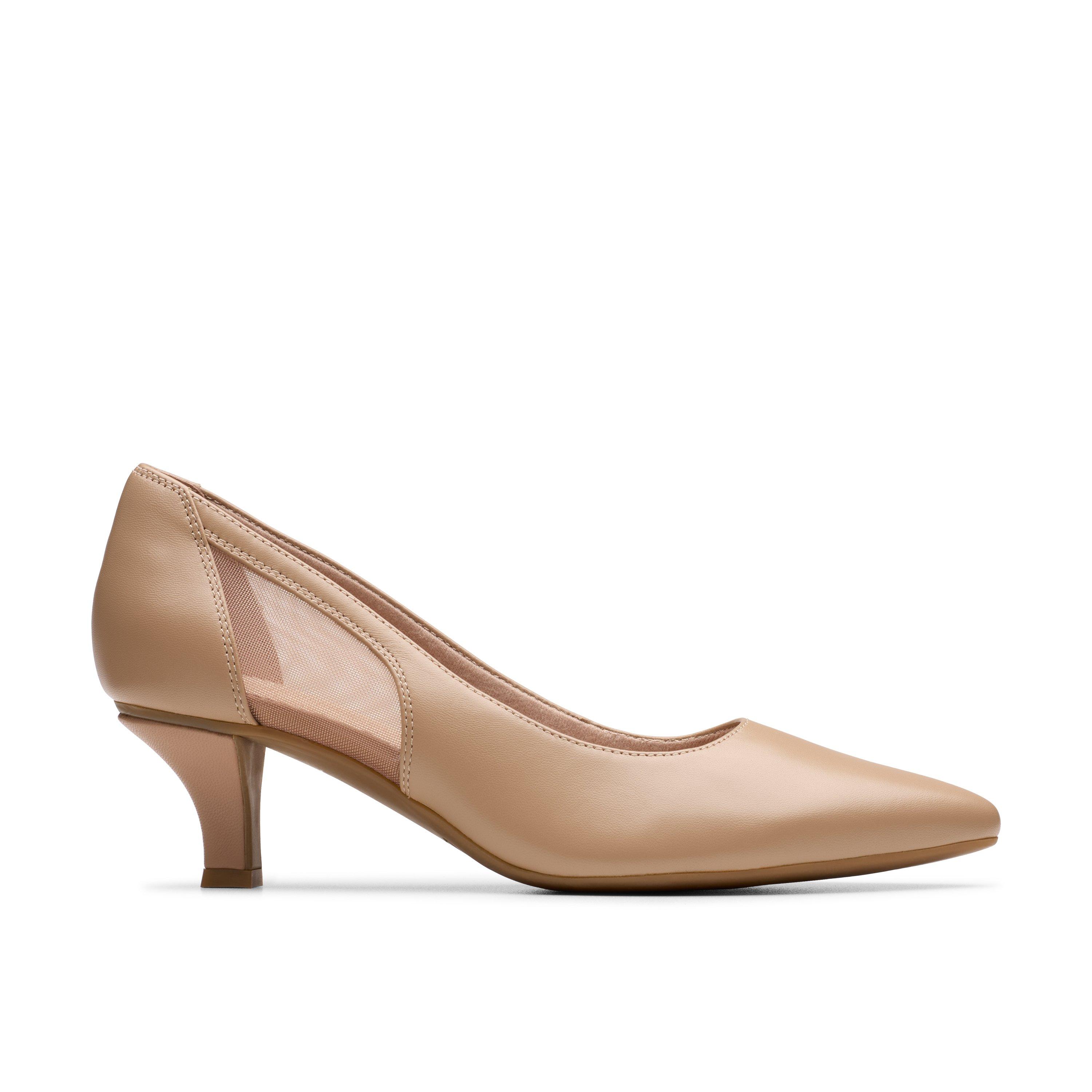
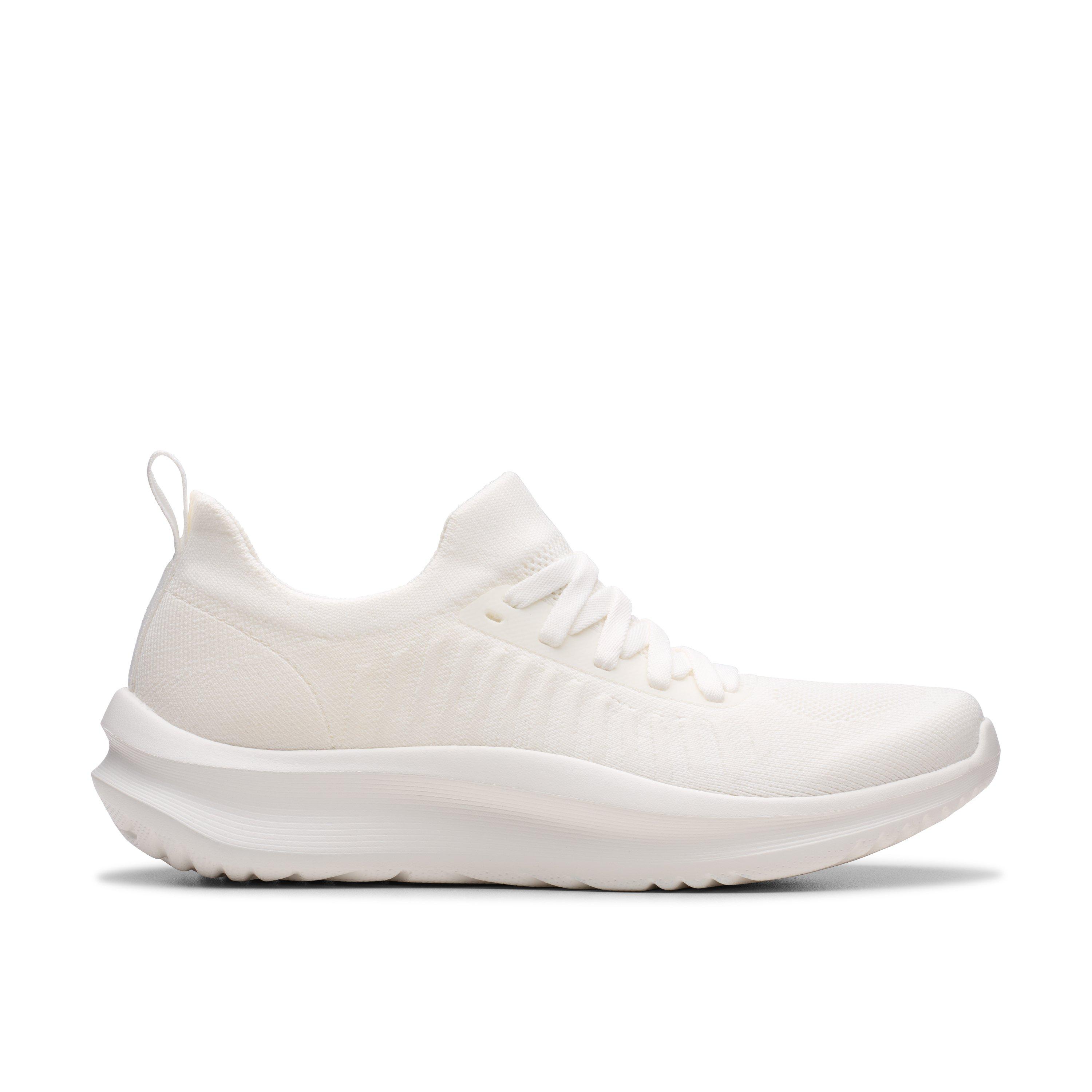
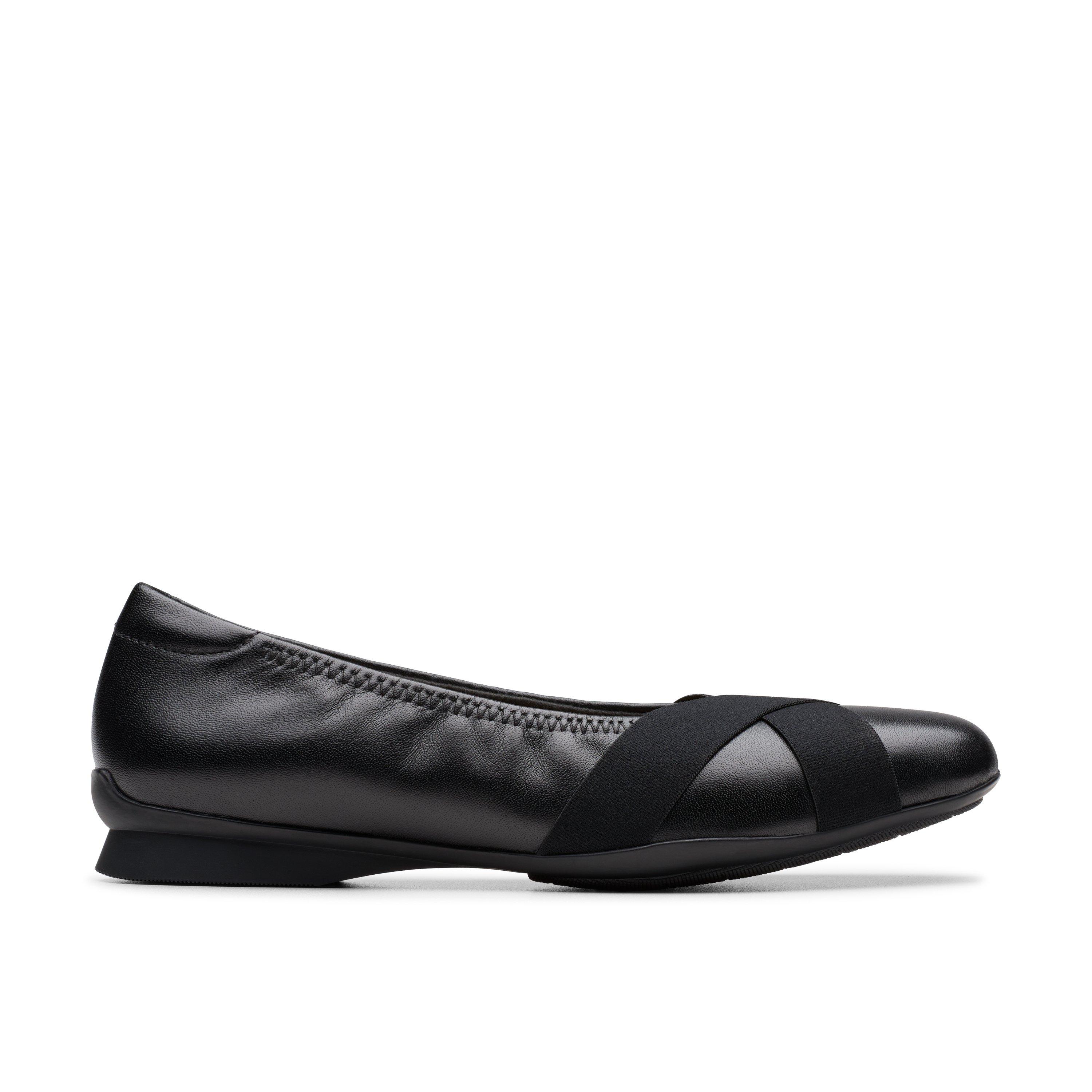
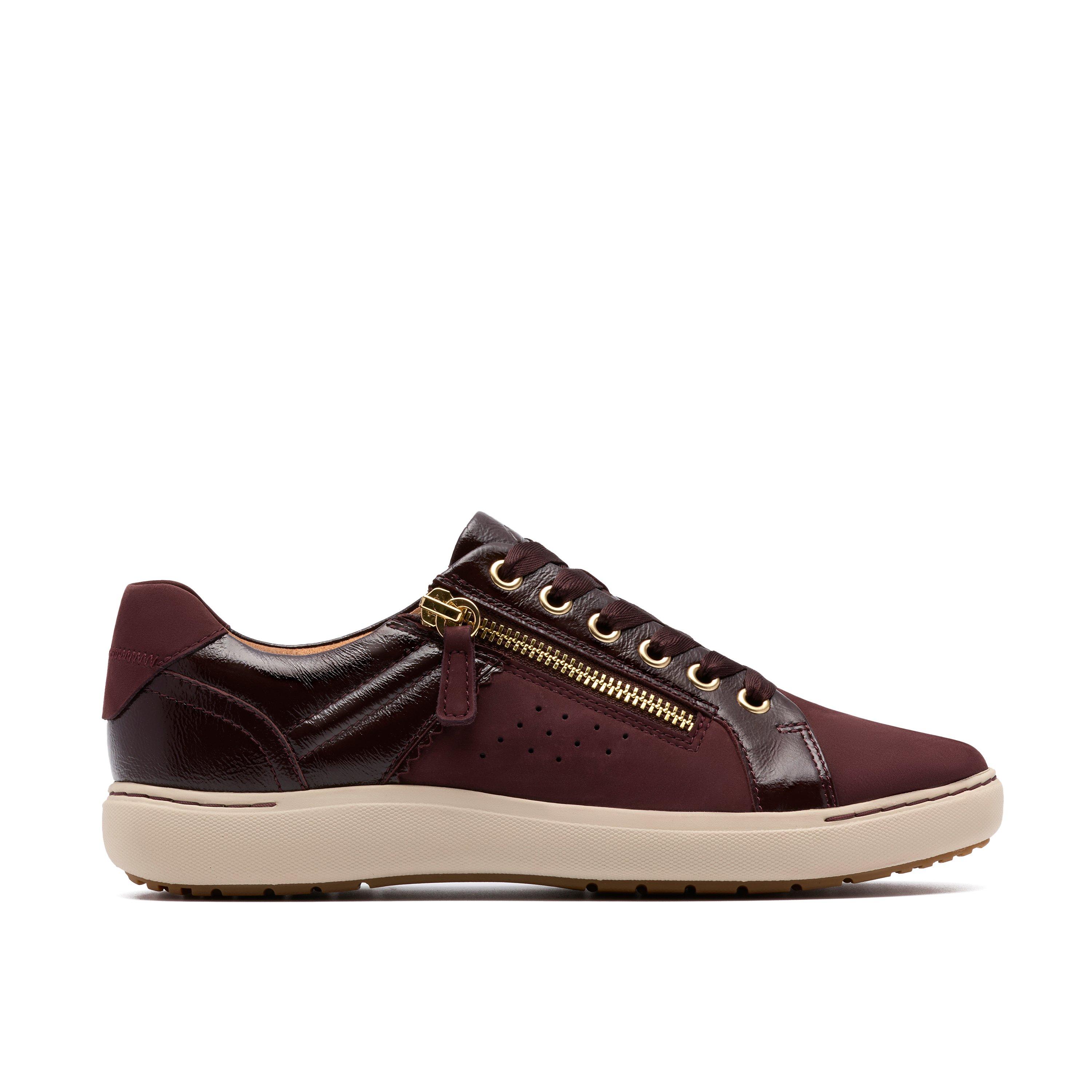
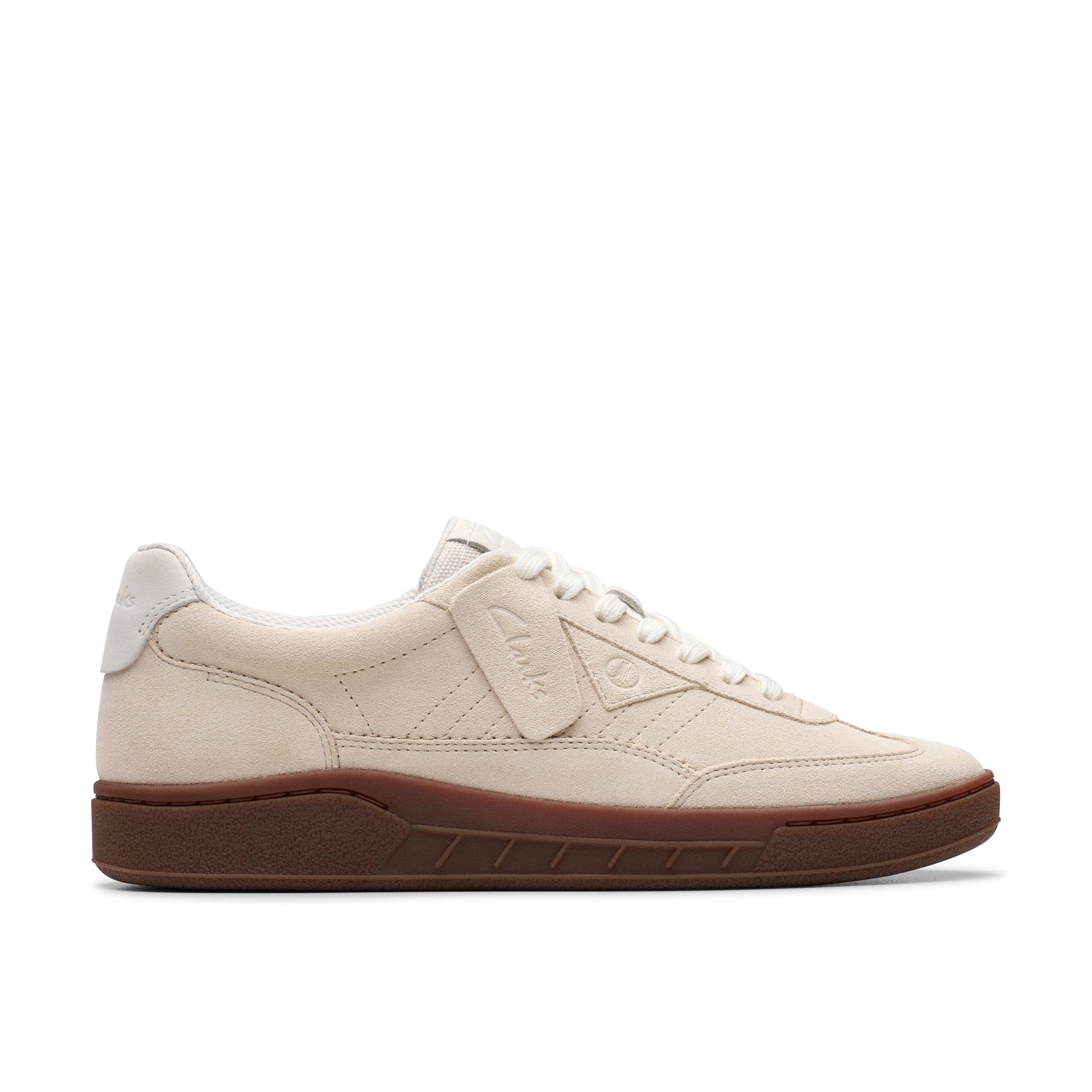
200 products from Clarks (US), sold by Clarks (US) (showing 60 of 200). Leif List may earn a commission when you buy through our partnership with Clarks (US) via Awin.
Leif's rating reflects an independent sustainability assessment of the brand — drawing on
disclosures, third-party certifications, and public information on its practices — not customer reviews.
Ratings are directional, not precise scores.
Read how we rate.
New to this? Learn how to spot greenwashing
and what each certification actually proves.